



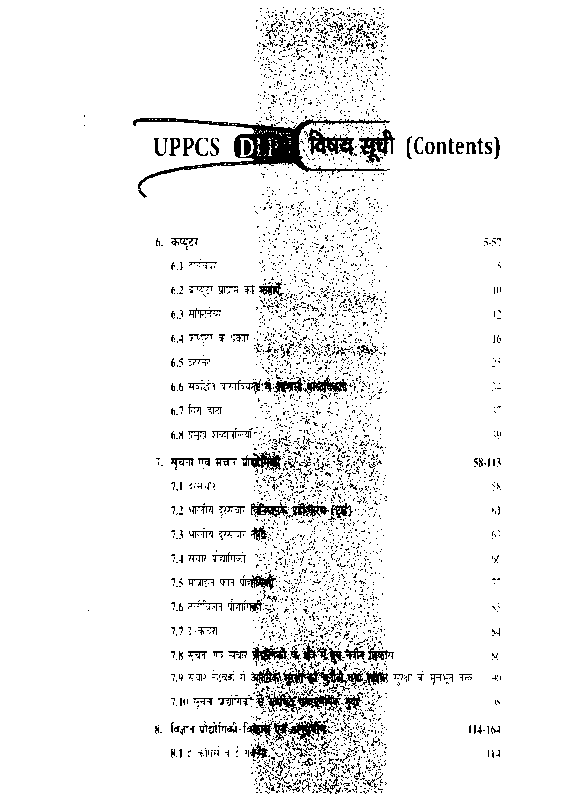
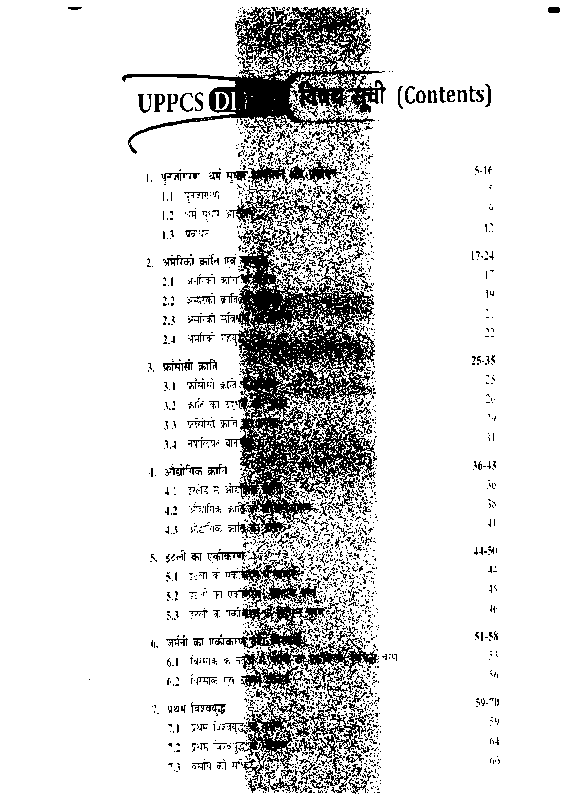
Drishti IAS UPPSC GS Notes 2025-26
About Drishti IAS UPPSC GS Notes
The Drishti IAS UPPSC GS Notes is a printed UPSC study material set sold by UPSC Store — India’s trusted source for genuine, latest-batch civil services preparation books. This page covers full booklet details, syllabus coverage, pricing, shipping, and frequently asked questions. Useful for UPSC CSE, BPSC, UPPSC, MPPSC, RAS and other state PSC examinations.
Drishti IAS UPPCS DLP GS Notes 2025-26 — 23 Hindi Medium Printed Booklets for UPSC and UPPSC GS Paper I II III IV
Related: Drishti IAS notes · UPPSC notes
Product Overview
| Feature | Details |
|---|---|
| Booklets Count | 23 Individual Printed Booklets — Complete GS Paper I, II, III, IV Coverage including UP Special |
| Language | Hindi Medium (हिंदी माध्यम) |
| Publisher | Drishti IAS (UPPCS DLP Series) |
| Edition | 2025-26 — Latest Genuine Batch |
| Condition | Brand New, Unmarked, Fresh Stock |
| Format | High-Quality Printed Booklets — Spiral or Book Binding |
| Paper Quality | 75 GSM Ultra-White — Highlighter Safe, Zero Bleed-Through |
| Shipping | Pan India Delivery in 4-7 business days — Tracked |
| Also Useful For | UPPSC PCS, BPSC, MPPSC, RAS and all State PSC Examinations |
Complete Booklet Catalog
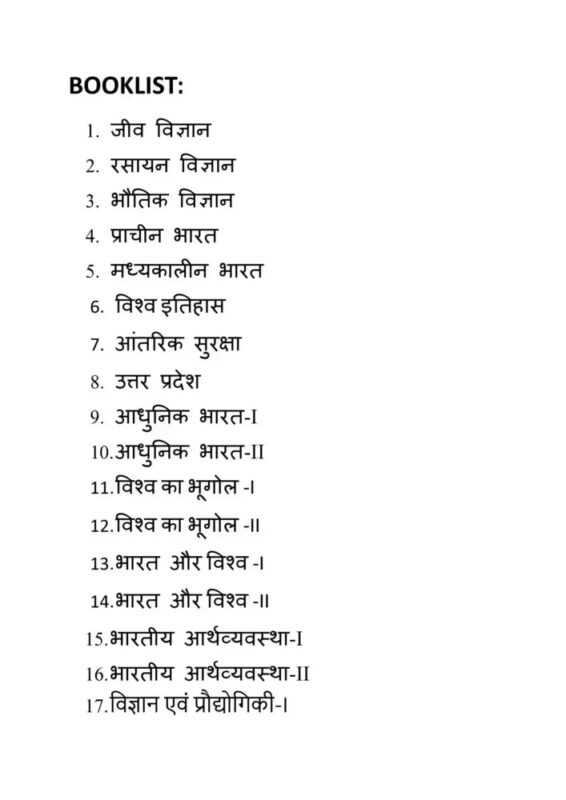
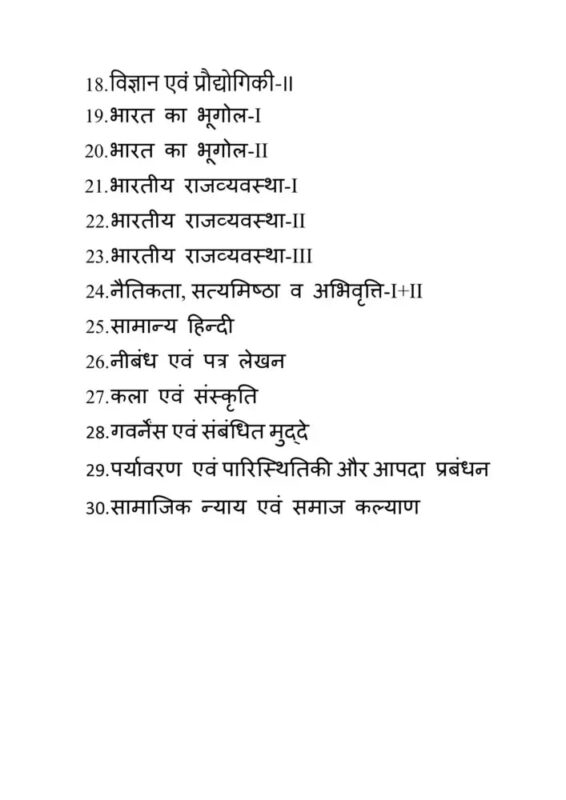
This 30-booklet set from Drishti IAS UPPCS DLP Series covers every segment of the UPPSC Mains syllabus — from Ancient History and Indian Polity to Ethics and Uttar Pradesh Special — entirely in naturally written Hindi medium. Designed for UPPSC PCS aspirants who prefer to think, read, and write in Hindi, this printed set is the most structured GS preparation material available for the 2025-26 exam cycle.
- Booklet 1: प्राचीन भारत (Ancient India) — Indus Valley Civilisation, Vedic Age, Mahajanapadas, Mauryan Empire, Post-Mauryan period, Gupta Empire, religious movements including Buddhism and Jainism, ancient trade routes, art and architecture, sources of ancient Indian history relevant to UPPSC GS Paper I and UPSC Prelims.
- Booklet 2: मध्यकालीन भारत (Medieval India) — Early medieval kingdoms, Delhi Sultanate, Vijayanagara Empire, Mughal administration, Bhakti and Sufi movements, provincial kingdoms, medieval trade, architecture of the medieval period, decline of Mughal Empire, and topics directly mapped to UPPSC and UPSC GS Paper I History syllabus.
- Booklet 3: आधुनिक भारत I (Modern India Part I) — British East India Company’s arrival, Battle of Plassey and Buxar, Regulating Act, Pitt’s India Act, early resistance movements, socio-religious reform movements of the 19th century, rise of Indian nationalism, formation of Indian National Congress, Partition of Bengal, Swadeshi Movement.
- Booklet 4: आधुनिक भारत II (Modern India Part II) — Non-Cooperation Movement, Civil Disobedience Movement, Round Table Conferences, Quit India Movement, INA, Cabinet Mission, Partition and Independence, integration of princely states, constitutional developments from 1909 to 1947, role of key national leaders for UPPSC and UPSC GS Paper I.
- Booklet 5: विश्व इतिहास (World History) — French Revolution, American Revolution, Industrial Revolution, World War I and II causes and consequences, Cold War, United Nations formation, decolonisation in Asia and Africa, Russian Revolution, Chinese Revolution, and their global impact as required by UPSC GS Paper I and UPPSC Mains syllabus.
- Booklet 6: भारत का भूगोल I (Geography of India Part I) — Physical geography of India — physiographic divisions, Himalayan ranges, Deccan Plateau, river systems, climate patterns, monsoon mechanism, natural vegetation, soils, biogeographic zones, drainage systems, and geographical factors affecting Indian agriculture — all mapped to UPSC and UPPSC GS Paper I Geography.
- Booklet 7: भारत का भूगोल II (Geography of India Part II) — Resources — mineral, energy, water; agricultural geography; industrial geography; transport and communication networks; population distribution and urbanisation; regional development; human geography of India; economic geography topics relevant to UPPSC PCS Mains GS Paper I and UPSC CSE Geography segment.
- Booklet 8: विश्व का भूगोल I (World Geography Part I) — Earth’s interior, plate tectonics, earthquakes and volcanoes, geomorphic processes, atmospheric circulation, ocean currents, climate zones and biomes, world drainage systems, landforms — all explained in Hindi medium with diagrams for UPPSC Mains and UPSC GS Paper I World Geography preparation.
- Booklet 9: विश्व का भूगोल II (World Geography Part II) — World resources, population geography, human development index, world trade and economic geography, regional geography of major continents, international organisations and geopolitical geography, mapping-based topics, and current affairs integration for UPPSC GS Paper I and UPSC Geography preparation.
- Booklet 10: भारतीय राजव्यवस्था I (Indian Polity Part I) — Making of the Indian Constitution, Preamble, Fundamental Rights, Directive Principles, Fundamental Duties, Union and its territory, citizenship, Parliament — structure and functioning, Legislative process, President, Vice President, Prime Minister and Council of Ministers for UPPSC and UPSC GS Paper II.
- Booklet 11: भारतीय राजव्यवस्था II (Indian Polity Part II) — Judiciary — Supreme Court, High Courts, judicial review, PIL; State executive and legislature; Governor, Chief Minister, State Legislature; Panchayati Raj Institutions, Urban Local Bodies, 73rd and 74th Amendments; Centre-State relations; emergency provisions — as per UPPSC and UPSC GS Paper II syllabus.
- Booklet 12: भारतीय राजव्यवस्था III (Indian Polity Part III) — Constitutional bodies — Election Commission, CAG, UPSC, Finance Commission; Statutory and non-statutory bodies — NHRC, CBI, CVC, Lokpal; federalism issues; political parties and anti-defection law; special provisions; recent constitutional amendments; governance issues relevant to UPPSC GS Paper II and UPSC CSE.
- Booklet 13: भारत और विश्व I (India and World Part I) — India’s foreign policy principles, India-USA relations, India-Russia relations, India-China relations, India-Pakistan relations, India-Japan partnership, India’s nuclear policy, Look East / Act East Policy, India in the UN, WTO, G20, BRICS — for UPPSC and UPSC GS Paper II International Relations.
- Booklet 14: भारत और विश्व II (India and World Part II) — India-EU relations, India-Africa engagement, India-West Asia policy, India’s role in SAARC and BIMSTEC, Indian Ocean Region strategy, border disputes, refugee and migration issues, international institutions — IMF, World Bank, WHO — India’s role and positions relevant to UPPSC GS Paper II.
- Booklet 15: भारतीय अर्थव्यवस्था I (Indian Economy Part I) — National income concepts, GDP measurement, economic planning in India, NITI Aayog, agriculture — issues and reforms, land reforms, Green Revolution, food security, PDS, MSP, agricultural credit, irrigation policy, rural development programmes — for UPPSC and UPSC GS Paper III Economy.
- Booklet 16: भारतीय अर्थव्यवस्था II (Indian Economy Part II) — Industrial policy, LPG reforms 1991, banking sector reforms, monetary policy and RBI, fiscal policy and Union Budget, inflation, unemployment, poverty measurement, social sector schemes, infrastructure development, PPP model, taxation system — GST, direct taxes — for UPPSC and UPSC GS Paper III.
- Booklet 17: विज्ञान एवं प्रौद्योगिकी I (Science and Technology Part I) — Basic concepts in Biology, Physics, Chemistry relevant to UPSC and UPPSC Prelims and Mains; space technology — ISRO missions; defence technology; nuclear technology; biotechnology basics; nanotechnology; IT and digital India initiatives; Science and Technology policy of Government of India.
- Booklet 18: विज्ञान एवं प्रौद्योगिकी II (Science and Technology Part II) — Emerging technologies — Artificial Intelligence, Machine Learning, Blockchain, Internet of Things; cybersecurity; IPR and patent issues; gene editing and CRISPR; vaccine technology; recent science current affairs; government schemes in science — all in Hindi medium for UPPSC GS Paper III and UPSC CSE.
- Booklet 19: पर्यावरण एवं पारिस्थितिकी और आपदा प्रबंधन (Environment, Ecology and Disaster Management) — Biodiversity, ecosystems, food chains, environmental laws in India, international environmental conventions — Paris Agreement, CITES, CBD; pollution types; climate change; sustainable development; NDMA framework; disaster types; relief and mitigation — for UPPSC GS Paper III and UPSC CSE Environment.
- Booklet 20: आंतरिक सुरक्षा (Internal Security) — Internal security challenges — left-wing extremism, insurgency in Northeast, J&K situation; terrorism; organised crime; cyber threats; border management; role of security agencies; UAPA; money laundering; role of media in security; linkages between development and internal security for UPPSC and UPSC GS Paper III.
- Booklet 21: गवर्नेंस एवं संबंधित मुद्दे और सामाजिक न्याय एवं समाज कल्याण (Governance, Social Justice and Welfare) — E-governance, RTI, citizen charters, accountability mechanisms; SC/ST/OBC welfare; women empowerment; child rights; disability rights; poverty alleviation programmes; health and education sector governance; social audit; welfare schemes of Central and UP Government for UPPSC GS Paper II.
- Booklet 22: उत्तर प्रदेश विशेष (Uttar Pradesh Special) — History and culture of UP; geography and rivers of UP; UP economy — MSME, agriculture, UP Industrial Policy; administrative structure of UP; UP budget and planning; Uttar Pradesh current affairs; important schemes of UP Government — a unique booklet exclusively mapped to UPPSC PCS Mains UP Special segment.
- Booklet 23: नैतिकता, सत्यनिष्ठा व अभिवृत्ति, सामान्य हिन्दी, निबंध एवं पत्र लेखन, कला एवं संस्कृति (Ethics, Hindi, Essay and Culture) — Ethics and integrity concepts, attitude, aptitude, emotional intelligence, case studies; Samanya Hindi grammar and comprehension; essay writing techniques; letter writing formats; Indian art forms; UP-specific cultural heritage; performing arts; tribal art — all for UPPSC GS Paper IV and language papers.
In-Depth Content Breakdown: Booklet by Booklet
Booklet 1: प्राचीन भारत (Ancient India)
This booklet covers Ancient Indian History from prehistoric cultures to the post-Gupta period — a high-weightage area in both UPSC GS Paper I and UPPSC Mains. Topics include the Indus Valley Civilisation, Vedic culture, rise of Buddhism and Jainism, Mauryan administration under Chandragupta and Ashoka, Gupta golden age, and post-Gupta regional kingdoms. Each section is written in fluent Hindi with timelines, key terms explained in Hindi, and UPPSC exam-pattern notes alongside primary facts.
What separates Drishti IAS’s Ancient India booklet from standard books is the UPPSC-aligned note structure: each topic ends with a quick-revision box listing probable UPPSC Mains and Prelims questions. Diagrams of temple architecture styles — Nagara, Vesara, Dravida — are printed with crisp labelling. The writing style is naturally composed in Hindi, not a translation from English, making conceptual absorption significantly faster for Hindi medium aspirants preparing for UPPSC and UPSC alike.
Booklet 2: मध्यकालीन भारत (Medieval India)
Medieval India is treated with the depth required for both UPPSC Mains and UPSC GS Paper I. The booklet opens with post-Gupta Rajput kingdoms, moves through the Delhi Sultanate’s five dynasties, covers the Vijayanagara Empire, Mughal administration — including revenue systems like Todar Mal’s Zabti — and then examines the Bhakti and Sufi movements with key saints listed for UPPSC Prelims. The Maratha rise and Mughal decline are covered with timeline-based summaries excellent for revision.
Special attention is given to medieval architecture — mosques, tombs, forts — with sketch diagrams and architectural feature tables. The Drishti IAS team has integrated UPPSC Mains previous year questions within the text margin, helping aspirants identify high-frequency topics. The Hindi language used is academic yet accessible, using standard examination Hindi vocabulary that directly helps aspirants write better answers in UPPSC Mains and UPSC CSE descriptive papers.
Booklet 3: आधुनिक भारत I (Modern India Part I)
Modern India Part I traces the British colonial period from the arrival of European trading companies through the emergence of organised nationalism. The Drishti IAS booklet gives particular attention to socio-religious reform movements — Brahmo Samaj, Arya Samaj, Ramakrishna Mission — which are asked frequently in UPPSC Mains GS Paper I. The 1857 Revolt is covered with causes, nature, regional centres, and significance in Hindi with UPPSC answer-writing hints embedded in the margin notes.
The booklet’s structure follows a chronological-thematic hybrid approach, making it easy to see how colonial policies led to nationalist consciousness. Economic impact of colonialism — drain of wealth, deindustrialisation, land revenue systems like Permanent Settlement and Ryotwari — is explained through Hindi-medium tables comparing their geographic spread and peasant impact. This is directly relevant to UPPSC GS Paper I and UPSC CSE History questions on colonial economy.
Booklet 4: आधुनिक भारत II (Modern India Part II)
Modern India Part II covers the national movement from the Gandhian era to Independence. Non-Cooperation, Civil Disobedience, and Quit India Movements are mapped with causes, events, suspension details, and outcomes — the kind of structured analysis UPPSC Mains answers demand. The constitutional evolution from Morley-Minto Reforms to the Independence Act 1947 is presented in a comparative table format, which is a distinctive feature of the Drishti IAS UPPCS DLP series particularly useful for UPSC and UPPSC preparation.
Partition narratives, integration of princely states under Sardar Patel, and early republic formation are covered in sufficient depth to answer UPPSC Mains 200-word questions. The role of regional leaders from Uttar Pradesh in the freedom struggle receives special attention — a smart inclusion by Drishti IAS given UPPSC’s emphasis on UP’s contribution to the national movement. This makes the booklet indispensable for serious UPPSC PCS aspirants.
Booklet 5: विश्व इतिहास (World History)
World History is a section where many Hindi medium UPPSC and UPSC aspirants struggle due to lack of quality Hindi material. Drishti IAS addresses this directly by covering the French Revolution, Industrial Revolution, American War of Independence, World Wars, Cold War, and decolonisation in well-structured Hindi-medium chapters with maps of key conflict zones. The Russian Revolution and Chinese Revolution are treated with sufficient analytical depth for UPSC GS Paper I answer writing.
The booklet includes a unique “India’s Role in World Events” integrative section that connects global history to Indian nationalist response — particularly useful for UPPSC aspirants who need to contextualise world history within the Indian freedom movement narrative. Cold War proxy conflicts, formation of the United Nations, and the Non-Aligned Movement are covered with India’s position prominently highlighted, reflecting the UPPSC-specific angle that Drishti IAS consistently maintains throughout this DLP series.
Booklet 6: भारत का भूगोल I (Geography of India Part I)
India’s physical geography forms the foundation of GS Paper I for both UPSC and UPPSC. This Drishti IAS booklet covers the physiographic divisions in detail — Himalayan ranges and sub-ranges, Northern Plains formation, Deccan Plateau structure, Western and Eastern Ghats, Coastal plains, and Island groups. River systems — Himalayan and Peninsular — are covered with tributaries, length, basin area, and state-wise flow details, which are directly asked in UPPSC Prelims.
Climate and monsoon mechanism receive an entire chapter — South-West and North-East monsoon tracks, El Niño and La Niña effects, climate regions of India as per Köppen classification adapted to Indian context. Natural vegetation zones — tropical evergreen, deciduous, thorny, mangroves — are mapped against rainfall and temperature parameters. The booklet uses colour-coded diagrams of India’s climate and drainage maps printed on 75 GSM paper, maintaining clarity and enabling effective highlighter-based colour coding during revision.
Booklet 7: भारत का भूगोल II (Geography of India Part II)
India Geography Part II shifts to economic and human geography aspects directly asked in UPPSC GS Paper I and UPSC. Topics include agriculture — types of farming, crops and their growing conditions, irrigation systems, Green Revolution geography; mineral resources — iron ore, coal, petroleum distribution; energy geography including renewable energy project locations; industries — traditional and modern — with geographic clustering analysis. Each topic is linked to current government schemes like PM Gati Shakti and National Logistics Policy.
Population geography — distribution, density, growth rate, literacy, sex ratio — is covered with data tables from the latest census available, aligned with UPPSC Mains data-based questions. Urban geography, smart cities, and urbanisation challenges in UP are given a dedicated section, reflecting the UPPSC-specific additions Drishti IAS builds into this DLP series. Transport networks — NH, railways, waterways, airports — are covered with maps indicating major hubs, useful for both UPPSC Mains answer enrichment and UPSC CSE Map-based questions.
Booklet 8: विश्व का भूगोल I (World Geography Part I)
World Geography Part I focuses on physical geography concepts — Earth’s internal structure, plate tectonics and consequences, types of rocks, geomorphic processes, ocean floor features, atmospheric layers, pressure belts, wind systems, and ocean currents. These are foundational concepts tested regularly in UPPSC Prelims and occasionally in UPSC GS Paper I. Drishti IAS explains tectonic processes in Hindi using analogies drawn from familiar Indian landform examples, making abstract geography concepts tangible for Hindi medium aspirants.
The booklet includes well-labelled world maps showing tectonic plates, earthquake zones, major ocean currents, and biome distributions — all printed in high-resolution laser print on 75 GSM ultra-white paper that ensures map clarity. Climate geography — world climate zones, ITCZ, monsoon systems globally, and their impact on human settlements — is covered with UPPSC Mains answer-writing tips. The chapter on World Drainage Systems cross-references Indian rivers, helping aspirants build comparative geographic knowledge useful across UPPSC and UPSC exams.
Booklet 9: विश्व का भूगोल II (World Geography Part II)
World Geography Part II deals with human and economic geography of the world — a moderately asked section in UPPSC and UPSC GS Paper I. Resources — world distribution of coal, petroleum, natural gas, minerals, and agricultural zones — are covered with map-based summaries. World trade routes, major ports, and international trade patterns are explained with India’s trade geography integrated, making the content doubly useful for UPPSC GS Paper II International Relations preparation as well.
Regional geography of major continents — Africa, Europe, Americas, Australia, Asia — is condensed into key facts relevant to UPPSC Prelims and UPSC GS Paper I. Major international organisations — their headquarters, member countries, and India’s role — are listed in tabular format at the end of the booklet, serving as a rapid-revision resource in the final weeks before the UPPSC Mains examination. The naturally written Hindi prose in this booklet avoids the stilted translation-Hindi common in other publishers.
Booklet 10: भारतीय राजव्यवस्था I (Indian Polity Part I)
Indian Polity is one of the highest-scoring sections of UPPSC GS Paper II and UPSC GS Paper II. Part I of this three-booklet series covers Constitutional Foundations — Constituent Assembly debates, Preamble analysis, Fundamental Rights with Supreme Court landmark cases, DPSP classification and justiciability, Fundamental Duties under Article 51A. Parliament — Lok Sabha, Rajya Sabha, their composition, powers, and inter-relationship — is covered with constitutional articles cited throughout, which is the standard Drishti IAS approach across its UPSC and UPPSC materials.
The President’s powers — executive, legislative, financial, judicial, military, and emergency — are laid out in a structured comparison table with the Prime Minister’s de facto powers, a frequently asked UPPSC Mains analytical question. The Council of Ministers, Cabinet committees, and the constitutional position of the Prime Minister are explained clearly in Hindi. Constitutional amendments — procedure under Articles 368 and landmark amendments — receive a dedicated section with a complete list table at the booklet’s end for quick UPPSC Prelims revision.
Booklet 11: भारतीय राजव्यवस्था II (Indian Polity Part II)
Polity Part II covers India’s judicial system and State Government structure — areas with high UPPSC Mains question frequency. Supreme Court — jurisdiction types, original, appellate, advisory; judicial review and judicial activism; PIL and its evolution in India; appointment of judges and collegium controversy — are analysed in depth with Drishti IAS’s characteristic UPPSC Mains answer-framework approach. High Courts, subordinate courts, and tribunals are covered with constitutional provisions and recent reforms.
State Government structure — Governor’s constitutional and discretionary powers, Chief Minister and Council of Ministers, State Legislature bicameralism and unicameralism — is given special attention given UPPSC’s focus on UP-specific governance. Panchayati Raj Institutions under 73rd Amendment and Urban Local Bodies under 74th Amendment are explained with UP Panchayati Raj Act references — a UPPSC-specific addition that distinguishes this Drishti IAS UPPCS DLP booklet from generic UPSC polity notes.
Booklet 12: भारतीय राजव्यवस्था III (Indian Polity Part III)
The third Polity booklet covers Constitutional and statutory bodies, a very productive section for both UPPSC Prelims multiple-choice and Mains analytical answers. Election Commission — composition, powers, Model Code of Conduct, recent electoral reforms; CAG — role, audit types, constitutional basis; UPSC — functions, independence provisions — each body is covered with establishment basis, composition, and powers in a standardised format. Finance Commission, National Commission for SC/ST, Minorities Commission are also included.
Statutory regulatory bodies — SEBI, TRAI, CCI, IRDAI — are covered with their mandate and recent decisions. Lokpal and Lokayukta, CVC, and CBI receive focused coverage given their relevance to governance questions in UPPSC GS Paper II and UPSC GS Paper II. Anti-defection law under the Tenth Schedule, coalition dynamics, and electoral system reforms are explained with current examples. The booklet closes with a master table of all Constitutional bodies with Articles — a revision sheet aspirants can detach and keep at their study desk.
Booklet 13: भारत और विश्व I (India and World Part I)
India’s foreign policy is an important GS Paper II topic for both UPPSC Mains and UPSC CSE. This booklet starts with India’s foreign policy fundamentals — Panchsheel, Non-Alignment, strategic autonomy — and then covers bilateral relationships: India-USA (defence deals, technology partnership, QUAD), India-Russia (traditional strategic ties, recent developments), India-China (border disputes, economic interdependence, LAC situation), India-Pakistan (historical context, current state, terrorism issue). Each bilateral chapter includes a “recent developments” section updated for 2025-26.
India’s multilateral engagements — SAARC, BIMSTEC, SCO, G20, BRICS, QUAD — are covered with India’s role, achievements, and challenges in each grouping. India’s nuclear doctrine, Missile Technology Control Regime (MTCR), and Nuclear Suppliers Group (NSG) membership bid are explained clearly in Hindi. India’s UN role — Security Council reform demand, peacekeeping contributions, important UN bodies India participates in — rounds off this booklet, directly addressing UPPSC and UPSC GS Paper II international organisations segment.
Booklet 14: भारत और विश्व II (India and World Part II)
India and World Part II deepens coverage of India’s regional and global diplomacy. India-EU strategic partnership, India-Africa Forum Summit outcomes, India-Gulf relations, and India’s West Asia policy including Israel-Palestine context are covered with India’s stated positions. Indian Ocean Region strategy — SAGAR doctrine, IORA, Maritime Silk Road concerns — receives a dedicated chapter, which is a high-value UPPSC Mains and UPSC GS Paper II topic given India’s Blue Economy push.
Border disputes — India-China Line of Actual Control, India-Pakistan Line of Control, India-Nepal and India-Bangladesh boundary issues — are mapped and explained with recent diplomatic developments. Refugee issues — Rohingya, Afghan refugees — and India’s non-signatory status to the 1951 Refugee Convention are analysed. International economic institutions — IMF, World Bank, WTO — India’s role, voting rights, and recent positions are covered in tabular format suitable for UPPSC GS Paper II answer writing and UPSC CSE quick revision.
Booklet 15: भारतीय अर्थव्यवस्था I (Indian Economy Part I)
Indian Economy is among the highest-weighted sections of UPPSC GS Paper III and UPSC GS Paper III. This booklet covers economic fundamentals — national income, GDP, GNP, NNP calculation methods, base year revision — and planning history from Five Year Plans to NITI Aayog’s current role. Agricultural economy receives the most detailed treatment: land reforms post-Independence, Green Revolution and second Green Revolution, food security architecture — FCI, PDS, NFSA — MSP mechanism, and agricultural credit infrastructure including NABARD’s role.
Rural development programmes — MGNREGS, PMAY-G, PM Kisan, Pradhan Mantri Fasal Bima Yojana — are explained with budget allocation, coverage, and recent performance data, making this booklet a dual-purpose resource for UPPSC GS Paper III Economy and current affairs integration. Water resource management — river interlinking, major irrigation projects, Pradhan Mantri Krishi Sinchayee Yojana — is covered with UP-specific projects highlighted, another UPPSC-specific feature embedded by Drishti IAS throughout this DLP series.
Booklet 16: भारतीय अर्थव्यवस्था II (Indian Economy Part II)
Economy Part II covers liberalisation, macroeconomic policy, and development challenges. The 1991 LPG reforms — liberalisation, privatisation, globalisation — their causes, IMF conditionalities, and structural effects on Indian industry are explained with economic data. Banking sector evolution — nationalisation history, post-reform private banks, NPA crisis, IBC 2016 — is a heavily tested UPPSC and UPSC topic covered in this booklet with RBI’s regulatory role clearly outlined. Monetary policy tools — repo rate, reverse repo, CRR, SLR — are explained in a Hindi-medium table format.
Fiscal policy — Union Budget structure, fiscal deficit, revenue deficit, primary deficit — is explained with FRBM Act context and recent budget data. GST architecture — CGST, SGST, IGST, GST Council — is covered with revenue implications for states including Uttar Pradesh. Poverty measurement — Tendulkar Committee, Rangarajan Committee, Multidimensional Poverty Index — and social sector flagship schemes — Ayushman Bharat, PM Mudra Yojana, Skill India — are covered with performance metrics relevant to UPPSC GS Paper III and UPSC GS Paper III analytical questions.
Booklet 17: विज्ञान एवं प्रौद्योगिकी I (Science and Technology Part I)
Science and Technology is a scoring section in UPPSC Prelims and appears in GS Paper III Mains as well. This booklet covers fundamental science concepts in Biology — cell biology, genetics basics, human physiology relevant to health policy — Chemistry — periodic table, chemical reactions, everyday chemistry — and Physics — laws of motion, thermodynamics basics, electricity — at the level required for UPSC and UPPSC Prelims, explained in clear Hindi without assuming engineering-level background knowledge.
Space technology receives dedicated coverage — ISRO’s history, major satellite series (INSAT, IRS, NavIC), recent missions (Chandrayaan-3, Aditya-L1, Gaganyaan status), and commercial space policy developments. Defence technology — BrahMos, Agni missile series, DRDO projects, Make in India in defence — is covered with current development status. Nuclear technology — fission and fusion basics, India’s three-stage nuclear programme, nuclear power plants in India — is explained in Hindi medium at UPSC and UPPSC answer-writing depth with frequently asked question patterns indicated.
Booklet 18: विज्ञान एवं प्रौद्योगिकी II (Science and Technology Part II)
Technology Part II focuses on emerging and digital technologies increasingly asked in UPPSC GS Paper III and UPSC GS Paper III. Artificial Intelligence — definition, types, applications in governance, ethical concerns — is explained in accessible Hindi. Blockchain technology, its applications beyond cryptocurrency in land records, supply chain, and governance — directly relevant to Digital India — is covered. Internet of Things applications in smart cities, agriculture, and healthcare are explained with Indian government initiative examples.
Biotechnology gets dedicated coverage — recombinant DNA technology, GM crops debate, CRISPR gene editing and its ethical implications, vaccine platforms including mRNA technology post-COVID context. Cybersecurity — types of cyber attacks, India’s cyber policy, CERT-In, IT Act provisions — is covered for UPPSC GS Paper III and UPSC GS Paper III. Intellectual Property Rights — patents, copyrights, trademarks, GI tags — with India’s IPR policy and WIPO membership are explained. The booklet closes with a current science affairs summary relevant to 2025-26 UPPSC and UPSC examinations.
Booklet 19: पर्यावरण एवं पारिस्थितिकी और आपदा प्रबंधन (Environment, Ecology and Disaster Management)
Environment is one of the most dynamic and high-scoring sections of UPPSC GS Paper III and UPSC GS Paper III. This Drishti IAS booklet starts with ecosystem structure and functions, food chains, nutrient cycles, biodiversity — types, hotspots, threats, conservation methods in situ and ex situ — and then covers environmental laws: Environment Protection Act 1986, Wildlife Protection Act 1972, Forest Conservation Act, and their amendments. International conventions — Paris Agreement, CBD, Ramsar, CITES, Basel — are covered with India’s commitments and performance.
Climate change — greenhouse effect, IPCC reports, India’s NDC targets, National Action Plan on Climate Change with eight missions — is covered in analytical depth suitable for UPPSC Mains 150-word answers. Pollution — air, water, soil, noise, electronic waste — with government schemes and standards is included. Disaster Management occupies the second half — disaster types, NDMA structure, SDRF/NDRF, Sendai Framework 2015-30, disaster management in UP context — making this booklet uniquely valuable for UPPSC aspirants who must answer UP-specific disaster management questions in GS Paper III.
Booklet 20: आंतरिक सुरक्षा (Internal Security)
Internal Security is a dedicated section of UPSC GS Paper III and appears in UPPSC GS Paper III as well. This Drishti IAS booklet covers the full security landscape — left-wing extremism (geographical spread, causes, government response under SAMADHAN strategy), insurgency in Northeast India (historical background, peace accords, current situation), and Jammu and Kashmir (special status removal, current governance, security situation). Each topic is presented with the policy response mapped clearly alongside the problem.
Terrorism — domestic and cross-border, funding mechanisms, radicalisation, counter-terrorism laws including UAPA, NIA Act — receives thorough coverage. Cyber security threats to national infrastructure, organised crime and its nexus with terrorism, smuggling and trafficking are covered for UPPSC and UPSC answer writing. Border management — land borders, coastal security post-2008, sea border management — is explained with agencies and their jurisdictions. The role of Central Armed Police Forces and Intelligence agencies is covered at the level of conceptual clarity needed for UPPSC GS Paper III.
Booklet 21: गवर्नेंस एवं संबंधित मुद्दे और सामाजिक न्याय एवं समाज कल्याण (Governance, Social Justice and Welfare)
Governance topics form a major portion of UPPSC GS Paper II and UPSC GS Paper II. This booklet covers e-governance — Digital India programme, Common Service Centres, UMANG app, DigiLocker, e-procurement — with implementation status and challenges in Hindi medium. RTI Act — scope, exemptions, Chief Information Commissioner, recent Supreme Court judgements — is covered in detail as it is a perennial UPPSC and UPSC question topic. Citizen charters, social audit, gram sabha empowerment, and performance management in government are also included.
Social Justice topics — scheduled caste and tribe welfare, OBC reservation framework, women empowerment schemes (Beti Bachao Beti Padhao, Mahila Shakti Kendra, POSHAN Abhiyan), child rights (POCSO Act, NCPCR), disability rights (RPwD Act 2016) — are covered with both the constitutional provisions and the flagship government schemes. Healthcare governance — Ayushman Bharat architecture, National Health Policy 2017, mental health policy — and education governance — NEP 2020 key features, RTE Act — round off this booklet, providing UPPSC GS Paper II social sector content in a single location.
Booklet 22: उत्तर प्रदेश विशेष (Uttar Pradesh Special)
This is the most distinctive booklet in the Drishti IAS UPPCS DLP 2025-26 set — a dedicated Uttar Pradesh Special booklet that no generic UPSC notes set provides. UP’s history — ancient, medieval, and modern with special reference to UP’s role in the freedom movement — is covered first. UP’s geography — major rivers (Ganga, Yamuna, Ghaghra, Gomti), natural regions, climate, soils, and forest cover — is covered with UP-specific data. UP economy — agricultural economy, MSME sector, one district one product (ODOP) scheme, UP’s industrial corridors — is analysed with recent data.
UP Government’s administrative structure — Divisional Commissioners, District Magistrates, Panchayati Raj in UP — and major state government schemes (Mukhyamantri Kisan and Sarvahit Bima Yojana, UP Free Laptop Yojana, Kanya Sumangala Yojana, UP Nivesh Mitra portal) are covered in detail — these are direct UPPSC Mains GS Paper IV and General Studies questions. UP’s cultural heritage — Braj, Awadh, Bundelkhand, Varanasi — folk music, dance forms, handicrafts, and significant fairs and festivals of UP are covered, making this booklet essential for every serious UPPSC PCS aspirant.
Booklet 23: नैतिकता, सत्यनिष्ठा व अभिवृत्ति, सामान्य हिन्दी, निबंध एवं पत्र लेखन, कला एवं संस्कृति (Ethics, Hindi, Essay and Culture)
This multi-subject booklet addresses several UPPSC-specific papers in one volume. Ethics and Integrity (UPPSC GS Paper IV) — attitude, aptitude, emotional intelligence, moral thinkers, Gandhian ethics, ethical case study approach, public service values, integrity in governance — is covered at sufficient depth for UPPSC GS Paper IV analytical answers. The Drishti IAS approach to ethics is concept-first followed by case study application — a proven method for Hindi medium aspirants appearing in UPPSC and UPSC examinations.
Samanya Hindi — grammar rules, sandhi, samas, vakya shuddhi, paryayvachi, vilom, muhavare — is covered at the level required for UPPSC Samanya Hindi paper. Essay writing — structure, introduction techniques, body paragraph development, conclusion types — with sample essay outlines on contemporary topics is included. Letter writing formats — official, semi-official, complaint, application — are covered with model examples in proper Hindi. Indian art and culture — classical dance forms, music traditions, painting schools, theatre traditions, and UP’s specific cultural identity — rounds off this booklet as the final resource in this 30-booklet UPPSC set.
Physical Construction and Quality Standards
Every booklet in the Drishti IAS UPPCS DLP 2025-26 Hindi medium set is manufactured to standards that support the intensive, multi-session study habits of serious UPPSC and UPSC aspirants — built to survive daily use across an 8-12 month preparation cycle without deterioration in print quality or binding integrity.
Paper Quality: 75 GSM Anti-Glare White Paper
The 75 GSM ultra-white paper used in these booklets is selected specifically for its high opacity — text and diagrams printed on one side do not bleed through to the reverse, allowing aspirants to freely annotate both sides. Multiple highlighter colours — yellow, green, orange, pink — and gel pens work without smearing or feathering. The anti-glare surface reduces eye strain during extended reading sessions of 4-6 hours, which is standard for UPPSC and UPSC aspirants during peak preparation months. The paper weight ensures pages lie flat without curling even in humid conditions common during UP’s summer preparation season.
Printing Technology: High-Resolution Laser Printing
All 30 Booklets are laser-printed at high resolution, ensuring that small-font Hindi Devanagari script — including conjunct consonants (संयुक्ताक्षर) — is rendered with sharp, consistent ink density across every page. Maps, diagrams, flowcharts, and comparison tables retain full clarity without the blurring seen in low-resolution inkjet copies circulated as photostat material. Toner-based laser printing is permanent — pages do not fade even after months of regular handling. Smudge-proof printing ensures notes taken alongside printed text remain readable. This print quality is essential for geography maps and polity diagrams used extensively in UPPSC and UPSC answer enrichment practice.
Binding and Durability
Each booklet is bound with either spiral binding or book binding depending on subject volume, both options tested for UPPSC aspirant use patterns. Spiral-bound booklets open completely flat — allowing aspirants to write notes in the wide margin alongside printed content without the book closing or resisting. Book-bound volumes have reinforced spine gluing that resists repeated opening across the same chapters during revision cycles. All covers are 300 GSM laminated card stock — resistant to moisture, desk wear, and repeated stacking. The durable construction ensures these 30 Booklets remain usable through Prelims, Mains, and potentially a second preparation year.
Key Features and Study Design
Drishti IAS UPPCS DLP notes are uniquely designed for Hindi medium aspirants targeting UPPSC PCS — combining UPPSC-specific syllabus mapping with the deeper analytical coverage required for UPSC CSE, making them the most efficient dual-purpose GS study resource available in printed Hindi medium format.
- Naturally Written Hindi — Not Translated: All 30 Booklets are originally authored in Hindi by Drishti IAS faculty, unlike competitors who translate English content. This ensures the Hindi used matches examination Hindi, directly improving UPPSC Mains answer quality for Hindi medium aspirants without requiring mental translation.
- UPPSC PCS Syllabus Precision: Every chapter maps explicitly to UPPSC PCS Mains syllabus sections — UP Special content, UP Government schemes, UP-specific geography and culture — alongside the standard UPSC content, ensuring aspirants are not studying irrelevant material or missing UPPSC-specific topics.
- Previous Year Question Integration: UPPSC Mains and Prelims previous year questions are embedded within each chapter at the relevant topic point — not collected at the back — training aspirants to recognise question patterns in context and understand exactly which level of detail UPPSC examiners expect in answers.
- Structured Answer Frameworks: Each major topic includes a “उत्तर लिखने की विधि” (answer writing guide) box showing the ideal structure for a 100-150 word UPPSC Mains answer — introduction, body points, conclusion — particularly useful for Hindi medium first-generation aspirants unfamiliar with structured answer writing conventions.
- Revision-Ready Tables and Boxes: Quick-revision summary tables, key facts boxes, and comparison charts are integrated throughout all 30 Booklets, allowing aspirants to complete a full subject revision in 25-30% of the original study time during the final weeks before UPPSC Mains — a critical advantage in the exam’s demanding preparation timeline.
Shipping, Packaging and Delivery
All 30 Booklets in the Drishti IAS UPPCS DLP 2025-26 Hindi medium set are shipped as a complete matched batch — never substituted with older editions or incomplete sets. Before dispatch, each booklet is individually shrink-wrapped to protect against moisture and dust. The complete set is then packed in a double-walled corrugated cardboard box with foam edge protectors at all four corners. The box exterior is sealed with tamper-evident tape and labelled with your complete delivery address. This transit-safe packaging ensures all 30 Booklets arrive in the same pristine, unmarked, brand-new condition they leave our Mukherjee Nagar storage facility.
Delivery across India takes 4-7 business days from the date of order confirmation via our tracked courier network. You receive a tracking ID within 24 hours of dispatch — monitor your shipment in real time. For any queries — order status, booklet replacement, or bulk institutional orders — WhatsApp our team at +91 70045 49563. Any booklet found damaged or missing on delivery is replaced within 48 hours of your WhatsApp report at zero additional cost. We ship to all PIN codes across India, from metro cities to remote districts, so every UPPSC aspirant can buy these printed notes online without location limitations.
Frequently Asked Questions (FAQ)
A: Drishti IAS UPPCS DLP notes cover the complete UPPSC PCS Mains syllabus across all four GS papers plus UP Special — they are widely regarded among Hindi medium aspirants as a near-complete preparation resource. Most toppers supplement these 30 Booklets with current affairs updates and previous year question practice, but for core syllabus coverage, this printed set is sufficient as your primary GS resource for UPPSC preparation.
A: This Drishti IAS UPPCS DLP 2025-26 set contains exactly 23 individual printed booklets covering all GS subjects — Ancient India, Medieval India, Modern India (I & II), World History, Indian and World Geography (each in two parts), Indian Polity (three parts), Indian Economy (two parts), Science and Technology (two parts), Environment and Disaster Management, Internal Security, Governance, Uttar Pradesh Special, and the Ethics-Hindi-Essay-Culture combined booklet.
A: The current price of the complete 30-booklet Drishti IAS UPPCS DLP 2025-26 Hindi medium set is listed on this product page and reflects the latest batch pricing inclusive of all 30 Booklets, packaging, and pan India tracked delivery. The price represents significant savings compared to buying individual DLP booklets directly. For institutional or bulk orders, contact us on WhatsApp at +91 70045 49563 for special pricing.
A: Yes — the entire 30-booklet set is exclusively in Hindi medium (हिंदी माध्यम). Drishti IAS is particularly respected among Hindi medium aspirants because its content is originally authored in Hindi by subject experts, not translated from English. This means the Devanagari text reads naturally and uses examination-standard Hindi vocabulary that directly improves UPPSC Mains answer writing quality for aspirants who write in Hindi.
A: The 30 Booklets cover the complete UPPSC PCS GS syllabus: History (Ancient, Medieval, Modern India I & II, World History), Geography (India I & II, World I & II), Polity (three booklets), India and World Relations (two booklets), Indian Economy (two booklets), Science & Technology (two booklets), Environment & Disaster Management, Internal Security, Governance & Social Justice, Uttar Pradesh Special, and Ethics, Samanya Hindi, Essay, and Art & Culture — covering all GS papers and UPPSC-specific sections.
A: Yes — this is the genuine 2025-26 edition of the Drishti IAS UPPCS DLP series, updated to reflect the current UPPSC PCS syllabus, recent government schemes launched up to the print date, the latest UPPSC Mains exam pattern, and current affairs integrations. The 2025-26 batch is the most recent edition available and is the same material used in Drishti IAS’s current classroom and distance learning programmes for UPPSC aspirants.
A: Drishti IAS has a clear advantage for Hindi medium UPPSC aspirants because its content is originally written in Hindi and specifically mapped to the UPPSC PCS syllabus including UP Special topics — Vision IAS notes are primarily UPSC-oriented and require Hindi medium aspirants to adapt English-medium analytical framing. For UPPSC PCS preparation in Hindi, Drishti IAS UPPCS DLP is the more direct and efficient choice, with this 30-booklet printed set being the most convenient way to access the complete material.
A: Yes — all four UPPSC GS papers are covered across these 30 Booklets. GS Paper I (History and Geography), GS Paper II (Polity, Governance, International Relations, Social Justice), GS Paper III (Economy, Science & Technology, Environment, Internal Security), and GS Paper IV (Ethics, Integrity, Attitude) are all included along with Uttar Pradesh Special, Samanya Hindi, Essay writing, and Art & Culture — providing a complete UPPSC Mains coverage in one printed set.
A: These booklets use 75 GSM ultra-white paper chosen for high opacity — multiple highlighter colours and gel pens work without bleed-through to the reverse side, ideal for colour-coded revision. The anti-glare surface also reduces eye strain during extended study sessions of four to six hours — standard study duration for UPPSC and UPSC aspirants during serious preparation phases.
A: You can buy this complete 30-booklet Drishti IAS UPPCS DLP 2025-26 Hindi medium printed set directly from this product page. This is the safest way to buy online and ensure you receive the genuine 2025-26 batch — not outdated editions or incomplete sets. We ship pan India with tracking within 4-7 business days. To buy now, use the Add to Cart button above, or contact us on WhatsApp at +91 70045 49563 for assisted ordering.
A: Yes — Booklet 22 is exclusively dedicated to Uttar Pradesh Special content — UP history, UP geography (rivers, natural regions), UP economy (MSME, ODOP, industrial corridors), UP administrative structure, major UP Government schemes, and UP’s art, culture, and heritage including Braj, Awadh, Bundelkhand traditions. This UP-specific booklet is one of the strongest reasons Hindi medium aspirants specifically choose Drishti IAS UPPCS DLP notes over generic UPSC study material.
A: Yes — while these notes are specifically mapped to UPPSC PCS, the core GS content — History, Geography, Polity, Economy, Science, Environment, Ethics — is equally relevant for BPSC, MPPSC, RAS, and other State PSC examinations conducted in Hindi medium. Aspirants preparing for multiple state PSC examinations find this 30-booklet Hindi medium set highly efficient as a single primary resource covering the overlapping GS syllabus across most North and Central Indian state civil services examinations.
Summary
| Specification | Value |
|---|---|
| Booklets | 23 Printed Booklets |
| Language | Hindi Medium (हिंदी माध्यम) |
| Paper | 75 GSM Ultra-White |
| Binding | Spiral or Book Binding |
| Delivery | 4-7 business days Pan India |
| Also Useful For | UPPSC PCS, BPSC, MPPSC, RAS and all State PSC Examinations |
Sold by UPSC Store, Mukherjee Nagar, Delhi — India’s trusted source for genuine printed UPSC and State PSC study material. Buy Drishti IAS UPPCS GS notes online today and receive your complete 30-booklet Hindi medium set with pan India delivery in 4-7 days.
Reference: UPSC official syllabus
Customer Reviews 138
Material ka quality acha hai lekin kuch topics mein aur depth chahiye tha.
Booklets bilkul systematically organized hain aur har concept bilkul clear hai.
Notes authentic hain, packing strong tha, delivery perfect.
30 booklets acche se organize hain, padne mein comfortable feel hua.
Notes padhne mein bahut aasan lage aur structure bhi logical tha. Drishti ke approach shuddh exam-focused hai jo bohot helpful raha.
Highly recommended.
Best notes for serious aspirants.
Booklets organized hain properly aur har topic ki depth acchi hai. Hindi mein likha hona bohot helpful raha preparation mein.
Aspirants Also Bought
More from the same category
Drishti IAS CSAT Test Series 2025-26 | 20 Booklets | Hindi Medium | UPSC Study Material
Vajiram and Ravi GS Ethics Case Study Yellow Book | 1 Booklet | English Medium | UPSC Study Material
Vision IAS Disaster Management Notes 2025-26 | 1 Booklet | Hindi Medium | UPSC Study Material
Mrunal Economics Optional Notes 2026-27 | 4 Booklets | English Medium | UPSC Study Material
Vision IAS General Studies Hindi Notes 2026-27 | 54 Booklets | Hindi Medium | UPSC Study Material
Vajiram & Ravi World History Notes 2025-26 | 1 Booklet | English Medium | UPSC Study Material
Vision IAS Environment Notes 2025-26 | 3 Booklets | English Medium | UPSC Study Material
S. Chitranjan Anthropology Notes 2022 | 2 Booklets | English Medium | UPSC Study Material
Vision IAS PT 365 International Relations 2025-26 | English Medium | UPSC Study Material
Vision IAS GS 2026-27 | 56 Booklets | UPSC Notes Study Material
Vision IAS Prelims Test Series 2026 | 35 Tests | English Medium | UPSC Study Material
Vision IAS Monthly Current Affairs February 2025-26 | Hindi Medium | 1 Booklet | UPSC Study Material
About Drishti IAS UPPSC GS Notes 2025-26
Drishti IAS UPPSC GS Notes 2025-26 is a highly recommended UPSC study material from Drishti IAS, specially designed for GS preparation. Available in Hindi medium, this material is crafted to match the exact requirements of the UPSC Civil Services Examination syllabus — covering both Prelims and Mains comprehensively.
Product Details
- Institute: Drishti IAS
- Subject: GS
- Medium: Hindi
- Format: Printed
- Delivery: Pan-India delivery in 4–7 working days
- Format: Original printed material, verified authentic
Why Buy from UPSC Store?
- ✅ 100% Genuine Printed Material — Original printed notes, no photocopies or fake copies
- ✅ Fast Delivery — Ships within 24 hours, arrives in 4–7 days pan-India
- ✅ Secure Packaging — Bubble-wrapped and boxed to prevent damage in transit
- ✅ Trusted by 10,000+ Aspirants — India's most reliable UPSC material marketplace
- ✅ WhatsApp Support — Get expert guidance on material selection before ordering
Frequently Asked Questions
Yes, all products at UPSC Store are 100% genuine printed materials. We do not sell photocopies or fake copies.
Orders are dispatched within 24 hours and delivered across India in 4–7 working days via reputed courier partners.
Yes, we accept returns within 7 days if the product is damaged or incorrect. Check our refund policy for details.
We recommend pairing this with current affairs notes and a UPSC test series for comprehensive preparation. Browse more in Drishti IAS, General Studies, Geography, State PCS, UPPSC, UPSC.