
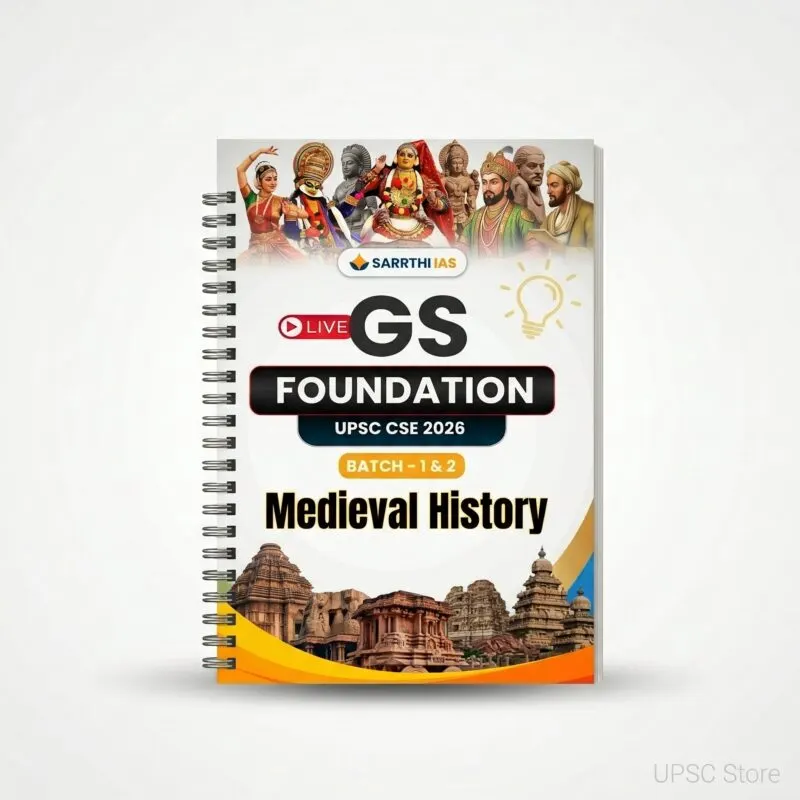

Sarrthi IAS GS Foundation Medieval History 2026 | Spiral | 1 Booklet | English Medium | UPSC Study Material
Binding Guide
Pick the binding that fits how you study.
Spiral Binding
- Lays completely flat
- 360° page rotation
- Great for note-taking
- Best for maths, science, reference
Without Spiral
- Compact & professional
- Sturdy glued/stitched spine
- Easy to stack & store
- Best for textbooks & long-term
About Sarrthi IAS GS Foundation Medieval
The Sarrthi IAS GS Foundation Medieval is a printed UPSC study material set sold by UPSC Store — India’s trusted source for genuine, latest-batch civil services preparation books. This page covers full booklet details, syllabus coverage, pricing, shipping, and frequently asked questions. Useful for UPSC CSE, BPSC, UPPSC, MPPSC, RAS and other state PSC examinations.
Sarrthi IAS GS Foundation Medieval History 2026 — 1 English Medium Printed Notes for UPSC GS Paper I
Related: Sarrthi IAS notes · GS Foundation Medieval History books
Product Overview
Buy Sarrthi IAS GS Foundation Medieval History 2026 printed notes online — the complete 158-page single booklet designed specifically for UPSC GS Paper I preparation. This premium study material covers the Medieval period comprehensively, with structured content from Sarrthi IAS’s GS Foundation course. Whether you’re preparing for UPSC 2026 or strengthening your history foundation, this booklet is an essential resource for serious aspirants.
| Feature | Details |
|---|---|
| Booklets Count | 1 Individual Printed Booklet — Medieval History Complete Coverage |
| Language | English Medium |
| Publisher | Sarrthi IAS (GS Foundation Series) |
| Edition | 2026 — Latest High-Quality Printed Batch |
| Condition | Brand New, Unmarked, Fresh Stock |
| Format | High-Quality Printed Booklet — Spiral |
| Paper Quality | 75 GSM Ultra-White — Highlighter Safe, Zero Bleed-Through |
| Page Count | 158 Pages of Structured Medieval History Content |
| Shipping | Pan India Delivery in 3-5 Business Days — Tracked |
| Also Useful For | BPSC, UPPSC, MPPSC, RAS, KPSC, JPSC, OPSC and all State PSC Examinations |
Complete Booklet Catalog
This single 158-page booklet from Sarrthi IAS GS Foundation series provides an in-depth exploration of Medieval History for UPSC GS Paper I aspirants. The content is meticulously organized to cover political, social, economic, and cultural dimensions of the Medieval period, ensuring comprehensive preparation for prelims and mains examinations. Designed specifically for serious UPSC candidates preparing for 2026 and beyond, this booklet serves as your primary reference material for Medieval History mastery.
- Medieval History Foundation (158 Pages): Complete coverage of Medieval India from early kingdoms through the Mughal era, including political dynasties, administrative systems, cultural achievements, religious movements, economic structures, and social organization. Topics span from the fall of the Gupta Empire through the establishment and consolidation of Mughal rule, with special emphasis on personalities, wars, treaties, and institutional developments crucial for UPSC GS Paper I. The booklet includes chronological frameworks, key events, important rulers, and thematic connections relevant to both prelims pattern and mains answer-writing.
In-Depth Content Breakdown: Booklet by Booklet
Medieval History Foundation (158 Pages)
This comprehensive booklet traces the evolution of Medieval India across multiple centuries, beginning with the post-Gupta period political fragmentation through the classical age of the Mughal Empire. The content systematically covers major dynasties including the Rajput kingdoms, Early Medieval states, the Delhi Sultanate, and the Mughal administration. Special attention is given to important rulers like Harsha, Prithviraj Chauhan, Muhammad of Ghur, Akbar, and Aurangzeb, with critical analysis of their policies, military campaigns, and administrative contributions. The booklet includes detailed discussion of feudalism in Medieval India, the jajmani system, land revenue systems, and the transition from ancient to medieval economic structures. Students preparing for UPSC GS Paper I will find precise coverage of medieval political geography, territorial changes, and interstate conflicts that form the backbone of Indian history questions in both prelims and mains.
The second dimension of this booklet explores cultural, social, and religious developments during the Medieval period, essential for scoring high marks in UPSC GS Paper I history sections. Detailed coverage includes the growth and decline of various religious movements, the bhakti and sufi traditions, Hindu-Muslim interactions, architectural and sculptural achievements, literature and scholarship, and the development of regional languages and scripts. The booklet features structured tables comparing different medieval kingdoms, chronological charts for easy revision, and thematic connections between political events and cultural expressions. Special sections focus on the evolution of administration, military technology, trade networks, and urban centers during this era. With 158 pages of focused content, this single booklet from Sarrthi IAS GS Foundation provides the depth and precision required to write comprehensive GS Paper I answers while also building strong foundation for optional history studies.
Physical Construction and Quality Standards
Sarrthi IAS Medieval History GS Foundation booklet is manufactured to the highest standards expected by serious UPSC aspirants. The entire 158-page booklet is printed on premium quality paper using advanced laser technology, ensuring every page—whether containing dense text, historical maps, genealogical tables, or chronological charts—remains crisp and clear throughout your study period. The binding is designed to withstand intensive daily use, margin annotations, and repeated page flipping during revision cycles. This booklet represents a significant investment in your UPSC preparation, and the physical construction reflects that commitment with durability and functionality perfectly calibrated for serious exam candidates.
Paper Quality: 75 GSM Anti-Glare Ultra-White Paper
Each page of this Medieval History booklet is printed on 75 GSM ultra-white paper, carefully selected to eliminate eye strain during extended study sessions—critical when preparing for UPSC’s demanding history sections. The 75 GSM weight provides excellent opacity, ensuring that text and images on the reverse side never bleed through to create visual clutter or distraction. This paper grade is specifically highlighter-safe: you can freely use fluorescent markers, colored pencils, and gel pens without fear of ink seeping through to the back of pages. The ultra-white finish maximizes contrast between text and background, making dense historical passages and chronological tables easier to parse during rapid revision cycles. For UPSC aspirants who rely on color-coded annotation systems to internalize vast amounts of medieval history content, this paper quality is non-negotiable.
Printing Technology: High-Resolution Laser Printing
Sarrthi IAS sources its Medieval History booklet from manufacturing partners using state-of-the-art laser printing technology, delivering exceptional resolution across all 158 pages. Historical maps—showing medieval kingdoms, trade routes, and territorial changes—are rendered with crisp lines and accurate detail. Genealogical tables comparing dynasties, chronological charts, and administrative hierarchies appear with perfect clarity, making them genuinely useful for quick reference during revision. The permanent toner used in laser printing ensures that text remains absolutely smudge-proof even after months of daily page-turning, margin writing, and reference during mock tests. Diagrams illustrating feudal systems, land revenue structures, and religious organizational hierarchies are printed with sufficient clarity to serve as standalone learning tools, reducing the need for supplementary materials.
Binding and Durability
This single Medieval History booklet is available in two binding options: spiral binding for aspirants who prefer pages that open completely flat (ideal for writing detailed notes alongside the printed text), or book binding for those prioritizing compact storage and portability. Both binding methods utilize a 300 GSM cover stock that provides protection from daily wear, margin stains, and the general deterioration that occurs during intensive UPSC preparation. Spiral binding allows you to prop open the booklet while studying, with pages lying absolutely flat for simultaneous reading and writing—especially valuable when cross-referencing medieval political events with cultural developments. Book binding provides a more traditional study experience with the booklet fitting compactly into standard UPSC study shelves. Either option ensures your Medieval History booklet remains in pristine condition from the first page through final revision sessions weeks before the exam.
Key Features and Study Design
Sarrthi IAS GS Foundation Medieval History booklet is designed with specific pedagogical principles that align with UPSC GS Paper I expectations and mains answer-writing requirements. The 158 pages are organized to facilitate both sequential learning and quick-reference revision, making this booklet valuable across different stages of your UPSC preparation journey.
- Chronological Framework with Thematic Depth: The booklet doesn’t merely list events in sequence; instead, it weaves chronological progression with thematic analysis of political systems, economic structures, and cultural movements. This dual approach ensures you can answer UPSC questions that demand both factual precision and interpretive depth—critical for scoring 80+ marks in GS Paper I history sections where examiners specifically reward nuanced understanding over mere factual recall.
- Dynasty-by-Dynasty Political Analysis: Each major medieval dynasty receives dedicated coverage examining founding circumstances, territorial expansion, administrative innovations, military organization, economic policies, and eventual decline. This structure directly mirrors UPSC mains question patterns, where you’re often asked to compare administrative systems, evaluate military strategies, or assess the impact of specific rulers. The booklet’s treatment of dynasties from the Rajputs through the Mughals provides ready-made frameworks for constructing high-scoring answers.
- Cultural and Social Integration: Rather than treating medieval history as purely political narrative, this booklet systematically integrates discussions of bhakti movements, sufi development, architectural achievements, literary production, and religious interactions. UPSC GS Paper I increasingly asks candidates to understand the interconnections between political power and cultural expression—this booklet’s integrated approach directly addresses that examination trend, helping you construct sophisticated answers that demonstrate holistic historical understanding.
- Map-Based Visual Learning: The 158-page booklet incorporates historical maps showing medieval kingdoms, territorial boundaries at different periods, trade routes connecting medieval cities, and the geographic extent of major empires. For UPSC GS Paper I, where questions often reference specific regions or ask about territorial relationships, having precise visual references embedded in your study material dramatically improves answer quality and geographical accuracy. These maps are laser-printed with sufficient clarity to serve as effective learning aids without requiring external atlases.
- Examination-Focused Condensation: Unlike sprawling medieval history textbooks that often contain peripheral details, this Sarrthi IAS booklet condensates content specifically for UPSC relevance. The 158 pages represent the optimal balance between comprehensive coverage and focused intensity—enough detail to understand medieval India deeply, but without unnecessary diversions that waste time during preparation. Every topic, every ruler, every system discussed has been evaluated for UPSC question likelihood, ensuring you’re investing study time in material that statistically correlates with examination questions.
Shipping, Packaging and Delivery
Your Sarrthi IAS Medieval History GS Foundation booklet ships in protective packaging designed specifically for book and booklet shipments. The 158-page booklet is wrapped in shrink-wrap to protect against dust and moisture during transit, then placed inside a corrugated cardboard box with protective edge-guards preventing corner damage. Internal padding ensures the booklet doesn’t shift during transport across India’s varying delivery terrains. The packaging is compact enough to fit standard mail-in envelopes while maintaining complete protection of the contents. For serious UPSC aspirants, receiving study material in pristine, unmarked condition is non-negotiable—our packaging standards reflect that understanding.
Pan India delivery is guaranteed within 3-5 business days from order confirmation, with tracking ID provided via WhatsApp (+91 85802 57424) and email for complete shipment visibility. Once shipped, you’ll receive regular SMS updates with your tracking number, enabling you to monitor your Medieval History booklet’s progress from our Mukherjee Nagar facility to your doorstep. If any booklet arrives damaged or if pages are missing (extremely rare given our quality standards), replacement copies are dispatched within 48 hours at absolutely no additional cost—we stand behind the condition and completeness of every shipment. For urgent orders requiring accelerated delivery, contact our WhatsApp support team for expedited shipping options available to major metro areas and prominent UPSC hub cities.
Frequently Asked Questions (FAQ)
A: Yes, absolutely. This booklet is specifically designed for UPSC 2026 preparation, covering the complete Medieval History portion of GS Paper I with content aligned to current examination patterns and syllabus requirements. The Sarrthi IAS GS Foundation series is created by instructors with decades of UPSC mentoring experience, ensuring every topic, every ruler, and every system discussed carries direct relevance to prelims and mains questions. The 158-page depth is precisely calibrated for scoring high marks in GS Paper I without wasting time on peripheral details. Whether you’re starting from scratch or consolidating previous reading, this 2026 edition provides the foundational mastery required for confident exam performance.
A: This single 158-page booklet comprehensively covers Medieval India from the post-Gupta period through the Mughal era. Topics include major dynasties (Rajputs, Delhi Sultanate, Mughals), important rulers and their policies, feudalism and administrative systems, land revenue structures, religious movements (bhakti, sufi), Hindu-Muslim interactions, architectural and cultural achievements, evolution of medieval economy and trade, development of regional languages, military technology, and urbanization processes. Each topic is explored with sufficient depth for both prelims pattern questions and mains answer-writing, with special emphasis on thematic connections and conceptual clarity rather than mere factual enumeration.
A: This is a single 158-page booklet covering the complete Medieval History portion of the GS Foundation series. The concentrated format means all Medieval History content is organized within one booklet, making it convenient for study organization while ensuring comprehensive coverage. The single booklet doesn’t imply incomplete coverage—rather, Sarrthi IAS has condensated medieval history content with UPSC-specific relevance into these 158 optimized pages, eliminating padding and unnecessary peripheral details. For many serious aspirants, having Medieval History contained in a single focused booklet facilitates quicker revision cycles and more efficient reference during answer-writing practice sessions.
A: Yes, this Medieval History booklet is available exclusively in English Medium, making it ideal for aspirants preparing in English for UPSC. The entire 158-page content—including historical narratives, chronological frameworks, map labels, table headings, and examination-relevant explanations—is written in clear, academically precise English appropriate for serious UPSC candidates. English medium is essential if you’re planning to write your GS Paper I answers in English, as it ensures your study material uses terminology and conceptual frameworks directly matching your examination medium. Buy this Medieval History booklet in English medium with confidence that every aspect—content, terminology, analytical approach—aligns with UPSC GS Paper I English expectations.
A: The best Medieval History study material for UPSC GS Paper I combines three essential elements: comprehensive topical coverage aligned to syllabus requirements, examination-focused analysis that develops answer-writing capability, and physical accessibility for intensive daily use. Sarrthi IAS Medieval History GS Foundation booklet delivers all three elements in single, condensated 158-page format. It balances breadth with focused depth, includes visual aids like maps and tables essential for GS Paper I, and is printed on premium quality paper that withstands months of active study. Rather than juggling multiple medieval history sources, many serious UPSC aspirants find that buying this single Sarrthi IAS booklet provides the core material needed for GS Paper I medieval questions, supplemented selectively with additional resources only for specific advanced topics.
A: Yes, this 2026 edition represents Sarrthi IAS’s latest Medieval History content, updated to reflect any curriculum changes, recent historical scholarship relevant to UPSC, and examination pattern evolution. The GS Foundation series undergoes annual content review to ensure alignment with current syllabus specifications and question patterns observed in recent UPSC examinations. By buying the 2026 edition, you’re accessing material created specifically for this year’s exam cycle, with content sequencing and emphasis calibrated to match expected question distribution. This currency ensures your Medieval History preparation isn’t based on outdated frameworks or obsolete analytical approaches, giving you competitive advantage over candidates studying from older editions.
A: Begin by reading the 158-page Medieval History booklet sequentially to establish chronological understanding and identify major themes connecting different periods and dynasties. On second reading, actively annotate using different colored highlighters—mark political developments in one color, cultural achievements in another, economic systems in a third—creating visual codes that accelerate revision. Use the booklet’s chronological frameworks and dynasty-by-dynasty structure to create your own summary timeline, reinforcing memory retention. Practice answering UPSC-style questions by referencing relevant sections, developing the habit of integrating multiple booklet topics into single comprehensive answers. During final months before examination, use the booklet as your primary revision resource, revisiting highlighted sections and your marginal notes. The 158-page length makes complete revision cycles feasible within reasonable study hours, supporting intensive pre-examination consolidation.
A: This single 158-page Medieval History booklet provides a robust foundation for UPSC GS Paper I medieval history questions, covering the core topics that appear most frequently in examination papers. Most UPSC aspirants using this booklet systematically find it suffices for scoring well in the medieval history portion of GS Paper I. However, “enough” depends on your scoring ambition and previous background. If you aim for 75+ marks in GS Paper I or are pursuing history as optional subject, you may selectively supplement this booklet with additional resources addressing very specific advanced topics. For aspirants targeting 60-70 marks in GS Paper I or those with moderate history background, Sarrthi IAS Medieval History booklet, combined with newspaper reading and current affairs, typically provides sufficient material. The booklet’s strength lies in examination-focused condensation—every page carries relevance to likely UPSC questions, minimizing wasted preparation time.
A: Sarrthi IAS Medieval History booklet is printed on 75 GSM ultra-white paper specifically chosen for UPSC aspirant study patterns. This paper grade is completely highlighter-safe—you can freely use fluorescent markers, colored pens, and gel ink without any bleed-through to reverse pages, essential when implementing color-coded annotation systems. The ultra-white finish reduces eye strain during extended study sessions and maximizes visual contrast, making dense medieval history passages and chronological tables easier to absorb rapidly. The booklet is available in spiral binding (pages open flat for simultaneous reading and writing) or book binding (compact storage and portability). Both binding options feature 300 GSM protective covers and are designed to withstand intensive daily use throughout your UPSC preparation period. Whether you choose spiral or book binding, you’re assured of physical durability matching the content quality.
A: Sarrthi IAS Medieval History booklet distinguishes itself through examination-focused content selection, integrated thematic analysis (balancing political, social, and cultural dimensions), and optimal page condensation (158 pages vs. sprawling 300+ page medieval history textbooks). Unlike generic history books, every topic in this booklet is evaluated for UPSC question likelihood. Unlike purely chronological listings, the booklet develops thematic frameworks connecting Medieval developments across centuries. The GS Foundation series specifically targets GS Paper I requirements, avoiding the optional history subject depth that becomes unnecessary baggage for general studies preparation. When comparing materials, Sarrthi IAS Medieval History delivers the highest information density relative to page count, making it ideal for time-conscious aspirants. The combination of focused content, premium printing quality, and Sarrthi IAS’s track record of UPSC mentoring makes this booklet an excellent standalone resource or core supplementary material.
A: Yes, you can buy this Medieval History booklet through our secure online store at UPSC Study Materials platform. Our website uses encrypted payment processing for all transactions, protecting your financial information completely. After ordering online, you’ll receive immediate email confirmation with your order number and tracking details. Payment options include credit card, debit card, net banking, and UPI transfers—all processed through secure payment gateways trusted by thousands of UPSC aspirants. For maximum security and peace of mind, we recommend using your bank’s preferred payment method and avoiding third-party payment intermediaries. Upon successful payment confirmation, your Medieval History booklet shipment is prepared immediately, with WhatsApp tracking provided within hours. The entire online buying process is transparent, trackable, and secure—buy with confidence from India’s premier UPSC study material provider.
A: Extremely unlikely given our quality standards, but if your Sarrthi IAS Medieval History booklet arrives damaged, with bent pages, water damage, or missing content, contact our WhatsApp support (+91 85802 57424) with photographic evidence. Replacement copies are dispatched at absolutely no additional cost within 48 hours—we guarantee 100% satisfaction with physical condition and completeness of every shipment. Our packaging standards and logistics partnerships are specifically designed to prevent such issues, but we stand behind every order with comprehensive replacement guarantees. Additionally, if you receive the booklet and discover printing defects (faded text, misaligned pages, smudged content) within 7 days of delivery, photographic documentation enables immediate replacement without return shipping burden. This commitment to post-purchase satisfaction reflects our confidence in Sarrthi IAS Medieval History quality and our dedication to serious UPSC aspirants who invest in premium study materials.
Summary
| Specification | Value |
|---|---|
| Booklets | 1 Printed Booklet |
| Subject | Medieval History (GS Paper I) |
| Language | English Medium |
| Page Count | 158 Pages |
| Publisher | Sarrthi IAS (GS Foundation Series) |
| Paper Quality | 75 GSM Ultra-White, Highlighter Safe |
| Binding | Spiral or Book Binding (300 GSM Cover) |
| Edition | 2026 — Latest High-Quality Printed Batch |
| Delivery | 3-5 Business Days Pan India, Tracked |
| Also Useful For | BPSC, UPPSC, MPPSC, RAS, KPSC, JPSC, OPSC and State PSCs |
Sarrthi IAS Medieval History GS Foundation 2026 booklet sourced from Mukherjee Nagar, Delhi — trusted by thousands of UPSC aspirants. Pan India delivery in 3-5 days. Contact WhatsApp +91 85802 57424 for queries.
Reference: UPSC official syllabus
Customer Reviews
No reviews yet
Be the first — bought this set? Tap “Write a Review” and tell other students how it arrived.
Only real buyers — we never post fake reviews.
Aspirants Also Bought
Same exam · bestsellers first


Vision IAS Prelims 2026-27 GS Test Series | 15–35 Tests | English Medium


Vajiram & Ravi General Studies Prelims Test Series 2026-27 | 10–30 Tests | English Medium | UPSC Study Material

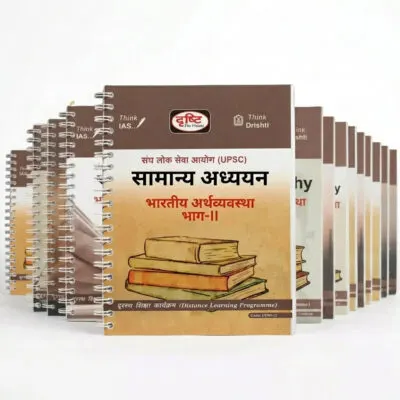
Drishti IAS Hindi Medium Complete GS Notes 2025-26 | 18 Booklets | Hindi Medium | UPSC Study Material


Next IAS General Studies Prelims Test Series 2026-27 | 10–35 Tests | English Medium | UPSC Study Material
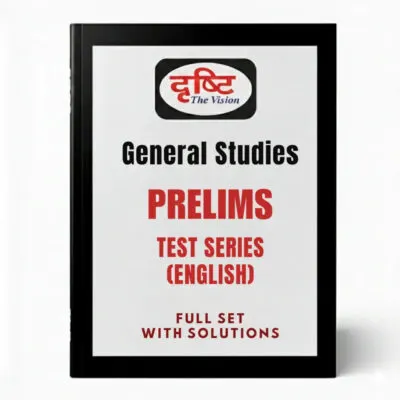
Drishti IAS Prelims Test Series 2026-27 | 10–35 Tests | English Medium | UPSC Study Material
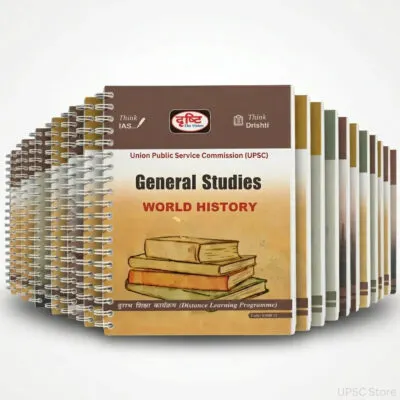
Drishti IAS GS Foundation Notes 2025-26 | 27 Booklets | English Medium | UPSC Study Material

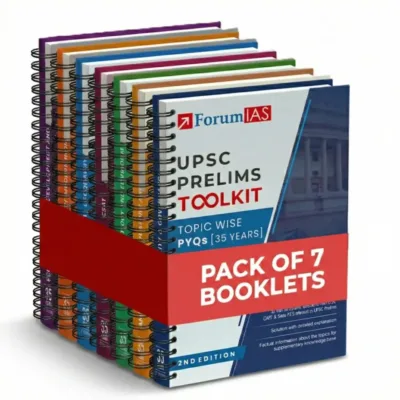
Forum IAS Prelims Topic-wise PYQs 1992-2025 | 7 Booklets | English Medium | UPSC Study Material

PW Only IAS Prelims 2026-27 Hindi Test Series | 10–35 Tests | Hindi Medium | UPSC Study Material

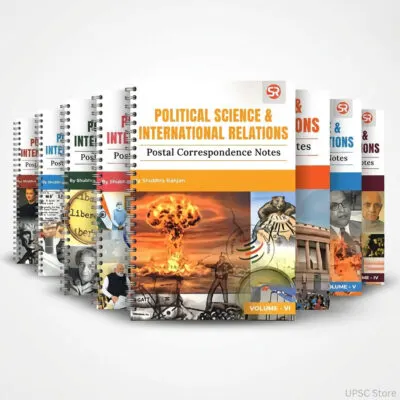
Shubhra Ranjan PSIR Optional Handwritten Notes 2026-27 | 11 Booklets | English Medium | UPSC Study Material

Drishti IAS Prelims Test Series 2026-27 | 10–35 Tests | Hindi Medium | UPSC Study Material
Ranker's Classes Commerce Optional Notes 2025-26 | 10 Booklets | English Medium | UPSC Study Material

About Sarrthi IAS GS Foundation Medieval History 2026
Sarrthi IAS GS Foundation Medieval History 2026 is an original printed study material set from Sarrthi IAS, covering Medieval History. Available in English medium, this set is counted booklet by booklet before dispatch — no photocopies, no missing booklets.
Product Details
- Institute: Sarrthi IAS
- Subject: Medieval History
- Medium: English
- Pages: 158
- Format: High-Quality Printed Booklet
- Delivery: Pan-India delivery in 4–7 working days, free over ₹1,999
- Condition: New, original print — counted before dispatch
Why Buy from UPSC Store?
- ✓ Original Printed Notes — no photocopies, every booklet counted before it ships
- ✓ Fast Dispatch — ships within 24 hours from Delhi, arrives in 4–7 days pan-India
- ✓ Secure Packaging — bubble-wrapped and boxed to prevent damage in transit
- ✓ 180+ Orders Shipped — to 25 states across India
- ✓ WhatsApp Support — ask which set fits your optional and medium before ordering
Frequently Asked Questions
Original print — the same printed booklets the institute issues. Every set is counted booklet by booklet before dispatch.
Orders are dispatched within 24 hours from Delhi and delivered across India in 4–7 working days. Delivery is free over ₹1,999.
Returns are accepted only if the problem is from our side: wrong item, damaged or defective copy, or missing booklets or pages. Report it within 7 days of delivery and we arrange a free pickup and send a free replacement or a full refund. We do not accept change-of-mind returns, so please check the medium, edition and binding before ordering. WhatsApp us to start a return.