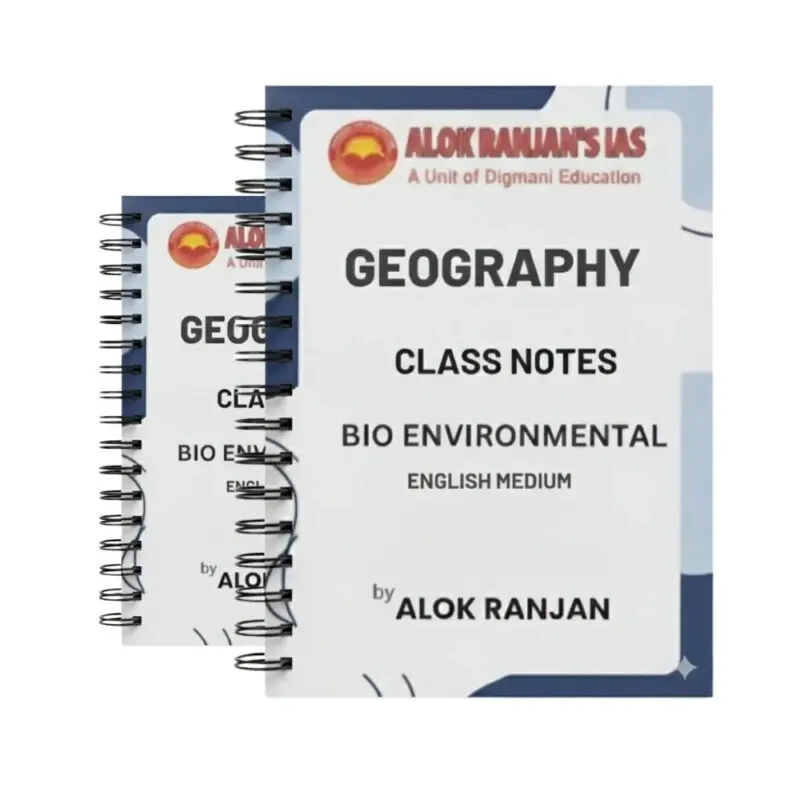
Alok Ranjan Geography Optional Notes 2025-26

3 Booklets | English Medium | UPSC Study Material

Key Highlights:
📘 20 Booklets
📚 Geography
🎓 Pankaj Copy House
🏷️ Printed
🇬🇧 English Medium
₹1,375
🌀 spiral
📘 book-binding
Only 22 sets left
Selling fast (70 sold this week)
5% OFF Use UPSC5% (COD Available)
10% OFF Use UPI10 (UPI Only)
Secure Payment
Fast Delivery
Safe Packaging

About Alok Ranjan Geography Optional Notes

The Alok Ranjan Geography Optional Notes is a printed UPSC study material set sold by UPSC Store — India’s trusted source for genuine, latest-batch civil services preparation books. This page covers full booklet details, syllabus coverage, pricing, shipping, and frequently asked questions. Useful for UPSC CSE, BPSC, UPPSC, MPPSC, RAS and other state PSC examinations.

Alok Ranjan Geography Optional Notes 2025-26 — 8 English Medium Printed Booklets for UPSC Mains Geography Optional

Related: Alok Ranjan notes · Geography optional

Product Overview

FeatureDetails
Booklets Count8 Individual Printed Booklets — Full UPSC Geography Optional Syllabus (Paper 1 + Paper 2)
LanguageEnglish Medium
PublisherAlok Ranjan’s IAS — A Unit of Digmani Education (Geography Class Notes — Bio Environmental Series)
Edition2025-26 — Latest Genuine Batch
ConditionBrand New, Unmarked, Fresh Stock
FormatHigh-Quality Printed Booklets — Spiral or Book Binding
Paper Quality75 GSM Ultra-White — Highlighter Safe, Zero Bleed-Through
ShippingPan India Delivery in 3-5 Business Days — Tracked
Also Useful ForBPSC, UPPSC, MPPSC, RAS and all State PSC Geography Optional Aspirants

Complete Booklet Catalog

This 3-booklet set from Alok Ranjan’s IAS (Digmani Education) covers the entire UPSC Geography Optional syllabus across both Paper 1 and Paper 2 in structured, classroom-style printed notes. Designed for UPSC Mains aspirants writing Geography as their optional subject in English medium, each booklet targets a specific thematic cluster of the syllabus for focused, modular study.

  • Booklet 1: Geomorphology and Physical Geography — Origin and evolution of the Earth, interior of the Earth, continental drift, plate tectonics, folding and faulting, vulcanicity, earthquakes, weathering and mass wasting, landforms produced by fluvial, glacial, aeolian and marine processes, geomorphic cycles, slope development theories and applied geomorphology relevant to UPSC Paper 1.
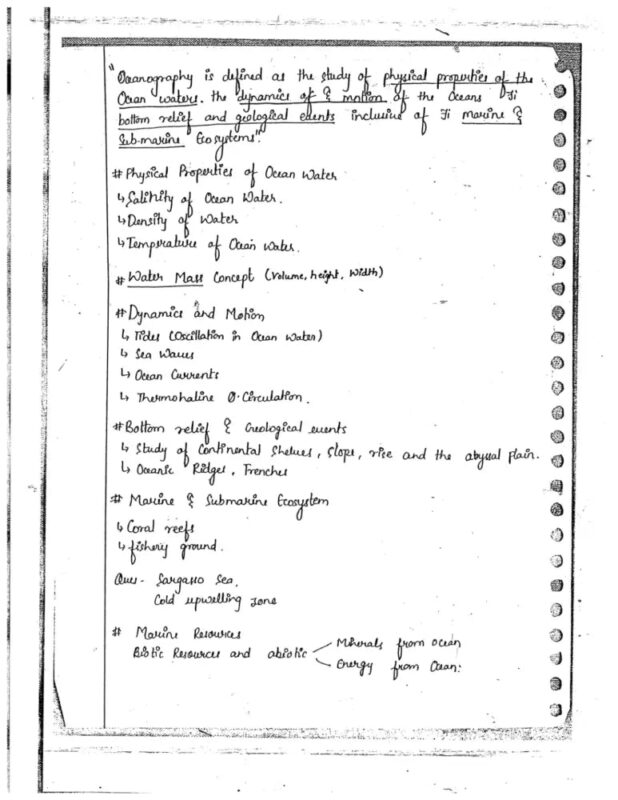
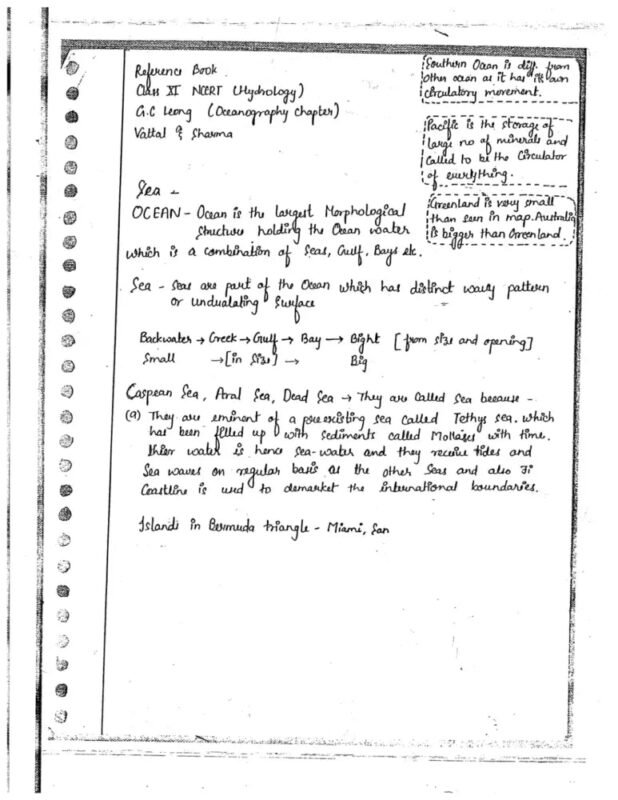
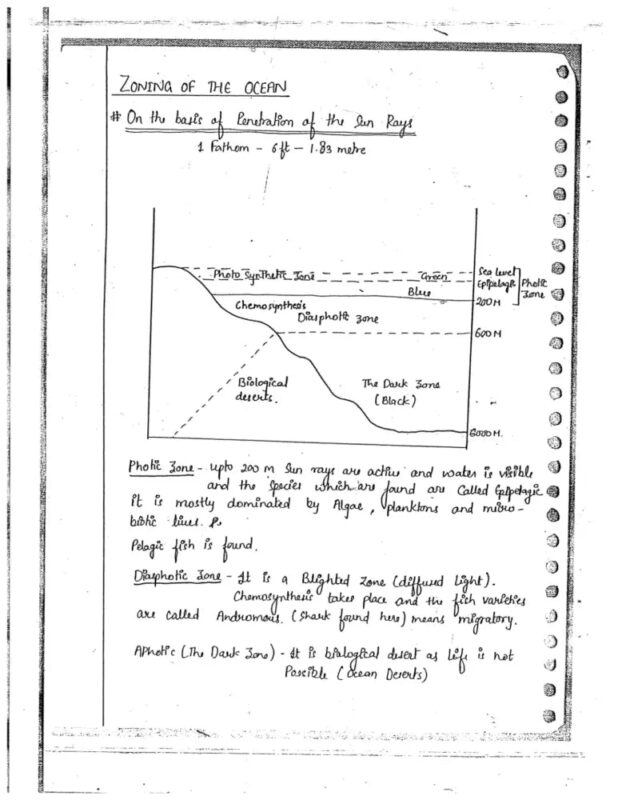
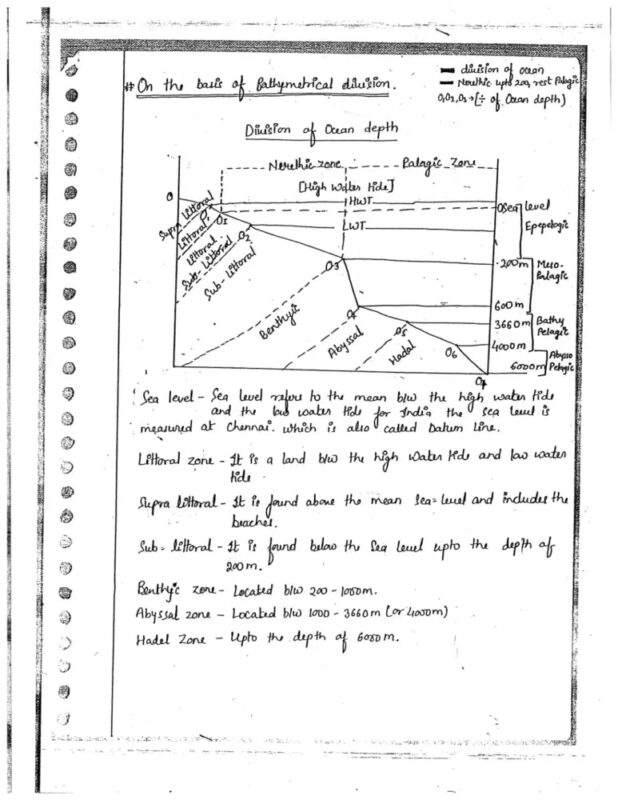
  • Booklet 2: Climatology and Oceanography — Atmosphere composition and structure, solar radiation and heat budget, temperature distribution, pressure belts and wind systems, humidity, precipitation, air masses and fronts, cyclones, world climate classification (Koppen, Thornthwaite), ocean bottom relief, salinity, ocean currents, tides, El Niño and La Niña, and marine deposits for UPSC Geography Optional Paper 1.
  • Booklet 3: Biogeography and Environmental Geography — Genetic and historical factors in soil formation, soil types and distribution, world vegetation types, ecosystem structure and function, biomes, biodiversity, environmental degradation, desertification, deforestation, climate change and its geographical dimensions, international environmental agreements, and sustainable development frameworks as per the UPSC optional syllabus.
  • Booklet 4: Human Geography — Perspectives and Population — Evolution of human geography, positivism, behaviouralism, humanistic and radical approaches, population distribution and density, population growth theories (Malthus, Demographic Transition), migration theories, world population problems, human development index, gender and development, ageing populations, and rural-urban transformation — all mapped to UPSC Geography Optional Paper 1 and Paper 2.
  • Booklet 5: Settlement Geography and Economic Geography — Rural and urban settlements, site and situation, urban morphology and functional classification, urbanisation trends, problems of urban growth, theories of urban growth, world agricultural systems, agricultural location theories (Von Thunen), industrial location theories (Weber, Losch), global industrial patterns, energy resources, world trade and transport networks as required in UPSC Geography Optional Paper 2.
  • Booklet 6: Regional Planning and Political Geography — Concept of region and regional planning, growth poles, multi-level planning, development disparity and regional imbalance, political geography fundamentals, state, nation and nationalism, boundaries and frontiers, geopolitics, heartland and rimland theories, maritime boundaries, EEZ, international organisations and regional cooperation blocs — important for UPSC Geography Optional Paper 1 and Paper 2 intersection topics.
  • Booklet 7: Geography of India — Physical and Human — Physiographic divisions of India, drainage systems, monsoon mechanisms, climate regions of India, soils and vegetation, mineral and energy resources, population distribution and growth, tribal populations, scheduled castes, rural-urban structure, urbanisation, transport networks, and regional disparities — covering the complete Indian geography component of UPSC Geography Optional Paper 2 as per the UPSC syllabus.
  • Booklet 8: Geography of India — Agriculture, Industry and Regional Development — Agricultural land use, cropping patterns, Green Revolution, agricultural productivity, major industries and their locational analysis, industrial corridors, special economic zones, water resources and irrigation, environmental issues in India, environmental legislation, planning and regional development in India, border areas and strategic geography — completing Paper 2 coverage for UPSC Mains Geography Optional examination.

In-Depth Content Breakdown: Booklet by Booklet

Booklet 1: Geomorphology and Physical Geography

Geomorphology carries significant weight in UPSC Geography Optional Paper 1 and this booklet addresses it in full. Topics include the origin and evolution of the Earth’s crust, theories of continental drift and plate tectonics, types of plate boundaries, vulcanicity and seismicity, and the geomorphic processes of weathering and erosion. Special attention is given to landform development under fluvial, glacial, aeolian, coastal and karst processes — each explained with annotated diagrams and examples drawn from global and Indian landscapes for maximum UPSC answer relevance.

The booklet presents slope development theories (Davis, Penck, King) side by side for easy comparison — a format frequently needed in UPSC Mains answers. Applied geomorphology covering hazard zonation and land use planning is included, connecting syllabus content to contemporary issues. Flowcharts summarise geomorphic cycles at a glance. Students who buy this set report that the sequential arrangement of topics matches the UPSC Geography Optional syllabus order, making it easier to plan revision schedules around exam timelines.

Booklet 2: Climatology and Oceanography

Climatology forms the backbone of UPSC Geography Optional Paper 1 Section B, and this booklet provides point-to-point coverage of every subtopic. Atmospheric structure, solar constant, insolation, heat budget, lapse rates, temperature inversion, pressure gradient, Coriolis force, jet streams, monsoon theories, El Niño-Southern Oscillation (ENSO), La Niña and Indian Ocean Dipole are all covered with clear explanatory notes. Climate classification systems including Koppen and Thornthwaite are presented with world distribution maps and comparative tables that directly support UPSC Mains answer writing.

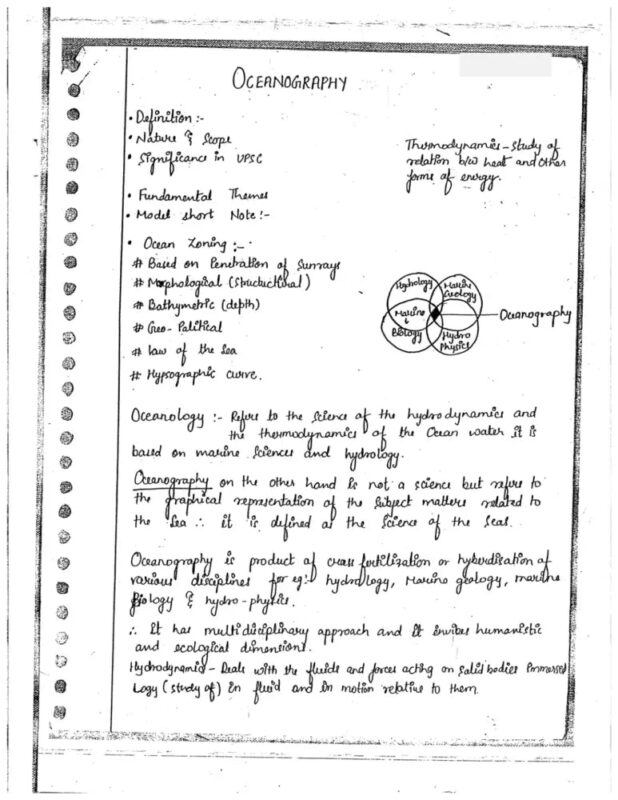
The oceanography segment covers bottom relief features, temperature-salinity relationships, ocean current systems (warm and cold), upwelling zones, tides (spring, neap, tidal bores), marine deposits and coral reefs. Each topic is linked to real-world examples relevant to UPSC geography questions — such as the role of ocean currents in European climate or the impact of El Niño on Indian monsoon. Diagrams of global wind belts and ocean current maps are printed with sufficient resolution for effective study from these booklets.

Booklet 3: Biogeography and Environmental Geography

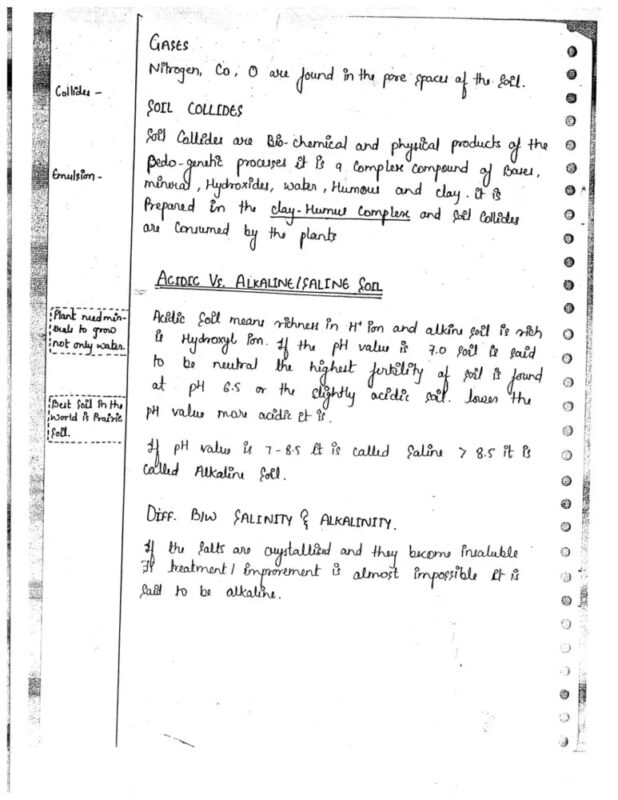
This booklet integrates biogeography and environmental geography — two themes that appear consistently in UPSC Geography Optional Paper 1 as well as in GS Paper 3 overlap areas. Soil formation factors (parent material, climate, organisms, topography, time), soil profiles, world soil types and their agricultural significance are covered in detail. World biomes — tropical rainforests, savannas, Mediterranean, temperate grasslands, boreal forests and tundra — are mapped against climate and human activity, providing a comparative framework that aids UPSC answer structuring.

The environmental geography component addresses desertification, deforestation, soil erosion, biodiversity loss, air and water pollution, and the geography of climate change. International frameworks — UNFCCC, Kyoto Protocol, Paris Agreement, Convention on Biological Diversity — are explained in their geographical context rather than as isolated policy notes, which is the approach rewarded in UPSC Geography Optional answers. Students preparing for UPSC 2025-26 will find this booklet equally useful for both optional paper answers and GS crossover questions.

Booklet 4: Human Geography — Perspectives and Population

Human geography theory is tested in UPSC Geography Optional Paper 1 and requires conceptual clarity on philosophical schools. This booklet opens with the evolution of human geography — determinism, possibilism, stop-and-go determinism, quantitative revolution, behaviouralism, humanistic geography and radical/Marxist approaches — each explained with key thinkers, core arguments and UPSC-relevant critique points. Population geography follows with Malthusian theory, demographic transition model, world population distribution, density and growth patterns presented through data-backed notes.

Migration theories (Ravenstein’s Laws, push-pull factors, Zelinsky’s mobility transition) and their relevance to contemporary global migration patterns are covered with case studies. The booklet also addresses human development, gender disparity, ageing societies and refugee geography — all topics that have appeared in recent UPSC Geography Optional question papers. Comparative population data tables for major world regions are included to support the data-driven approach that UPSC Geography Optional examiners reward in well-structured answers.

Booklet 5: Settlement Geography and Economic Geography

Settlement geography and economic geography together constitute a significant portion of UPSC Geography Optional Paper 2. This booklet covers rural settlement types, patterns and their geographical determinants, followed by urban settlement classification, functional zones, CBD morphology, urban hierarchy and Christaller’s Central Place Theory. Urbanisation trends in developed and developing countries, problems of urban sprawl, slum formation, and smart city concepts are addressed with examples relevant to both global and Indian contexts tested in UPSC Mains.

Economic geography in this booklet covers world agricultural systems from subsistence farming to commercial plantation and dairy farming, explained using Von Thunen’s model. Industrial location theory (Weber’s least cost theory, Losch’s market area approach) is followed by analysis of major global industrial regions — Manufacturing Belt USA, Rhine-Ruhr, Japanese core, Chinese coastal belt and Indian industrial corridors. Energy resources, world trade flows, and transport geography including port hierarchies are included, ensuring UPSC aspirants have complete Paper 2 economic geography coverage in one booklet.

Booklet 6: Regional Planning and Political Geography

Regional planning and political geography are frequently underestimated sections of UPSC Geography Optional, yet they offer high-scoring opportunities for well-prepared candidates. This booklet clarifies the concept of region (formal, functional, vernacular), regional planning approaches including growth pole theory (Perroux, Boudeville), multi-level planning in India, regional disparity indices, and the geography of underdevelopment. The notes connect regional planning theory directly to Indian five-year plan approaches and NITI Aayog frameworks — bridging academic geography and applied UPSC content effectively.

Political geography covers the evolution of the state, nation-state formation, boundaries and frontiers (geometric, anthropographic, physiographic), Hartshorne’s functional approach to the state, heartland (Mackinder) and rimland (Spykman) theories, sea power (Mahan), geopolitics and its contemporary relevance, maritime boundaries under UNCLOS, exclusive economic zones, and the strategic geography of India’s borders. These notes are structured to enable point-by-point UPSC answer writing, with theoretical frameworks linked to current geopolitical events that appear in UPSC Geography Optional and GS Paper 2.

Booklet 7: Geography of India — Physical and Human

The Indian geography component of UPSC Geography Optional Paper 2 begins in this booklet with the physiographic divisions of India — the Himalayas (ranges, passes, significance), the Northern Plains, the Peninsular Plateau, the Coastal Plains and Islands — each described with formation processes and economic significance. India’s drainage systems, including Himalayan and Peninsular river classifications, their regimes and inter-linking proposals, are covered in depth. The Indian monsoon mechanism, onset, withdrawal, variability and its impact on agriculture are explained with reference to contemporary UPSC questions.

Human geography of India includes population distribution and growth patterns, linguistic and religious diversity, scheduled caste and scheduled tribe distribution, literacy and sex-ratio patterns, and rural-urban migration. Transport infrastructure — railways, roadways, waterways, airways and pipelines — is mapped against regional development patterns. Regional disparities between states, backward area identification, and the geography of poverty are covered using current data relevant to UPSC Geography Optional Paper 2. Diagrams, sketch maps and data tables support the descriptive text throughout this booklet.

Booklet 8: Geography of India — Agriculture, Industry and Regional Development

This final booklet completes the Indian geography coverage required for UPSC Geography Optional Paper 2. Agricultural land use patterns in India, major food and cash crops (rice, wheat, sugarcane, cotton, jute, oilseeds, pulses) and their regional distribution are covered alongside irrigation systems, water resource availability, groundwater depletion, and the geography of drought-prone and flood-prone regions. The Green Revolution — its spatial pattern, achievements and regional disparities — is analysed from a geographical perspective as required in UPSC Mains answers.

India’s major industries — iron and steel, textiles, petrochemicals, IT and software, pharmaceuticals — are studied with locational factors and regional concentration patterns. Industrial corridors (Delhi-Mumbai, Chennai-Bengaluru, Amritsar-Kolkata), special economic zones, and the National Investment and Manufacturing Zones are mapped and explained. Environmental issues specific to India — land degradation, river pollution, deforestation in the Northeast and Western Ghats, urban air quality — and India’s environmental policy landscape are covered to complete the Paper 2 syllabus. This booklet ensures UPSC aspirants can buy a complete, self-contained Geography Optional resource in a single set.

Physical Construction and Quality Standards

Every booklet in the Alok Ranjan Geography Optional Notes 2025-26 set is manufactured to withstand the demands of daily UPSC study — long hours, repeated handling, underlining, annotation and multiple revisions over a preparation cycle of twelve to eighteen months.

Paper Quality: 75 GSM Anti-Glare White Paper

The 75 GSM ultra-white paper used across all 3 Booklets is selected specifically for UPSC study conditions. High opacity prevents show-through from the reverse side, meaning text printed on both sides of a page remains fully legible without visual interference. Multiple highlighter colours — yellow, green, pink, orange — and gel pens can be used freely without bleed-through, enabling the colour-coded revision system preferred by serious UPSC Geography Optional aspirants. The anti-glare surface finish reduces eye strain during long study sessions lasting four to six hours, which is standard practice in UPSC preparation.

Printing Technology: High-Resolution Laser Printing

All 3 Booklets are laser-printed at high resolution, ensuring that text, diagrams, maps and flowcharts reproduce with sharp clarity. Geography optional notes depend heavily on visual content — tectonic diagrams, climate graphs, world map outlines, river basin sketches and industrial region maps all require high print fidelity to be useful for study. Laser toner is bonded permanently to the paper surface, making it smudge-proof and resistant to moisture, which protects the printed content even with heavy daily use. The result is a printed resource that remains clean and legible across an extended UPSC preparation period.

Binding and Durability

Booklets are available in spiral binding or book binding depending on batch production. Spiral-bound copies open completely flat on a desk, allowing students to write margin notes and supplementary points alongside the printed content without the binding fighting back — a practical advantage during active UPSC revision. Book-bound copies offer a compact, shelf-stable format that travels easily in a bag to the library or coaching centre. Both binding formats use a 300 GSM laminated cover that protects interior pages from creasing and moisture during transit and daily handling over the full UPSC preparation cycle.

Key Features and Study Design

The Alok Ranjan Geography Optional Notes 2025-26 are structured around the actual UPSC Mains Geography Optional question paper pattern — both Paper 1 and Paper 2 — with content organised for efficient coverage, quick revision and direct answer application during examination.

  • Complete Paper 1 and Paper 2 Coverage: All 3 Booklets together address every section of the UPSC Geography Optional syllabus — Geomorphology, Climatology, Oceanography, Biogeography, Human Geography, Economic Geography, Settlement Geography, Indian Physical Geography, Indian Human and Economic Geography — ensuring no syllabus gap remains when you buy this set.
  • Classroom-Quality Notes from Alok Ranjan’s IAS: These are classroom session notes from Alok Ranjan’s IAS (Digmani Education), structured as the faculty teaches the subject — with conceptual explanations, theory comparisons, contemporary examples and answer-writing cues built into the content rather than added as afterthoughts, making them more effective than standard textbook summaries for UPSC Mains preparation.
  • Diagram-Rich Geography Content: Geography Optional demands strong diagrammatic answers, and these booklets include annotated diagrams of geomorphic processes, climate systems, ocean current maps, demographic models, economic geography models (Von Thunen, Weber, Christaller) and Indian regional maps — all printed at resolution sufficient for clear study and reproduction in UPSC answers.
  • Modular 3-booklet Structure for Planned Revision: The 3-booklet format allows UPSC aspirants to carry only the relevant booklet to each study session rather than handling a bulky single volume. This modular structure also makes topic-wise revision and subject rotation — a standard UPSC preparation technique — more practical to execute during the months leading up to the Mains examination.
  • Current Edition Aligned to 2025-26 UPSC Cycle: The 2025-26 edition reflects updated content relevant to the current UPSC examination cycle, including contemporary case studies, recent data, and examples drawn from current affairs that geography-optional examiners reward when integrated with core geographical concepts in UPSC Mains answers.

Shipping, Packaging and Delivery

Each order of Alok Ranjan Geography Optional Notes 2025-26 is packed with care to ensure all 3 Booklets arrive in pristine, study-ready condition. Booklets are individually shrink-wrapped to prevent moisture ingress and surface scuffing, then packed together in a rigid corrugated cardboard box with foam-padded corner protectors and edge reinforcement. A foam insert layer between the booklets prevents cover-to-cover friction during transit. The external box is sealed with tamper-evident tape and clearly labelled with the delivery address and order reference, ensuring correct and secure delivery across all Indian PIN codes.

Orders are dispatched within 1-2 business days and delivered pan India within 3-5 business days via tracked courier. A tracking ID is shared via email and WhatsApp within 24 hours of dispatch so you can monitor your Geography Optional notes en route. For order queries, missing booklet replacements (resolved within 48 hours of reporting), or bulk orders for coaching institutes and study groups, contact our support team on WhatsApp at +91 70045 49563. We serve UPSC aspirants across Delhi, Mukherjee Nagar, Rajinder Nagar, and every city and town in India with the same tracking and quality guarantee.

Frequently Asked Questions (FAQ)

Q1: Are Alok Ranjan Geography Optional Notes good for UPSC 2025-26?

A: Yes. Alok Ranjan’s IAS (Digmani Education) Geography Optional Notes are classroom-structured notes that cover the complete UPSC Mains Geography Optional syllabus across Paper 1 and Paper 2. The notes are organised topic-by-topic in the sequence the UPSC syllabus follows, include diagrams, theory comparisons and contemporary examples, and are regularly updated for each batch cycle — making the 2025-26 edition relevant and well-aligned to the current UPSC examination pattern and expected question trends.

Q2: How many booklets are included in Alok Ranjan Geography Optional Notes 2025-26?

A: The 2025-26 set includes 8 printed booklets in total. Together they cover the full UPSC Geography Optional syllabus — Geomorphology, Climatology, Oceanography, Biogeography, Environmental Geography, Human Geography, Economic and Settlement Geography, and both the Physical and Human-Economic Geography of India. When you buy this set, you receive all 3 Booklets packed together in a single tracked shipment delivered pan India within 3-5 business days.

Q3: Is Alok Ranjan Geography Optional Notes available in English medium?

A: Yes. The 2025-26 set listed here is entirely in English medium. The notes are written in clear, examination-friendly English that is appropriate for UPSC Mains answer writing, including technical geographical terminology, model names, and data-supported arguments. English-medium UPSC Geography Optional aspirants preparing for the 2025-26 examination cycle can buy this set directly without any language barrier in the printed content.

Q4: What topics are covered in Alok Ranjan Geography Optional 3 Booklets?

A: The 3 Booklets cover: (1) Geomorphology and Physical Geography, (2) Climatology and Oceanography, (3) Biogeography and Environmental Geography, (4) Human Geography and Population, (5) Settlement Geography and Economic Geography, (6) Regional Planning and Political Geography, (7) Geography of India — Physical and Human, and (8) Geography of India — Agriculture, Industry and Regional Development. This covers the entire UPSC Geography Optional syllabus for both Paper 1 and Paper 2 in the 2025-26 edition.

Q5: How do Alok Ranjan Geography Optional Notes compare to Neetu Singh notes?

A: Both are respected faculty-led Geography Optional notes used by UPSC aspirants. Alok Ranjan’s notes from Digmani Education are known for strong theoretical depth in physical geography and clear diagrammatic content across geomorphology, climatology and political geography sections. Neetu Singh’s notes are similarly well-regarded. The best choice depends on which faculty’s teaching style you have followed in class or online — ideally, your printed notes should match the faculty whose lectures you are using for optimal UPSC Geography Optional preparation continuity.

Q6: Are Alok Ranjan Geography Optional Notes sufficient for UPSC Mains optional?

A: These 3 Booklets provide a strong foundation covering the complete UPSC Geography Optional syllabus. For most aspirants they form the primary study resource. Supplementing them with NCERT Geography books (Class 11-12), previous years’ UPSC Geography Optional question papers, and selective reading from standard texts like Savindra Singh (Geomorphology), D.S. Lal (Climatology) and Majid Husain (Human and Economic Geography) will round out preparation. The notes are designed to reduce the need for extensive multiple-source reading by consolidating key UPSC-relevant content in print.

Q7: What is the price of Alok Ranjan Geography Optional Notes 2025-26?

A: The current price is displayed on this product listing page and reflects the 3-booklet set for the 2025-26 edition in English medium. Prices are kept competitive relative to other Geography Optional printed note sets available online for UPSC aspirants. For bulk orders — for coaching institutes, study groups or sharing among Geography Optional aspirants — please contact us on WhatsApp at +91 70045 49563 for applicable pricing. The listed price includes pan India tracked delivery within 3-5 business days at no additional shipping charge.

Q8: Do Alok Ranjan Geography Optional Notes cover both Paper 1 and Paper 2?

A: Yes, the complete 3-booklet set covers both UPSC Geography Optional Paper 1 and Paper 2 in full. Booklets 1 through 6 primarily address Paper 1 topics — Physical Geography, Geomorphology, Climatology, Oceanography, Biogeography, Human Geography, Economic Geography, Settlement Geography, and Political Geography. Booklets 7 and 8 address Paper 2 — the complete Geography of India, including physical, human, agricultural, industrial and regional development themes as specified in the UPSC Geography Optional syllabus.

Q9: What is the paper quality? Can I use a highlighter?

A: These booklets use 75 GSM ultra-white paper chosen for high opacity — multiple highlighter colors and gel pens work without bleed-through to the reverse side, ideal for color-coded revision. The anti-glare surface reduces eye fatigue during extended UPSC study sessions. The paper is thick enough to withstand annotation with ballpoint pens, pencils and correction fluid without compromising the printed content on either side of the page, making it fully compatible with the active-reading approach most UPSC Geography Optional toppers recommend.

Q10: Are these original printed notes or photocopies?

A: These are original, genuine printed booklets from the 2025-26 batch of Alok Ranjan’s IAS (Digmani Education) — not photocopies or scanned reproductions. Each booklet is laser-printed on 75 GSM paper with a 300 GSM laminated cover, produced as part of the official classroom notes series. The print quality, paper finish and binding construction are consistent with fresh, authentic stock — brand new and unmarked. When you buy this set from our store, you receive genuine 2025-26 edition booklets, not older reprints or low-quality duplicates.

Q11: Are these notes also useful for State PSC Geography Optional aspirants?

A: Yes. While the notes are structured around the UPSC Mains Geography Optional syllabus, the content is equally relevant for state PSC aspirants who have chosen Geography as their optional subject. Aspirants preparing for BPSC, UPPSC, MPPSC, RAS and other State PSC examinations with Geography optional will find the Physical Geography, Human Geography and Indian Geography booklets particularly useful, as state PSC Geography syllabi closely mirror the UPSC structure with additional state-specific content that can be supplemented separately.

Q12: How do I place an order and what is the delivery timeline?

A: You can buy the Alok Ranjan Geography Optional Notes 2025-26 set directly from this product page by clicking Add to Cart. Orders are dispatched within 1-2 business days and delivered anywhere in India within 3-5 business days via tracked courier. A tracking ID is sent to your registered email and WhatsApp number after dispatch. For any queries before or after purchase — including order status, missing booklets or bulk orders — reach our support team on WhatsApp at +91 70045 49563. We deliver to all PIN codes across India.

Summary

SpecificationValue
Booklets8 Printed Booklets — Full UPSC Geography Optional Syllabus
LanguageEnglish Medium
PublisherAlok Ranjan’s IAS — Digmani Education
Edition2025-26 (Latest Genuine Batch)
Paper75 GSM Ultra-White — Highlighter Safe, Zero Bleed-Through
BindingSpiral or Book Binding with 300 GSM Laminated Cover
CoversUPSC Geography Optional Paper 1 and Paper 2 — Complete
Delivery3-5 Business Days Pan India — Tracked Courier
ConditionBrand New, Unmarked, Fresh 2025-26 Stock
Also Useful ForBPSC, UPPSC, MPPSC, RAS and all State PSC Geography Optional

Sold by your trusted UPSC study material store in Mukherjee Nagar, Delhi — serving Geography Optional aspirants across India with genuine, current-edition printed notes and guaranteed pan India delivery in 3-5 business days.

Reference: UPSC official syllabus

Customer Reviews 114

4.4
Based on 114 reviews
5★
65
4★
34
3★
15
2★
0
1★
0
R
Rohit Verma
16 Apr 2026
✓ Verified

Top quality notes, highly recommended for geography optional.

A
Anjali Reddy
11 Apr 2026
✓ Verified

Notes very comprehensive hain aur language clear hai samajhne mein.

M
Manish Kumar
07 Apr 2026
✓ Verified

Mera expectations meet ho gye, notes comprehensive aur exam-oriented hain.

P
Priya Desai
01 Apr 2026
✓ Verified

Exactly what I needed. Quality is top-notch.

S
Sakshi Mishra
29 Mar 2026
✓ Verified

Printing quality top notch hai aur notes ko samajhna bhi bahut easy hai. Definitely recommend karungi apne dost ko.

D
Deepak Maurya
29 Mar 2026
✓ Verified

These booklets have everything needed for geography optional. The information density is perfect.

R
Riya Chatterjee
26 Mar 2026
✓ Verified

Booklets mein sab important topics covered hain clearly.

G
Gaurav Dubey
17 Mar 2026
✓ Verified

Passable material.

🛍️

Aspirants Also Bought

More from the same category

View All

About Alok Ranjan Geography Optional Notes 2025-26

Alok Ranjan Geography Optional Notes 2025-26 is a highly recommended UPSC study material from Pankaj Copy House, specially designed for Geography preparation. Available in English medium, this material is crafted to match the exact requirements of the UPSC Civil Services Examination syllabus — covering both Prelims and Mains comprehensively.

Product Details

  • Institute: Pankaj Copy House
  • Subject: Geography
  • Medium: English
  • Format: Printed
  • Delivery: Pan-India delivery in 3–5 working days
  • Format: Original printed material, verified authentic

Why Buy from UPSC Store?

  • 100% Genuine Printed Material — Original printed notes, no photocopies or fake copies
  • Fast Delivery — Ships within 24 hours, arrives in 3–5 days pan-India
  • Secure Packaging — Bubble-wrapped and boxed to prevent damage in transit
  • Trusted by 10,000+ Aspirants — India's most reliable UPSC material marketplace
  • WhatsApp Support — Get expert guidance on material selection before ordering

Frequently Asked Questions

Is this product 100% original?

Yes, all products at UPSC Store are 100% genuine printed materials. We do not sell photocopies or fake copies.

How long does delivery take?

Orders are dispatched within 24 hours and delivered across India in 3–5 working days via reputed courier partners.

Can I return the product?

Yes, we accept returns within 7 days if the product is damaged or incorrect. Check our refund policy for details.

Which other study materials should I buy with this?

We recommend pairing this with current affairs notes and a UPSC test series for comprehensive preparation. Browse more in Geography, Optional, UPSC.