


Panini Sanskrit Sahitya Notes 2025-26

2 Booklets | Hindi Medium | UPSC Study Material

Key Highlights:
📘 2 Booklets
📚 Sanskrit Literature Optional
🎓 Panini UPSC Publications
🏷️ Premium Printed Loose-Leaf/Spiral Bound Hybrid
🇬🇧 Sanskrit with English/Hindi Explanatory Annotations Medium
₹855
🌀 spiral
📘 book-binding
Only 29 sets left
Selling fast (94 sold this week)
5% OFF Use UPSC5% (COD Available)
10% OFF Use UPI10 (UPI Only)
Secure Payment
Fast Delivery
Safe Packaging

About Panini Sanskrit Sahitya Notes 2025-26

The Panini Sanskrit Sahitya Notes 2025-26 is a printed UPSC study material set sold by UPSC Store — India’s trusted source for genuine, latest-batch civil services preparation books. This page covers full booklet details, syllabus coverage, pricing, shipping, and frequently asked questions. Useful for UPSC CSE, BPSC, UPPSC, MPPSC, RAS and other state PSC examinations.

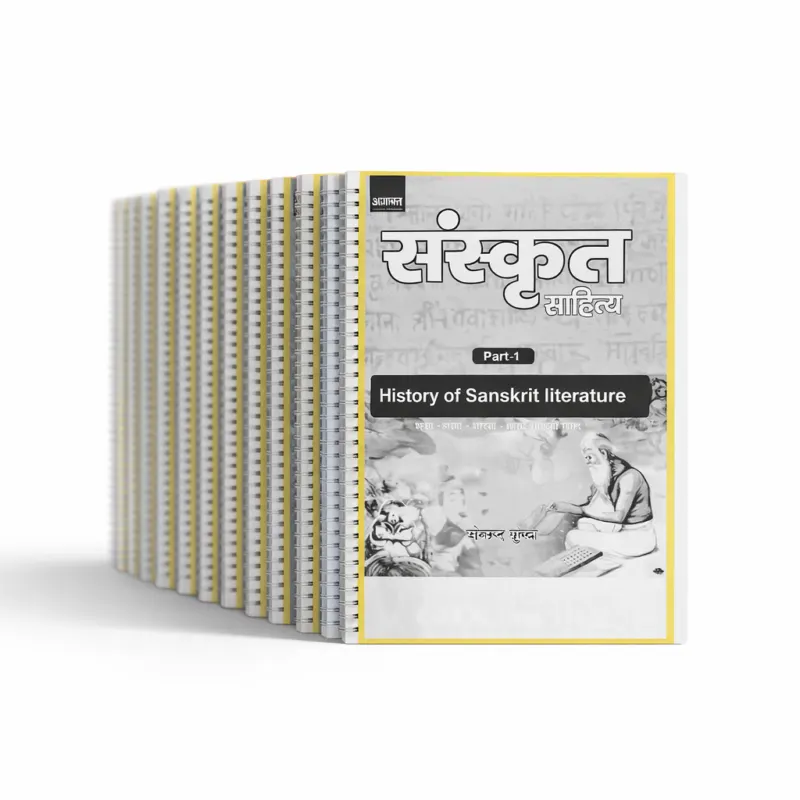
Panini Agam Sanskrit Sahitya Notes 2025-26 — 12 Hindi Medium Printed Booklets for UPSC Sanskrit Optional

Related: Panini Agam notes · Sanskrit optional

Product Overview

FeatureDetails
Booklets Count12 Individual Printed Booklets — Full UPSC Sanskrit Sahitya Optional Syllabus, Paper I and Paper II
LanguageHindi Medium (हिंदी माध्यम)
PublisherAgam Institute (अगम) — Panini Sanskrit Sahitya Series
Edition2025-26 — Latest Genuine Batch
ConditionBrand New, Unmarked, Fresh Stock
FormatHigh-Quality Printed Booklets — Spiral or Book Binding
Paper Quality75 GSM Ultra-White — Highlighter Safe, Zero Bleed-Through
ShippingPan India Delivery in 3-5 Business Days — Tracked
Also Useful ForBPSC, UPPSC, MPPSC, RAS and all State PSC Sanskrit optional aspirants

Complete Booklet Catalog

This 2-booklet set from Agam Institute’s Panini series covers the entire UPSC Sanskrit Sahitya optional syllabus — History of Sanskrit Literature from the Vedic period through classical, medieval, and modern phases — designed specifically for Hindi medium aspirants aiming to score high in the 500-mark optional papers. Whether you are a first-time optional selector or a repeater refining your preparation, these printed notes provide a structured, exam-focused pathway through one of UPSC’s most scoring optional subjects.

  • Booklet 1: वैदिक साहित्य — ऋग्वेद एवं अथर्ववेद — Covers the foundational Vedic texts including the Rigveda’s composition, hymns, deities, and cosmological themes; Atharvaveda’s unique character, magical formulas, philosophical hymns, and its place in Sanskrit literary tradition; detailed treatment of Vedic language, metre (छन्द), and the concept of Rishi-drashta composition as required by the UPSC optional syllabus.
  • Booklet 2: वैदिक साहित्य — सामवेद, यजुर्वेद एवं ब्राह्मण ग्रन्थ — In-depth analysis of Samaveda’s musical tradition and its relationship with Rigvedic hymns; Yajurveda’s ritual prose and two distinct recensions (Shukla and Krishna); comprehensive notes on Brahmana literature including Shatapatha, Aitareya, and Taittiriya Brahmanas; Aranyaka texts and their transitional role between ritualistic and philosophical thought.
  • Booklet 3: उपनिषद् एवं वेदाङ्ग साहित्य — Detailed coverage of the principal Upanishads — Brihadaranyaka, Chandogya, Kena, Katha, Isha, and Mundaka — their philosophical doctrines including Brahman-Atman identity, Neti-Neti method, and Panchagni Vidya; Vedanga literature including Shiksha, Vyakarana, Chandas, Nirukta, Jyotisha, and Kalpa with their significance in preserving Sanskrit textual tradition.
  • Booklet 4: रामायण एवं महाभारत — महाकाव्य साहित्य — Thorough analysis of Valmiki Ramayana — its composition, Uttarakanda debate, poetic style, Sarga structure, and Adikavi tradition; Mahabharata’s layered composition, Krishna-Dvaipayana Vyasa tradition, Harivamsa, embedded narratives, philosophical sections (Bhagavad Gita, Shanti Parva, Anushasana Parva), and their lasting influence on Sanskrit literary aesthetics and UPSC answer-writing perspectives.
  • Booklet 5: संस्कृत महाकाव्य — कालिदास एवं अन्य कवि — Focused study of Kalidasa’s Raghuvamsha and Kumarasambhava — their narrative arcs, poetic excellence, Riti characteristics, and UPSC-relevant analytical questions; coverage of Bharavi’s Kiratarjuniya, Magha’s Shishupalavadha (Mahakavya tradition), and Shriharsha’s Naishadhiyacharita; comparative literary analysis of these five Sanskrit Mahakavyas with their defining stylistic and thematic features.
  • Booklet 6: कालिदास का गद्य-पद्य एवं नाट्य साहित्य — Detailed notes on Kalidasa’s lyric poetry — Meghaduta and Ritusamhara — their structure, poetic devices (Upama, Rupaka, Utpreksha), and emotional register; treatment of Kalidasa’s dramas: Abhijnanashakuntalam, Vikramorvasiyam, and Malavikagnimitram; the conventions of Sanskrit drama (Natya Shastra tradition), Purvaranga, Sutradhara, and the Nayaka-Nayika typology as examined in UPSC optional papers.
  • Booklet 7: संस्कृत गद्य साहित्य — बाणभट्ट एवं दण्डी — Comprehensive coverage of Sanskrit prose literature beginning with Banabhatta’s Kadambari and Harshacharita — their ornate Vakrokti style, historical significance, and narrative techniques; Dandin’s Dashakumaracharita and its realistic portrayal of society; Subandhu’s Vasavadatta; the distinction between Gadyakavya forms — Katha, Akhyayika — and their relevance to answering UPSC optional questions on Sanskrit prose tradition.
  • Booklet 8: संस्कृत नाटक — भास, शूद्रक एवं विशाखदत्त — Analysis of Bhasa’s recovered dramas including Svapnavasavadattam and Pratijnyayaugandharayana; Shudraka’s Mricchakatika — its social realism, Nayaka characterisation, and departure from classical conventions; Vishakhadatta’s Mudrarakshasa and Devichandraguptam as political dramas; the Natya Shastra’s classification of drama types (Dasha Rupaka) and their application in UPSC Sanskrit optional answer writing.
  • Booklet 9: अलंकार शास्त्र एवं काव्यशास्त्र — Systematic notes on Sanskrit poetics and literary criticism — Rasa theory (Bharata’s Natyashastra, Abhinavagupta’s Abhinavabharati), Dhvani theory (Anandavardhana’s Dhvanyaloka), Riti theory (Vamana), Vakrokti (Kuntaka), and Auchitya (Kshemendra); classification of Gunas, Doshas, and Shabdalankaras and Arthalankaras with examples drawn directly from classical texts as required for UPSC answer enrichment.
  • Booklet 10: बौद्ध एवं जैन संस्कृत साहित्य — Coverage of Buddhist Sanskrit literary contributions — Ashvaghosa’s Buddhacharita and Saundarananda as Mahakavyas; Nagarjuna’s philosophical texts; Jataka tales in Sanskrit adaptations; Jain Sanskrit contributions including Hemachandra’s works, Apabhramsha literature, and Prakrit-Sanskrit interface; the role of Buddhist and Jain traditions in shaping classical Sanskrit literary norms and their UPSC optional examination significance.
  • Booklet 11: मध्यकालीन एवं आधुनिक संस्कृत साहित्य — Detailed study of medieval Sanskrit literature including Jayadeva’s Gitagovinda, Somadeva’s Kathasaritsagara, and Kshemendra’s works; regional Sanskrit literary traditions; modern Sanskrit literature from the 19th and 20th centuries — Satavalekar, Jagannatha Pathak, and contemporary Sanskrit poets; the revival of Sanskrit through academic and creative channels and its examination in UPSC Mains Sanskrit optional papers.
  • Booklet 12: संस्कृत व्याकरण एवं भाषा विज्ञान — पाणिनि से आधुनिक काल तक — Notes on Panini’s Ashtadhyayi — its sutra structure, Pratyahara system, and influence on Sanskrit language standardisation; Patanjali’s Mahabhashya and Katyayana’s Varttikas as commentarial tradition; Bhartrhari’s Vakyapadiya and Sphotavada theory; comparative notes on Sanskrit grammar schools and their contribution to Indian linguistic thought; application questions for UPSC Paper II grammar-based sections.

In-Depth Content Breakdown: Booklet by Booklet

Booklet 1: वैदिक साहित्य — ऋग्वेद एवं अथर्ववेद

The Rigveda and Atharvaveda form the bedrock of the UPSC Sanskrit Sahitya optional syllabus, and this booklet addresses both with the depth required for high-scoring answers. The Rigveda section covers its ten Mandalas, the family books, the philosophical Nasadiya Sukta, and the Purusha Sukta — all frequently examined in UPSC Mains. The Atharvaveda’s distinct character as a text of popular religion, healing hymns, and cosmological speculation is treated separately, allowing aspirants to clearly differentiate between the four Vedas in their optional answers.

What sets this booklet apart for Hindi medium UPSC aspirants is the presentation of complex Vedic themes — Rta, Yajna, Devatavad — in clear, answer-ready Hindi prose that can be directly adapted for Mains writing. Important Suktas are quoted in Sanskrit with Hindi explanation, enabling aspirants to incorporate textual evidence in their answers. Comparative tables between Rigvedic and Atharvavedic worldviews, a timeline of Vedic composition, and margin notes highlighting frequently asked UPSC questions make this an essential starting point in the 2-booklet set.

Booklet 2: वैदिक साहित्य — सामवेद, यजुर्वेद एवं ब्राह्मण ग्रन्थ

This booklet deepens the Vedic literature coverage by addressing the Samaveda’s unique position as the foundation of Indian classical music and its liturgical use in Soma sacrifices. The Yajurveda section carefully distinguishes between the Shukla (White) and Krishna (Black) recensions — a distinction UPSC examiners frequently test — and explains the prose-poetry mix that characterises this Veda. The Brahmana literature section is particularly strong, covering Shatapatha Brahmana, Aitareya Brahmana, and Taittiriya Brahmana with focus on their ritualistic narratives and embedded mythological content.

The Aranyaka texts — often underrepresented in competitor notes — receive dedicated treatment here, including their transitional philosophical character bridging ritualistic Brahmana thought and the speculative Upanishadic tradition. The booklet uses structured comparison charts to help aspirants distinguish Brahmana, Aranyaka, and Upanishad literature — a common source of confusion in UPSC optional answers. Hindi medium aspirants will find the technical Sanskrit terminology explained in both Devanagari and transliterated form, with model answer outlines provided for the most frequently repeated UPSC questions on this segment.

Booklet 3: उपनिषद् एवं वेदाङ्ग साहित्य

The Upanishads represent the philosophical crown of Vedic literature, and this booklet covers all twelve principal Upanishads with the analytical depth the UPSC Sanskrit optional demands. Brihadaranyaka and Chandogya — the two oldest and longest — receive the most extensive treatment: Yajnavalkya-Maitreyi dialogue, Satyakama Jabala episode, Panchagni Vidya, and the Tat-Tvam-Asi doctrine are all covered with Sanskrit citations and Hindi commentary. The Kena, Isha, Katha, Mundaka, and Mandukya Upanishads are addressed with their central philosophical arguments and poetic characteristics clearly articulated.

The Vedanga section covers all six limbs of the Veda — Shiksha, Vyakarana, Chandas, Nirukta, Jyotisha, and Kalpa — with their practical functions in preserving and transmitting the Vedic corpus. Yaska’s Nirukta is highlighted as a pioneering work in Sanskrit etymology and literary interpretation, and the booklet draws clear connections between Vedanga scholarship and later developments in Sanskrit poetics (Kavyashastra). A special table summarising each Vedanga’s primary text, author, and UPSC examination relevance is provided for quick revision by Hindi medium aspirants.

Booklet 4: रामायण एवं महाभारत — महाकाव्य साहित्य

This booklet addresses the two greatest Sanskrit epics with the balance of literary analysis and historical contextualisation that UPSC optional answers require. The Valmiki Ramayana section covers all seven Kandas, the Adikavi tradition, Valmiki’s poetic innovations (the Krauncha bird episode as the origin of Shloka metre), characterisation of Rama as Maryada Purushottam, and the contested status of the Uttarakanda. Special attention is given to the distinction between the Valmiki Ramayana and later Ramakatha traditions — a nuanced point that scores well in UPSC answers.

The Mahabharata coverage spans its layered composition theory (Jaya-Bharata-Mahabharata), the philosophical content of the Bhagavad Gita, the didactic Shanti Parva, and the embedded narratives (Nala-Damayanti, Savitri-Satyavan, Shakuntala). The booklet includes a dedicated section on the Harivamsa as the Mahabharata’s appendix (Khila) and its contribution to Puranic literature. Flowcharts tracing the genealogy of epic characters and thematic tables comparing Ramayana and Mahabharata as literary and cultural documents are included for UPSC aspirants who need quick-reference revision material.

Booklet 5: संस्कृत महाकाव्य — कालिदास एवं अन्य कवि

Sanskrit Mahakavya literature is one of the most heavily examined segments of the UPSC optional syllabus, and this booklet covers all five canonical Mahakavyas with careful literary analysis. Kalidasa’s Raghuvamsha is treated canto by canto with its genealogical narrative, poetic devices, and philosophical underpinnings; Kumarasambhava receives parallel treatment focusing on the Shiva-Parvati narrative and Kalidasa’s mastery of Upama. Bharavi’s Kiratarjuniya is analysed for its Arthabahula (meaning-density) style, and Magha’s Shishupalavadha for its poetic virtuosity and Chitra Kavya experiments.

Shriharsha’s Naishadhiyacharita — famous for its extreme ornate style and philosophical depth — is covered with model answer structures that help aspirants navigate its complexity in UPSC examination conditions. A comparative table of all five Mahakavyas listing their heroes, narrative sources, characteristic styles, and defining poetic qualities is one of the booklet’s most useful quick-revision tools. The Hindi medium presentation ensures that technical Sanskrit poetic terms (Ojas, Prasad, Madhurya Guna) are explained accessibly without loss of academic rigour essential for UPSC optional scoring.

Booklet 6: कालिदास का गद्य-पद्य एवं नाट्य साहित्य

Kalidasa’s lyric and dramatic works occupy a central place in UPSC Sanskrit optional, and this dedicated booklet ensures that aspirants develop both the literary knowledge and the analytical vocabulary needed to score in the top bracket. Meghaduta — divided into Purvamegha and Uttaramegha — is treated with analysis of its Mandakranta metre, the Yaksha-Virahinee relationship, geographic description of India’s landscape, and its influence on later Sanskrit Sandeshakavya tradition. Ritusamhara’s seasonal descriptions and their poetic function are also addressed with model answer frameworks.

The dramatic works — Abhijnanashakuntalam, Vikramorvasiyam, and Malavikagnimitram — are analysed using the technical vocabulary of Natya Shastra: the Rasa theory, the five-act structure, Sutradhara’s role, and the use of Sanskrit and Prakrit for different characters. Abhijnanashakuntalam receives the most extensive treatment, including Dushyanta’s characterisation, the curse-recognition-reunion plot structure, and Abhinavagupta’s commentary on its Shringara Rasa. UPSC aspirants will find the inclusion of key Sanskrit shlokas with Hindi translation and literary commentary particularly useful for answer enrichment.

Booklet 7: संस्कृत गद्य साहित्य — बाणभट्ट एवं दण्डी

Sanskrit prose literature (Gadyakavya) is a distinctive and often challenging section of the UPSC optional syllabus, and this booklet provides the clearest available treatment in Hindi medium. Banabhatta’s Harshacharita — the first Sanskrit historical biography — is covered for its historical content (Harsha’s early life, rise to power, court culture) and its literary style (Banabhatta’s famous compound-heavy sentences, use of Vakrokti, and self-referential prologue). Kadambari — considered the world’s first novel by some scholars — is analysed for its complex narrative framing, characterisation, and Adbhuta Rasa.

Dandin’s Dashakumaracharita receives detailed treatment as a prose narrative reflecting the social diversity of classical India — its ten princes’ adventures cover urban life, crime, romance, and philosophy. The booklet defines and distinguishes Katha, Akhyayika, and Champukavya (mixed prose-poetry) forms with examples, a frequent area of UPSC examination. Subandhu’s Vasavadatta and its notorious difficulty are addressed with explanatory notes on its pun-heavy style (Shrleshanvita). Model answers for standard UPSC questions on Sanskrit prose tradition are provided throughout this booklet.

Booklet 8: संस्कृत नाटक — भास, शूद्रक एवं विशाखदत्त

This booklet addresses the pre-Kalidasa and parallel dramatic traditions — an area where many aspirants lack confidence. Bhasa’s thirteen recovered dramas (discovered by T. Ganapati Shastri in 1912) are covered with attention to Svapnavasavadattam and Pratijnyayaugandharayana as his finest works; the booklet also discusses the scholarly debate around Bhasa’s authorship and dating, which UPSC optional answers are expected to acknowledge. The distinctive features of Bhasa’s dramaturgy — violation of Natya Shastra conventions, tragic elements, and simple dialogue — are highlighted with examples.

Shudraka’s Mricchakatika is analysed as Sanskrit drama’s most socially realistic work — its courtesan heroine Vasantasena, the villain Shakara, the Brahmin gambler Charudatta, and the political subplot involving Aryaka are all covered in detail. Vishakhadatta’s Mudrarakshasa — a political drama centered on Chanakya’s statecraft — is particularly important for UPSC because it intersects with political history, and this booklet provides both literary analysis and historical context. A Dasha Rupaka classification table (the ten types of Sanskrit drama) provides quick-revision reference for examination day.

Booklet 9: अलंकार शास्त्र एवं काव्यशास्त्र

Sanskrit literary criticism (Kavyashastra or Alankara Shastra) is examined heavily in UPSC Sanskrit optional Paper II, and this booklet provides the most systematic Hindi medium coverage of this complex field. The Rasa theory is covered from Bharata’s Natyashastra original formulation through Abhinavagupta’s expansion in Abhinavabharati — including Sadharanikarana (generalisation of emotion), Vibhava-Anubhava-Vyabhichari Bhava structure, and the debate on Shanta Rasa. Anandavardhana’s Dhvani theory (suggestion as the soul of poetry) is treated with examples from Kalidasa and Amaru.

The competing schools of Sanskrit poetics — Riti (Vamana), Vakrokti (Kuntaka), Auchitya (Kshemendra), and Anumana (Mahimabhatta) — are each given dedicated treatment with their central arguments, key texts, and limitations. Figures of speech (Shabdalankara and Arthalankara) are listed and exemplified systematically. This booklet includes a valuable comparative chart of all major Kavyashastra schools, their founders, central concepts, and primary texts — exactly the kind of structured reference that helps Hindi medium aspirants write organised, mark-scoring UPSC optional answers on literary theory.

Booklet 10: बौद्ध एवं जैन संस्कृत साहित्य

Buddhist and Jain contributions to Sanskrit literature represent an important but often overlooked portion of the UPSC Sanskrit Sahitya optional syllabus, and this booklet addresses the gap directly. Ashvaghosa — considered the first great Sanskrit poet after Vedic literature — is covered for both Buddhacharita (biography of the Buddha as Mahakavya) and Saundarananda (narrative of Nanda’s conversion) with attention to his poetic techniques and historical significance as a bridge between Vedic and classical Sanskrit traditions. The booklet also covers Ashvaghosa’s dramatic fragments discovered at Turfan.

Jain Sanskrit literature receives equal coverage: Hemachandra’s Trishashthishalakapurushacharita (biographies of Jain great souls), his Apabhramsha grammar (a pioneering work in Middle Indo-Aryan linguistics), and his role as the polymath of the Gujarat Chaulukya court are all addressed. The interface between Prakrit, Apabhramsha, and Sanskrit in Jain literary culture is explained in accessible Hindi with linguistic examples. The booklet concludes with a thematic essay on how Buddhist and Jain literary patronage diversified Sanskrit’s thematic range and influenced its spread across South and Southeast Asia — an important perspective for UPSC optional answers.

Booklet 11: मध्यकालीन एवं आधुनिक संस्कृत साहित्य

Medieval Sanskrit literature is covered in this booklet with focus on the major works that UPSC optional papers regularly examine. Jayadeva’s Gitagovinda — the 12th-century lyrical poem on Krishna-Radha — is analysed for its Ashtapadi structure, Panchali Riti, devotional Shringara, and its influence on classical dance and music traditions; the booklet includes the most quoted Ashtapadis with Hindi commentary. Somadeva’s Kathasaritsagara (Ocean of Stories) — the largest collection of tales in world literature — is covered for its frame narrative (Vidyadhara cycle), its source (Gunadhya’s Brihatkatha), and its cultural significance as a mirror of medieval Indian society.

Modern Sanskrit literature from the 19th century onward is an often-neglected area where this booklet provides valuable coverage: the Bengali Sanskrit renaissance (Ishwarchandra Vidyasagar’s Sanskrit scholarship), the Maharashtra tradition, and 20th-century Sanskrit poets writing original creative works. Contemporary Sanskrit organisations, Sahitya Akademi awards for Sanskrit writing, and the ongoing tradition of Sanskrit newspapers and radio broadcasts in India are noted with their UPSC optional examination relevance. This booklet helps aspirants answer questions on Sanskrit’s continuity as a living literary language — a perspective that adds depth to UPSC answers.

Booklet 12: संस्कृत व्याकरण एवं भाषा विज्ञान — पाणिनि से आधुनिक काल तक

The final booklet in the Agam Panini Sanskrit Sahitya series addresses Sanskrit grammar and linguistics — the technical backbone of the optional syllabus and the area most crucial for Paper II performance. Panini’s Ashtadhyayi — universally recognised as the world’s first scientific grammar — is covered with its sutra organisation, the Pratyahara (abbreviation) system, Anuvritta (recurrence) principle, and the debate on its dating and authorship. The booklet explains how Panini’s grammar effectively froze and standardised Classical Sanskrit, distinguishing it from the freer Vedic language, and why this transformation matters for literary history.

Patanjali’s Mahabhashya and Katyayana’s Varttika are covered as the two major commentarial responses to Panini — together forming the Munitraya (three sages of Sanskrit grammar). Bhartrhari’s Vakyapadiya and its Sphotavada theory (the indivisible, eternal word-unit as the vehicle of meaning) receive detailed philosophical treatment, as this is a common UPSC examination topic at the intersection of grammar and philosophy. The booklet concludes with comparative notes on other Sanskrit grammar traditions (Chandra, Jainendra, Katantra) and their significance, giving aspirants the broad grammatical-historical perspective that UPSC optional examiners reward.

Physical Construction and Quality Standards

These 12 printed booklets are manufactured to the standards required by serious UPSC optional aspirants who study 8-10 hours daily and need notes that last through multiple revision cycles without deteriorating in quality — from first reading to final pre-examination revision.

Paper Quality: 75 GSM Anti-Glare White Paper

Each booklet in the Agam Panini Sanskrit Sahitya 2025-26 series is printed on 75 GSM ultra-white paper selected specifically for its high opacity and smooth surface. The paper is fully highlighter-safe — all standard highlighter colours (yellow, orange, pink, green, blue) and gel pens work cleanly without bleed-through to the reverse side. This is essential for UPSC optional aspirants who rely on colour-coded revision systems. The anti-glare surface reduces eye strain during extended study sessions under tube lights or desk lamps, making these booklets comfortable for the long hours that Sanskrit Sahitya optional preparation demands.

Printing Technology: High-Resolution Laser Printing

All text, Devanagari Sanskrit characters, diacritical marks, tables, comparison charts, and flowcharts in this 2-booklet set are printed using high-resolution laser printing technology. Laser toner produces sharp, smudge-proof output that does not degrade with touch or humidity — critical for UPSC aspirants who annotate their notes extensively. Sanskrit text in Devanagari script requires particularly fine printing resolution to preserve the clarity of vowel markers (matras) and conjunct consonants, and the laser printing in these booklets ensures complete legibility even at smaller font sizes used for supplementary information and margin notes.

Binding and Durability

The Agam Panini Sanskrit Sahitya booklets are available in spiral binding or book binding depending on batch. Spiral-bound booklets open completely flat — an important feature for UPSC optional aspirants who write parallel notes alongside the printed text, as the spine does not create an obstacle. Book-bound booklets offer compact storage in stacks or shelves and a professional appearance for classroom use. Both binding formats use a 300 GSM laminated cover that protects the booklet from moisture, bending, and daily handling. The binding is stress-tested to withstand the repeated opening and closing that intensive UPSC revision demands over months of preparation.

Key Features and Study Design

The Agam Panini Sanskrit Sahitya notes are designed from the ground up for UPSC optional examination success — every structural decision, from booklet sequencing to margin layout to Sanskrit quotation density, reflects the specific demands of scoring in a 500-mark optional paper.

  • UPSC Syllabus Alignment: Every booklet maps directly to the UPSC Sanskrit Sahitya optional syllabus topics for both Paper I (History of Sanskrit Literature) and Paper II (Sanskrit language and grammar). No off-syllabus content, no syllabus gaps — aspirants can be confident they are covering exactly what UPSC examiners expect.
  • Sanskrit Quotations with Hindi Commentary: Key verses and prose passages from canonical Sanskrit texts are quoted in Devanagari with Hindi translation and literary analysis. This dual-language approach allows Hindi medium aspirants to cite textual evidence in their UPSC answers — a practice that significantly raises optional scores according to top rankers.
  • Comparative Tables and Charts: Throughout the 2 Booklets, structured comparison tables contrast literary schools, poetic theorists, grammar traditions, and dramatic conventions. These are designed for quick revision in the final weeks before UPSC Mains and help aspirants organise information that would otherwise require extensive note-making.
  • Model Answer Frameworks: Each booklet includes margin notes and dedicated sections suggesting answer structures for frequently repeated UPSC optional questions. These model frameworks help aspirants translate their content knowledge into well-organised, time-efficient Mains answers within the 150-200 word limits typically required.
  • Chronological and Thematic Organisation: The 2-booklet sequence follows the UPSC syllabus chronology — Vedic to medieval to modern — while thematic cross-references help aspirants see connections between literary periods, poetic theories, and grammatical traditions. This dual organisation supports both first-time reading and selective topic-wise revision before UPSC Mains.

Shipping, Packaging and Delivery

All 2 Booklets of the Agam Panini Sanskrit Sahitya 2025-26 set are individually shrink-wrapped before being placed together in a corrugated cardboard box with edge protectors at all four corners. A bubble-wrap inner layer protects the booklet covers from moisture and impact during transit. The outer box is sealed with reinforced tape and labelled with your order details. This packaging method ensures that the booklets arrive in the same brand-new, unmarked condition in which they leave our Mukherjee Nagar, Delhi warehouse — regardless of how far they travel across India or what conditions they encounter in transit.

We deliver pan India in 3-5 business days through tracked courier services. Your tracking ID is shared via WhatsApp and email within 24 hours of dispatch so you can monitor delivery progress in real time. For any query about your order — including missing booklets, damaged packaging, or delivery status — WhatsApp us at +91 70045 49563 and we respond within a few hours during business days. If any booklet in the set is found missing or damaged on arrival, we replace it within 48 hours at no additional cost. Buy with complete confidence — your UPSC Sanskrit Sahitya optional preparation investment is protected.

Frequently Asked Questions (FAQ)

Q1: Is Panini Agam Sanskrit Sahitya notes good for UPSC optional preparation in Hindi medium?

A: Yes — the Agam Panini Sanskrit Sahitya 2025-26 series is among the most structured Hindi medium printed resources available for UPSC Sanskrit optional. The 2-booklet set covers the full History of Sanskrit Literature syllabus with Sanskrit text citations, Hindi commentary, and model answer frameworks specifically designed for the UPSC Mains examination format. Hindi medium aspirants find this series particularly effective because technical literary and grammatical concepts are explained clearly in Hindi without sacrificing academic depth required for scoring in the optional papers.

Q2: How many booklets are included in Agam Sanskrit Sahitya notes 2025-26?

A: This set contains exactly 12 printed booklets covering the complete UPSC Sanskrit Sahitya optional syllabus — from Vedic literature (Rigveda through Upanishads) to epic literature (Ramayana, Mahabharata), classical Sanskrit Mahakavyas, Sanskrit drama, prose literature (Gadyakavya), Kavyashastra, Buddhist and Jain Sanskrit contributions, medieval and modern Sanskrit literature, and Sanskrit grammar from Panini to Bhartrhari. All 2 Booklets are shipped together in a single parcel at no additional cost for multiple booklets.

Q3: Are Agam Institute notes sufficient for UPSC Sanskrit optional paper?

A: The Agam Panini Sanskrit Sahitya notes are designed to be the primary study resource for UPSC Sanskrit optional, covering all syllabus topics with the depth and analytical approach that UPSC examiners expect. Most serious aspirants use these printed notes as the foundation and supplement with direct reading of primary texts (Kalidasa, Valmiki excerpts) and past UPSC optional question practice. For the vast majority of topics, the 2 Booklets provide more than sufficient content — aspirants consistently report these notes as covering areas that are difficult to find treated adequately in any single published book.

Q4: What topics are covered in Panini Sanskrit Sahitya 2 Booklets?

A: The 2 Booklets cover: Vedic literature (Rigveda, Atharvaveda, Samaveda, Yajurveda, Brahmanas, Aranyakas), Upanishads and Vedangas, Ramayana and Mahabharata, Sanskrit Mahakavyas (Kalidasa, Bharavi, Magha, Shriharsha), Kalidasa’s lyrics and drama, Sanskrit prose (Banabhatta, Dandin), Sanskrit drama (Bhasa, Shudraka, Vishakhadatta), Kavyashastra (Rasa, Dhvani, Riti theories), Buddhist and Jain Sanskrit literature, medieval and modern Sanskrit, and Sanskrit grammar from Panini’s Ashtadhyayi through Bhartrhari’s Vakyapadiya. This spans the complete UPSC Sanskrit optional syllabus for both papers.

Q5: Is Sanskrit Sahitya a good optional subject for UPSC in Hindi medium?

A: Sanskrit Sahitya is considered one of the scoring optional subjects for aspirants with a strong background in Sanskrit literature and language. As a 500-mark optional, consistent performance in both papers can significantly impact final UPSC rank. Hindi medium aspirants with a Sanskrit academic background (BA, MA Sanskrit) find it particularly accessible because the subject rewards deep textual knowledge over current-affairs awareness. The availability of quality Hindi medium resources like these Agam Panini notes makes the subject more preparation-friendly for Hindi medium UPSC aspirants than in previous years.

Q6: What is the price of Agam Panini Sanskrit Sahitya notes 2025-26?

A: The current price of the complete 2-booklet Agam Panini Sanskrit Sahitya 2025-26 set is displayed on this product page and includes all 2 Booklets shipped together. The price reflects the cost of genuine 2025-26 edition printed notes on 75 GSM paper with high-quality binding — not photocopies or scanned printouts. Given that the Sanskrit optional accounts for 500 marks in UPSC Mains, this printed notes set represents a high-value investment in your examination preparation. Shipping is tracked and pan India, reaching you in 3-5 business days after dispatch.

Q7: Are these notes updated for UPSC 2025-26 syllabus?

A: Yes — these are genuine 2025-26 edition booklets reflecting the current UPSC Sanskrit Sahitya optional syllabus. The Agam Panini series is updated each academic year to incorporate any syllabus refinements, new scholarly perspectives on Sanskrit literary history, and feedback from aspirants who have appeared in recent UPSC Mains examinations. When you buy from our store, you receive current batch notes — not old stock from previous years. The cover clearly displays 2025-26 edition marking, and we never substitute old editions when current stock is ordered.

Q8: What is the paper quality? Can I use a highlighter?

A: These booklets use 75 GSM ultra-white paper chosen for high opacity — multiple highlighter colors and gel pens work without bleed-through to the reverse side, ideal for color-coded revision. The paper surface is smooth enough for fine-tip pens and thick enough to prevent ink show-through. The anti-glare white finish reduces eye strain during extended Sanskrit optional study sessions. UPSC aspirants who use elaborate colour-coding systems for literary periods, poetic schools, and grammatical traditions will find this paper quality fully compatible with their annotation style.

Q9: How does Agam Sanskrit Sahitya notes compare to other institute notes?

A: The Agam Panini Sanskrit Sahitya series distinguishes itself through its systematic 2-booklet organisation that follows UPSC syllabus sequence, its inclusion of Sanskrit text citations with Hindi commentary (rare in Hindi medium notes), its dedicated Kavyashastra booklet covering all major poetic schools, and its grammar booklet that specifically addresses UPSC Paper II requirements. Many Hindi medium aspirants report that competing institute notes either lack Sanskrit textual quotations or treat Kavyashastra and grammar inadequately — both areas where the Agam series provides noticeably stronger coverage.

Q10: Where can I buy Panini Agam Sanskrit Sahitya notes online?

A: You can buy the complete Agam Panini Sanskrit Sahitya 2025-26 printed notes set directly from this product page — add to cart and complete your order for pan India delivery in 3-5 business days. This is the official online listing for genuine printed booklets. We ship from our Mukherjee Nagar, Delhi store, which has been supplying UPSC aspirants with authentic institute notes for years. For bulk orders or queries before you buy, WhatsApp us at +91 70045 49563. Avoid purchasing from unauthorised resellers to ensure you receive genuine 2025-26 edition booklets.

Q11: Are these notes also useful for state PSC Sanskrit optional examinations?

A: Yes — while these booklets are designed primarily for UPSC Sanskrit Sahitya optional, the content is directly applicable to state PSC Sanskrit optional papers as well. BPSC, UPPSC, MPPSC, and RAS Sanskrit optional syllabuses share significant overlap with the UPSC syllabus, particularly in History of Sanskrit Literature, Kavyashastra, and Sanskrit grammar sections. Aspirants preparing for state PSC Sanskrit optional alongside UPSC preparation will find these 2 Booklets cover the core content required for both. The Hindi medium presentation is also well-suited for state PSC aspirants from Hindi-speaking states.

Q12: What happens if a booklet is missing or damaged when I receive the package?

A: If any of the 2 Booklets is missing from your parcel or arrives with physical damage (torn pages, binding failure, printing defects), contact us immediately on WhatsApp at +91 70045 49563 with a photo of the packaging and affected booklet. We will dispatch a replacement booklet within 48 hours at no charge to you. Our packaging uses shrink-wrap, bubble wrap inner lining, and reinforced corrugated boxes specifically to prevent transit damage. In the rare event a problem occurs, our replacement guarantee ensures your UPSC Sanskrit optional preparation is not disrupted.

Summary

SpecificationValue
Booklets12 Printed Booklets
LanguageHindi Medium (हिंदी माध्यम)
SeriesAgam Institute — Panini Sanskrit Sahitya Series
Edition2025-26 — Latest Batch
Paper75 GSM Ultra-White, Highlighter Safe
BindingSpiral or Book Binding, 300 GSM Cover
Delivery3-5 Business Days Pan India — Tracked
ExamUPSC Mains — Sanskrit Sahitya Optional (500 Marks)
Also Useful ForBPSC, UPPSC, MPPSC, RAS and all State PSC Sanskrit optional

Sold and dispatched from our store in Mukherjee Nagar, Delhi — India’s UPSC preparation hub. Buy online today and receive your complete 2-booklet Agam Panini Sanskrit Sahitya 2025-26 set with pan India delivery in 3-5 days.

Reference: UPSC official syllabus

Customer Reviews 222

4.5
Based on 222 reviews
5★
132
4★
66
3★
24
2★
0
1★
0
R
Rohit Verma
23 Apr 2026
✓ Verified

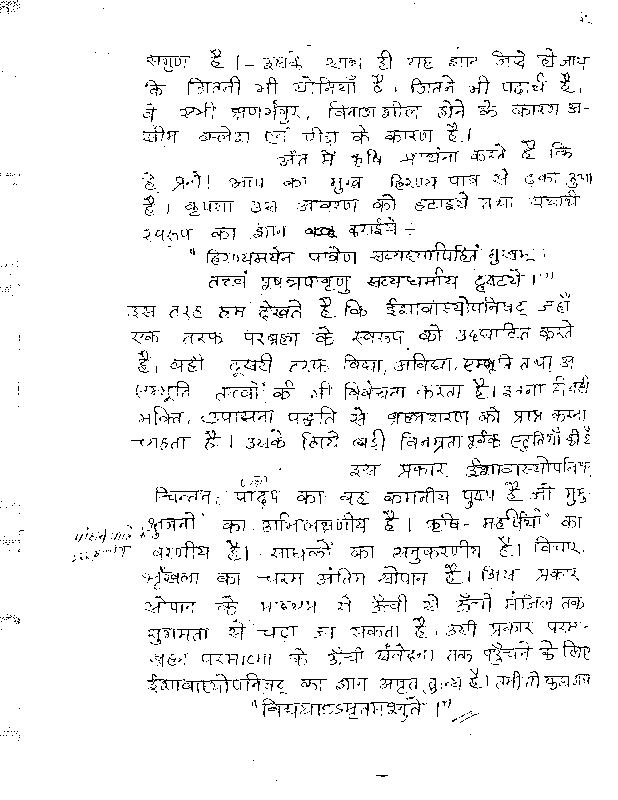
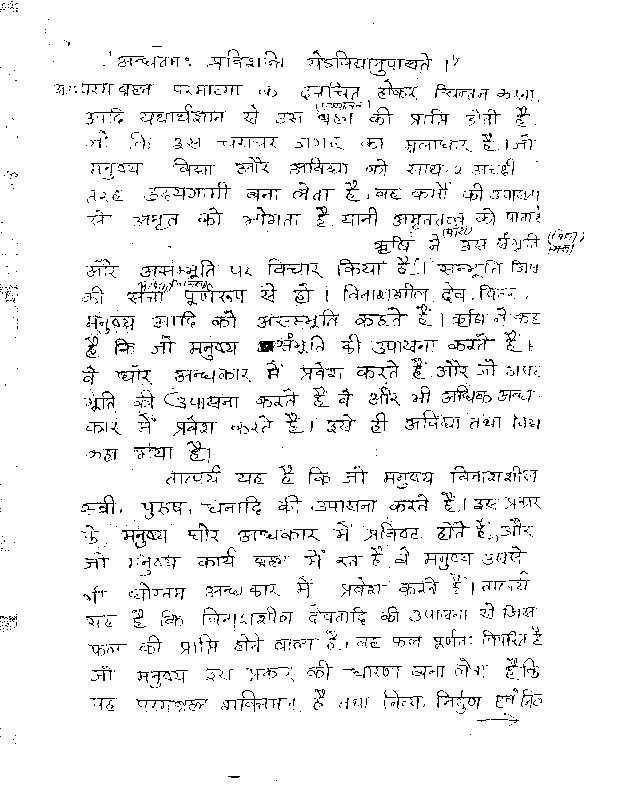
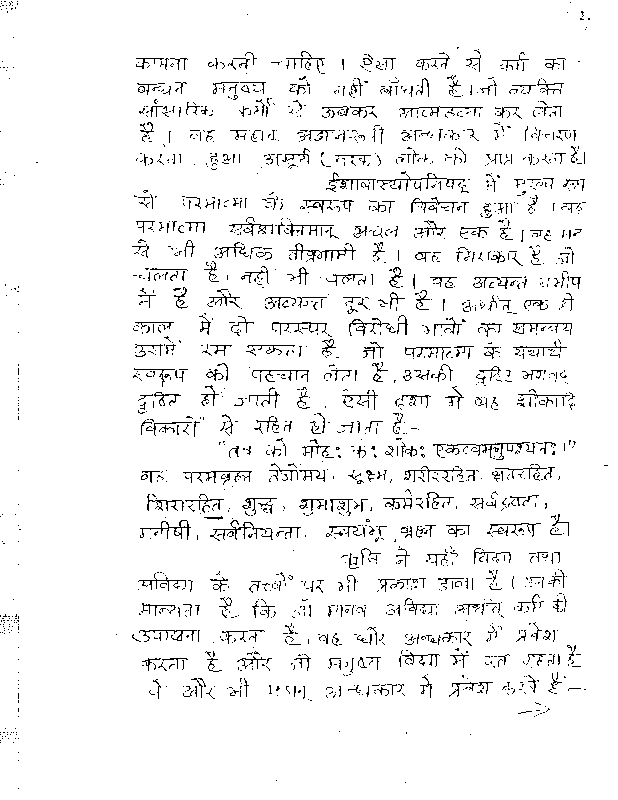
Booklets mil gaye but handwriting thode difficult tha samajhne mein.

P
Priya Menon
21 Apr 2026
✓ Verified

These booklets are game-changing for UPSC aspirants. Panini ke concepts itne clearly explain hue hain.

P
Pooja Desai
20 Apr 2026
✓ Verified

Bohot comprehensive aur well-structured notes hain, sabko recommend kar sakte ho.

A
Amit Patel
19 Apr 2026
✓ Verified

Padhne mein aasan aur to the point.

N
Neha Sharma
18 Apr 2026
✓ Verified

Best investment for Sanskrit preparation yaar!

N
Nikhil Joshi
14 Apr 2026
✓ Verified

Content quality is outstanding, highly recommended for aspirants.

S
Suresh Tiwari
13 Apr 2026
✓ Verified

Fantastic product!

M
Meera Joshi
08 Apr 2026
✓ Verified

Notes ki clarity acha hai aur packing bhi safe tha. Sabkuch theek hai!

🛍️

Aspirants Also Bought

More from the same category

View All

About Panini Sanskrit Sahitya Notes 2025-26

Panini Sanskrit Sahitya Notes 2025-26 is a highly recommended UPSC study material from Panini UPSC Publications, specially designed for Sanskrit Literature Optional preparation. Available in Sanskrit with English/Hindi Explanatory Annotations medium, this material is crafted to match the exact requirements of the UPSC Civil Services Examination syllabus — covering both Prelims and Mains comprehensively.

Product Details

  • Institute: Panini UPSC Publications
  • Subject: Sanskrit Literature Optional
  • Medium: Sanskrit with English/Hindi Explanatory Annotations
  • Format: Premium Printed Loose-Leaf/Spiral Bound Hybrid
  • Delivery: Pan-India delivery in 3–5 working days
  • Format: Original printed material, verified authentic

Why Buy from UPSC Store?

  • 100% Genuine Printed Material — Original printed notes, no photocopies or fake copies
  • Fast Delivery — Ships within 24 hours, arrives in 3–5 days pan-India
  • Secure Packaging — Bubble-wrapped and boxed to prevent damage in transit
  • Trusted by 10,000+ Aspirants — India's most reliable UPSC material marketplace
  • WhatsApp Support — Get expert guidance on material selection before ordering

Frequently Asked Questions

Is this product 100% original?

Yes, all products at UPSC Store are 100% genuine printed materials. We do not sell photocopies or fake copies.

How long does delivery take?

Orders are dispatched within 24 hours and delivered across India in 3–5 working days via reputed courier partners.

Can I return the product?

Yes, we accept returns within 7 days if the product is damaged or incorrect. Check our refund policy for details.

Which other study materials should I buy with this?

We recommend pairing this with current affairs notes and a UPSC test series for comprehensive preparation. Browse more in Optional, Sanskrit, UPSC.