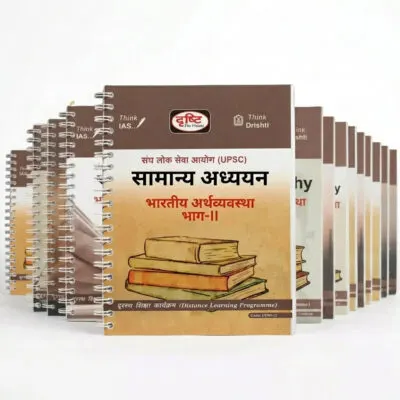
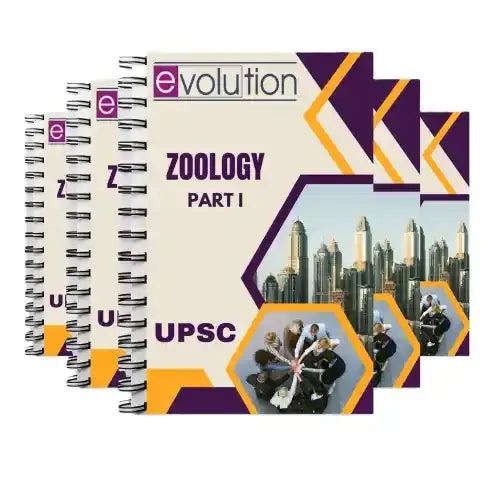
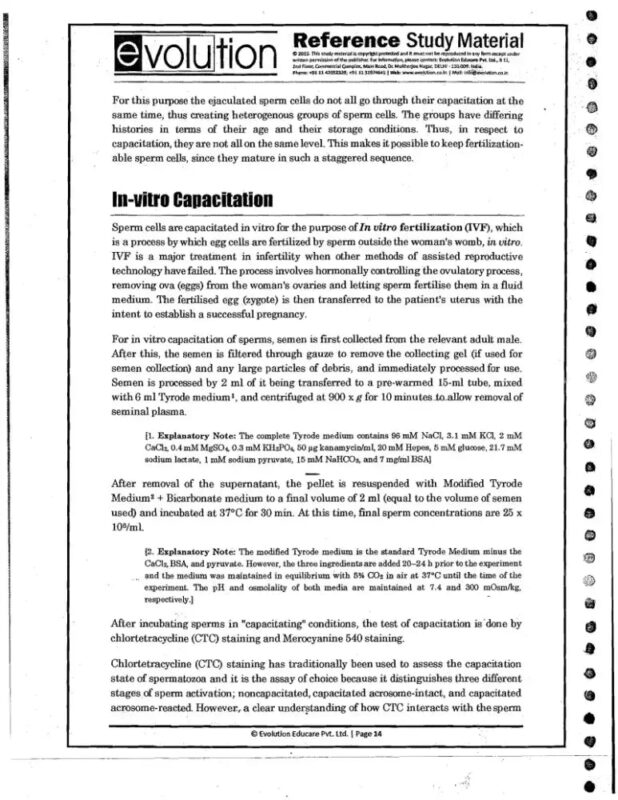
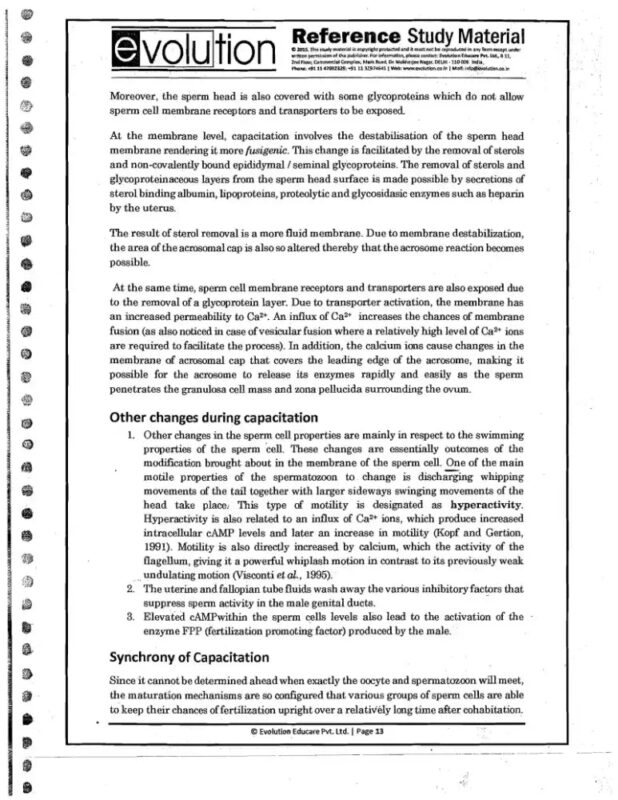
Evolution IAS Zoology Notes 2025-26

16 Booklets | English Medium | UPSC Study Material

Key Highlights:
📘 16 Booklets
📚 Zoology
🏷️ Printed
🇬🇧 English Medium
₹2,788
🌀 spiral
📘 book-binding
Only 27 sets left
Selling fast (50 sold this week)
5% OFF Use UPSC5% (COD Available)
10% OFF Use UPI10 (UPI Only)
Secure Payment
Fast Delivery
Safe Packaging

About Evolution IAS Zoology Notes 2025-26

The Evolution IAS Zoology Notes 2025-26 is a printed UPSC study material set sold by UPSC Store — India’s trusted source for genuine, latest-batch civil services preparation books. This page covers full booklet details, syllabus coverage, pricing, shipping, and frequently asked questions. Useful for UPSC CSE, BPSC, UPPSC, MPPSC, RAS and other state PSC examinations.

Evolution IAS Zoology Notes 2025-26 — 14 English Medium Printed Booklets for UPSC Zoology Optional

Related: Evolution IAS notes · Zoology optional

Product Overview

FeatureDetails
Booklets Count14 Individual Printed Booklets — Full UPSC Zoology Optional Syllabus (Paper I and Paper II)
LanguageEnglish Medium
PublisherEvolution IAS (Evolution Reference Study Material Series)
Edition2025-26 — Latest Genuine Batch
ConditionBrand New, Unmarked, Fresh Stock
FormatHigh-Quality Printed Booklets — Spiral or Book Binding
Paper Quality75 GSM Ultra-White — Highlighter Safe, Zero Bleed-Through
ShippingPan India Delivery in 3-5 Business Days — Tracked
Also Useful ForBPSC, UPPSC, MPPSC, RAS, JPSC and all State PSC Zoology Optional candidates

Complete Booklet Catalog

This 16-booklet set from Evolution IAS covers the entire UPSC Zoology optional syllabus across Paper I and Paper II, structured to align exactly with the official UPSC Mains pattern. Designed for science graduates appearing in UPSC CSE Mains, these printed notes allow systematic topic-by-topic mastery of one of the most scoring optional subjects in the civil services examination.

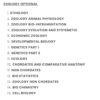
  • Booklet 1: Non-Chordata and Chordata (Classification and Morphology) — Classification of invertebrates and vertebrates, morphological features, evolutionary significance, phylum-wise characteristic traits, comparative anatomy of major phyla, phylogenetic relationships, key taxonomic characters used in identification, and origin of major animal groups from Protozoa to Hemichordata.
  • Booklet 2: Non-Chordata and Chordata (Physiology and Adaptations) — Physiological processes in invertebrates and lower chordates, adaptive radiation, aquatic and terrestrial adaptations, osmoregulation in different phyla, excretory mechanisms, feeding and digestive specialisations across animal groups, and the functional significance of body plan diversity.
  • Booklet 3: Cell Biology — Prokaryotic and eukaryotic cell structure, cell organelles and their functions, cell membrane structure and transport mechanisms, endoplasmic reticulum, Golgi apparatus, mitochondria and chloroplast biogenesis, cytoskeleton, cell signalling pathways, and an introduction to cell division and the cell cycle.
  • Booklet 4: Genetics (Classical and Molecular) — Mendelian inheritance, chromosomal theory of heredity, linkage and crossing over, sex determination and sex-linked inheritance, mutation types and mechanisms, gene regulation in prokaryotes and eukaryotes, operon models, recombinant DNA technology, and the molecular basis of heredity including DNA replication and repair.
  • Booklet 5: Evolution — Origin of life theories, Lamarckism and Darwinism, Neo-Darwinian synthesis, population genetics and Hardy-Weinberg equilibrium, natural selection types, speciation and isolating mechanisms, molecular evolution, co-evolution, evolutionary trends in vertebrates, and human evolution from Dryopithecus to Homo sapiens.
  • Booklet 6: Systematics and Animal Diversity — Principles of taxonomy, binomial nomenclature, cladistics and phenetics, classification controversies, biodiversity measurement, patterns of animal distribution across biogeographical realms, zoogeographical zones of India, endemic species, endangered fauna, and the relationship between systematics and evolutionary biology.
  • Booklet 7: Animal Physiology — Digestion and Nutrition — Digestive system anatomy and physiology in vertebrates, enzymatic digestion, absorption mechanisms in the small intestine, nutritional requirements, vitamins and minerals, disorders of the digestive system, comparative digestion in ruminants and non-ruminants, liver functions, and the endocrine regulation of digestion.
  • Booklet 8: Animal Physiology — Circulation, Respiration and Excretion — Cardiac physiology and the cardiac cycle, blood pressure regulation, respiratory mechanisms in aquatic and terrestrial vertebrates, gas exchange, haemoglobin dissociation curves, kidney structure and urine formation, counter-current mechanism, osmoregulation in freshwater and marine vertebrates, and comparative excretory systems.
  • Booklet 9: Animal Physiology — Nerve, Muscle and Endocrinology — Neuron structure and function, nerve impulse transmission, synaptic physiology, neurotransmitters, sensory organs and receptors, muscle contraction mechanism at molecular level, types of muscle fibres, endocrine glands and their hormones, feedback regulation, hypothalamic-pituitary axis, stress response, and thyroid and adrenal physiology.
  • Booklet 10: Developmental Biology and Reproduction — Gametogenesis and fertilisation, embryonic cleavage patterns, gastrulation, organogenesis, extra-embryonic membranes, placentation types, metamorphosis in insects and amphibians, regeneration, stem cells and developmental genetics, teratology, assisted reproductive technologies, and comparative development across vertebrate classes.
  • Booklet 11: Ecology and Environmental Biology — Ecosystem structure and function, energy flow and nutrient cycles, ecological pyramids, population ecology, inter-specific interactions, community ecology and succession, biomes of the world, pollution and its biological effects, biodiversity conservation strategies, environmental legislation, climate change impacts on fauna, and ecological services.
  • Booklet 12: Ethology and Animal Behaviour — Instinct versus learned behaviour, classical and operant conditioning, imprinting, habituation and sensitisation, social behaviour and communication in animals, territorial and mating behaviour, altruism and kin selection, biological clocks and circadian rhythms, orientation and navigation, and the evolutionary basis of animal behaviour.
  • Booklet 13: Applied Zoology — Economic Zoology and Parasitology — Beneficial and harmful animals, sericulture, apiculture, aquaculture and pisciculture, animal husbandry basics, pest control strategies, protozoan and helminth parasites of medical and veterinary importance, host-parasite relationships, vectors of disease, epidemiology of major parasitic diseases, and zoonotic diseases.
  • Booklet 14: Wildlife Biology, Conservation and Current Affairs in Zoology — Wildlife sanctuaries and national parks of India, Project Tiger and Project Elephant, CITES and international conventions, ex-situ and in-situ conservation methods, Red List categories, recent discoveries in zoological science, transgenic animals, gene editing applications in zoology, and UPSC-relevant current developments in life sciences.

In-Depth Content Breakdown: Booklet by Booklet

Booklet 1: Non-Chordata and Chordata (Classification and Morphology)

This booklet addresses the foundational section of the UPSC Zoology optional Paper I, covering the systematic classification of the animal kingdom from Protozoa to Hemichordata and then through the vertebrate classes. The content aligns directly with the UPSC syllabus requirement for comparative anatomy and evolutionary relationships. Diagrams of body plans, phylogenetic trees, and morphological comparison tables are included to help aspirants visualise the progression of complexity across phyla — a pattern that UPSC Mains questions frequently test in both analytical and descriptive formats.

The booklet is structured with phylum-wise sections, each containing characteristic features, representative examples, economic importance, and evolutionary significance. Special attention is paid to areas where UPSC questions regularly appear — such as coelom formation, symmetry types, and the distinction between protostomes and deuterostomes. Annotated diagrams of representative organisms, cross-sectional body plan illustrations, and comparative summary tables make this booklet particularly useful for last-minute revision before the Zoology optional examination.

Booklet 2: Non-Chordata and Chordata (Physiology and Adaptations)

The second booklet builds on the morphological foundation by exploring physiological mechanisms and adaptive strategies across invertebrate and lower chordate groups. Topics include osmoregulation, excretion, respiration, and feeding adaptations in aquatic, terrestrial, and parasitic organisms. Understanding these processes at a comparative level is critical for UPSC Zoology optional Paper I, where questions often demand a cross-taxon analysis of how different animals solve similar physiological challenges in their respective ecological niches.

Evolution IAS has structured this booklet to mirror the UPSC Mains question pattern, with concept boxes highlighting frequently asked comparisons — for example, water-vascular systems in echinoderms versus hydraulic systems in other invertebrates, and the transition from gill-based to lung-based respiration in amphibians. Flowcharts explaining physiological regulation, step-by-step process diagrams, and margin notes flagging previous UPSC question themes make this booklet an indispensable resource for Zoology optional preparation.

Booklet 3: Cell Biology

Cell biology is one of the highest-scoring sections in the UPSC Zoology optional examination, and this booklet provides thorough coverage of both structural and functional aspects of the cell. Beginning with the differences between prokaryotic and eukaryotic organisation, the content progresses through organelle biology, membrane transport, signal transduction, and the mechanics of cellular division. Each organelle is covered with structure-function relationships, making it straightforward for aspirants to frame precise, mark-fetching answers in the UPSC Mains examination.

The booklet includes detailed labelled diagrams of the cell membrane fluid mosaic model, mitochondrial cristae, and nuclear pore complexes — all of which are diagram-based questions commonly asked in UPSC Zoology optional. Comparison tables between mitosis and meiosis, between active and passive transport, and between different types of cell junctions are presented in a format ready for direct answer writing. The 2025-26 edition of Evolution IAS notes also incorporates updated content on cell signalling cascades relevant to current UPSC Mains trends.

Booklet 4: Genetics (Classical and Molecular)

Genetics is a dual-component subject in UPSC Zoology optional — classical transmission genetics forms the base, while molecular genetics has become increasingly important in recent UPSC Mains papers. This booklet covers both dimensions with clarity. Mendelian laws, deviations such as epistasis and incomplete dominance, sex-linked traits, and chromosomal aberrations are presented with solved numerical examples that help aspirants tackle calculation-based questions that occasionally appear in the UPSC Zoology optional Paper I.

The molecular genetics section covers the central dogma, transcription and translation mechanisms, gene regulation through the lac and trp operons, and an introduction to recombinant DNA technology including restriction enzymes, vectors, and PCR. The booklet also discusses mutations — their types, molecular basis, and biological consequences — in sufficient depth for UPSC Mains answer writing. Evolution IAS includes high-quality diagrams of chromosome structure, DNA replication forks, and operon regulation that are essential visual aids for this section of the UPSC Zoology optional syllabus.

Booklet 5: Evolution

This booklet carries particular weight in the UPSC Zoology optional syllabus because evolution is both a standalone topic and a conceptual thread running through systematics, genetics, ecology, and behaviour. Starting from theories of the origin of life, the content covers Lamarck and Darwin’s contributions, the Modern Synthesis, and contemporary understanding of molecular evolution. Hardy-Weinberg equilibrium with mathematical derivations and worked examples prepares aspirants for quantitative questions in the UPSC Mains Zoology optional paper.

The Evolution IAS booklet presents speciation mechanisms — allopatric, sympatric, parapatric, and peripatric — with case studies that can be directly cited in UPSC answer sheets. Human evolution is covered in detail from early hominids to modern Homo sapiens, including Australopithecus, Homo habilis, Homo erectus, and Neanderthals, with a comparative skull features table. Co-evolution concepts and the evolutionary significance of developmental patterns add depth that distinguishes Evolution IAS notes from generic textbooks used by UPSC Zoology optional candidates.

Booklet 6: Systematics and Animal Diversity

Systematics and animal diversity form the organisational backbone of zoological knowledge, and this booklet presents the subject with the clarity needed for UPSC Mains answer writing. Principles of taxonomy — from Linnaean classification to cladistics — are explained with examples relevant to the UPSC Zoology optional syllabus. Biogeographical realms, including the distribution of representative fauna across Palaearctic, Nearctic, Ethiopian, Oriental, Neotropical, and Australian regions, are covered with maps and species examples that can enrich UPSC answers.

The booklet also discusses the biodiversity of India’s fauna, focusing on endemic and endangered species that are frequently referenced in both UPSC Mains Zoology optional questions and General Studies Paper III. National biodiversity hotspots, the current status of flagship species, and India’s obligations under international conservation conventions are integrated into the systematics framework. The 2025-26 Evolution IAS edition updates species status lists to reflect the latest IUCN assessments, ensuring alignment with current UPSC examination expectations.

Booklet 7: Animal Physiology — Digestion and Nutrition

The physiology booklets in the Evolution IAS Zoology optional set are structured around organ systems, and this booklet provides an in-depth treatment of the digestive system from anatomical organisation to molecular mechanisms of nutrient absorption. The content covers the physiology of salivary, gastric, pancreatic, and intestinal secretions, including the enzymes involved and their regulation by hormonal signals such as secretin and cholecystokinin. These regulatory mechanisms are a common UPSC Mains Zoology optional question area.

Comparative digestion between ruminants and non-ruminants is presented with a structural diagram of the ruminant stomach and an explanation of microbial fermentation. Liver functions — including glycogen storage, detoxification, bile production, and plasma protein synthesis — are presented in a concise table format ideal for UPSC Mains revision. Nutritional biochemistry, including the roles of vitamins and essential minerals, is summarised with deficiency disease charts that aspirants can use directly in answer writing for the UPSC Zoology optional examination.

Booklet 8: Animal Physiology — Circulation, Respiration and Excretion

Cardiovascular and respiratory physiology are high-yield areas in the UPSC Zoology optional examination, and this booklet covers them with precision. The cardiac cycle, conduction system of the heart, and regulation of blood pressure through neural and hormonal mechanisms are explained in depth. Comparative cardiovascular systems — from the two-chambered heart in fishes to the four-chambered heart in mammals and birds — are presented with diagrams that facilitate easy comparison for UPSC answer writing.

Respiratory mechanisms across aquatic and terrestrial vertebrates are covered alongside haemoglobin-oxygen dissociation curves, the Bohr effect, and the transport of carbon dioxide. Excretion physiology focuses on nephron structure, the counter-current multiplier mechanism, and comparative excretory organs across vertebrates — including the mesonephros, metanephros, and pronephros distinction. The osmoregulation section covers freshwater, marine, and desert vertebrate strategies, providing a comparative framework that UPSC Zoology optional questions test at both the analytical and descriptive levels.

Booklet 9: Animal Physiology — Nerve, Muscle and Endocrinology

Neurophysiology and endocrinology together constitute a substantial and consistently high-scoring portion of the UPSC Zoology optional Paper II. This booklet begins with neuron structure, resting membrane potential, the mechanism of action potential generation, and saltatory conduction in myelinated nerves. Synaptic transmission — including both chemical and electrical synapses, neurotransmitter release, and receptor pharmacology — is covered in the level of depth required for UPSC Mains Zoology optional answers that demand mechanistic explanations.

Muscle physiology covers the sliding filament theory with molecular diagrams of actin-myosin cross-bridge cycling, the role of calcium and troponin-tropomyosin in contraction regulation, and the differences between skeletal, smooth, and cardiac muscle. The endocrinology section covers all major endocrine glands, their hormones, target tissues, and feedback mechanisms. The hypothalamus-pituitary axis, thyroid regulation, adrenal cortex and medulla, and the reproductive endocrine axis are all presented with regulation flowcharts that are directly useful for UPSC Zoology optional diagram-based questions.

Booklet 10: Developmental Biology and Reproduction

Developmental biology has grown in importance in the UPSC Zoology optional syllabus, particularly with increasing questions on molecular aspects of development. This booklet covers gametogenesis with detailed diagrams of spermatogenesis and oogenesis, fertilisation mechanisms including fast and slow blocks to polyspermy, and the cleavage patterns characteristic of different animal groups. Gastrulation and the formation of primary germ layers are explained with diagrams from both sea urchin and amphibian developmental models — two organisms frequently referenced in UPSC Zoology optional questions.

Organogenesis, extra-embryonic membrane formation, and placentation types are covered with comparative tables distinguishing implantation and placental structure across mammalian groups. Metamorphosis — both holometabolous and hemimetabolous in insects, and the amphibian metamorphosis regulated by thyroid hormone — is explained with process diagrams. The booklet also includes stem cell biology, the molecular basis of differentiation, and an overview of assisted reproductive technologies — topics that have appeared in recent UPSC Mains Zoology optional papers and reflect current biological science developments.

Booklet 11: Ecology and Environmental Biology

Ecology in the UPSC Zoology optional context requires both theoretical understanding and an awareness of India’s environmental challenges. This booklet covers ecosystem components, food webs, energy flow through trophic levels, and the biogeochemical cycles of carbon, nitrogen, phosphorus, and sulphur with detailed diagrams. Ecological pyramids, productivity concepts, and the distinction between gross and net primary productivity are presented in a form ready for UPSC Mains answer writing without needing additional reference material.

Population ecology covers growth models, carrying capacity, and inter-specific interactions — competition, predation, parasitism, mutualism, and commensalism — each explained with quantitative expressions and real-world ecological examples from Indian fauna. Community succession from pioneer to climax is illustrated for both terrestrial and aquatic ecosystems. Environmental biology topics — including biological magnification, eutrophication, and the impact of greenhouse gas emissions on biodiversity — are integrated with India-specific conservation data, making this booklet useful for both Zoology optional and GS Paper III UPSC preparation.

Booklet 12: Ethology and Animal Behaviour

Ethology and animal behaviour is a fascinating section of the UPSC Zoology optional syllabus that tests conceptual clarity rather than rote memorisation. This Evolution IAS booklet covers the nature versus nurture debate in behaviour, Lorenz and Tinbergen’s contributions to classical ethology, and the mechanisms of instinct and fixed action patterns. Learning forms — classical conditioning (Pavlov), operant conditioning (Skinner), habituation, imprinting, and insight learning — are explained with classic experimental examples that lend themselves to well-structured UPSC Mains answer writing.

Social behaviour topics cover communication systems — chemical, visual, auditory, and tactile — with examples from honeybee dance language and primate vocalisations. Territorial behaviour, dominance hierarchies, mating systems (monogamy, polygamy, polyandry), and parental investment theory are explained with evolutionary rationale. Biological clocks, circadian rhythms, and navigation mechanisms — including sun-compass orientation in birds and magnetic field detection — complete the section. The booklet’s clear organisation and specific examples make it one of the most answer-writing-ready sections in the Evolution IAS Zoology optional notes set.

Booklet 13: Applied Zoology — Economic Zoology and Parasitology

Applied Zoology is a practically oriented section of the UPSC Zoology optional syllabus that tests knowledge of economically important animals and the biology of parasitic organisms. This booklet covers sericulture — silkworm biology, cultivation practices, and economic significance — alongside apiculture, lac culture, and the biology of commercially important marine organisms. Aquaculture and pisciculture are discussed with reference to Indian fisheries, providing examples relevant to UPSC Mains answer questions linking Zoology to national economic and food security concerns.

The parasitology section covers the major protozoan parasites — Plasmodium, Entamoeba, Leishmania, and Trypanosoma — with life cycle diagrams and clinical significance. Helminth parasites including Ascaris, tapeworms, and liver flukes are presented with annotated life cycle illustrations. The host-parasite relationship, mechanisms of immune evasion, and the epidemiology of major parasitic diseases prevalent in India are covered in depth. Zoonotic diseases and their vectors are summarised in a table format that supports quick UPSC revision and provides material for both Zoology optional and GS Paper II health-related questions.

Booklet 14: Wildlife Biology, Conservation and Current Affairs in Zoology

The final booklet in the Evolution IAS Zoology optional set bridges the core subject matter with contemporary conservation science and current affairs relevant to UPSC Mains. Wildlife biology covers population viability analysis, minimum viable populations, habitat fragmentation effects, and metapopulation dynamics. India’s major project species — Project Tiger, Project Elephant, Crocodile Conservation Project, and the Asiatic Lion programme — are discussed with latest statistics, providing answer material for both Zoology optional and GS Paper III environment questions in UPSC Mains.

International conservation frameworks — CITES, Convention on Biological Diversity, Ramsar Convention, and IUCN Red List categories — are explained with Indian examples and compliance status. Ex-situ conservation methods including captive breeding programmes, cryopreservation, and zoological parks are compared with in-situ strategies. The booklet concludes with recent developments in zoological science relevant to UPSC — including CRISPR-Cas9 applications in animal research, transgenic model organisms, and gene drive technologies — ensuring that Evolution IAS Zoology optional candidates are equipped with current scientific context alongside classical syllabus content.

Physical Construction and Quality Standards

Every booklet in the Evolution IAS Zoology optional set is produced to a standard that supports the demanding study schedule of a UPSC aspirant — built to withstand months of daily use, repeated annotation, and intensive revision cycles without deterioration in readability or structural integrity.

Paper Quality: 75 GSM Anti-Glare White Paper

The 75 GSM ultra-white paper used in all 14 Evolution IAS Zoology optional booklets is selected specifically for UPSC study conditions. Its high opacity prevents text and diagrams on one side from bleeding through to the other, allowing aspirants to annotate freely with multiple highlighter colours, gel pens, and ballpoint pens. The anti-glare surface finish reduces eye fatigue during the long study sessions that Zoology optional preparation demands — often four to six hours of continuous reading when covering complex topics like molecular genetics or neurophysiology in preparation for UPSC Mains.

Printing Technology: High-Resolution Laser Printing

All 16 Booklets are produced using high-resolution laser printing technology, which delivers crisp, permanently bonded toner on every page. This is particularly important for the Evolution IAS Zoology optional notes because the subject relies heavily on detailed diagrams — cell organelle illustrations, life cycle drawings, phylogenetic trees, and physiological flowcharts must be legible at fine detail to be educationally useful. Laser-printed pages are smudge-proof and moisture-resistant, ensuring that diagrams and text remain clear throughout the UPSC preparation cycle without fading or streaking under humid conditions.

Binding and Durability

The binding of Evolution IAS Zoology optional booklets is designed for the specific needs of UPSC aspirants who write alongside their notes. Spiral-bound booklets open completely flat on any desk or writing surface, allowing simultaneous reading and note-taking without the spine resistance that disrupts concentration. Book-bound formats use a reinforced 300 GSM cover that protects the pages during transport in bags and during travel to coaching centres. The robust binding ensures that individual booklets can be separated and used independently during topic-specific revision in the final weeks before the UPSC Mains examination.

Key Features and Study Design

Evolution IAS Zoology optional notes are designed with the specific demands of UPSC Mains answer writing in mind — every structural and content decision supports faster understanding, better retention, and more precise examination performance across all 500 marks of the optional subject.

  • Full Syllabus Coverage in 14 Organised Booklets: Every section of the official UPSC Zoology optional syllabus — Paper I and Paper II — is covered without gaps. Aspirants who buy this set do not need to supplement with any additional printed material for syllabus coverage, saving both preparation time and money.
  • Diagram-Rich Presentation for Zoology Topics: Zoology optional demands high-quality answer diagrams for full marks. Evolution IAS notes include labelled diagrams for all major UPSC topics — cell organelles, life cycles, physiological systems, phylogenetic trees, and ecological pyramids — reducing the need to source diagrams from multiple reference books.
  • Answer-Writing-Ready Format: Each topic is presented with a structure that mirrors UPSC Mains answer format — definition, mechanism or classification, diagram, examples, and significance. This reduces the cognitive effort needed to convert study notes into scored UPSC answers during preparation.
  • Previous Year Question Alignment: The Evolution IAS 2025-26 Zoology optional notes identify high-frequency UPSC question themes within each booklet, helping aspirants prioritise content based on actual examination patterns rather than spending equal time on low-yield topics.
  • Updated 2025-26 Edition Content: The latest batch of Evolution IAS Zoology optional notes incorporates recent developments in life sciences — including advances in gene editing, updated IUCN species status data, and current Indian wildlife conservation project statistics — ensuring full relevance to the 2025-26 UPSC examination cycle.

Shipping, Packaging and Delivery

Each order of Evolution IAS Zoology optional notes is packaged with care appropriate for printed study material. All 16 Booklets are individually shrink-wrapped to prevent surface abrasion during transit, then collectively placed in a double-walled corrugated cardboard box with foam edge protectors at each corner. The outer box is sealed with tamper-evident tape and labelled with the courier tracking barcode. This transit-safe packaging ensures that every booklet arrives at your delivery address in the same brand-new, unmarked condition in which it left our Mukherjee Nagar facility — with covers flat, pages uncreased, and binding intact.

We deliver pan India in 3-5 business days through partnered tracked courier services. You will receive a tracking ID by WhatsApp or SMS within 24 hours of dispatch, allowing you to monitor your shipment at every stage. For any queries — including order status, replacement requests, or bulk orders for coaching institutes — contact us directly on WhatsApp at +91 70045 49563. If any booklet in the 14-piece set arrives damaged or is found missing from your order, we will dispatch a replacement copy within 48 hours of you reporting the issue, at no additional cost.

Frequently Asked Questions (FAQ)

Q1: Are Evolution IAS Zoology notes good for UPSC optional preparation?

A: Evolution IAS Zoology optional notes are specifically designed for UPSC Mains aspirants. The content is syllabus-mapped to the official UPSC Zoology optional pattern, diagram-rich, and structured for answer writing. Many UPSC Zoology optional candidates rate these notes highly for their clarity, topic coverage, and alignment with the actual question trends seen in recent UPSC Mains papers. When you buy this set, you receive a structured, examination-ready resource covering all 500 marks of the optional subject.

Q2: How many booklets are included in Evolution IAS Zoology Notes 2025-26?

A: The Evolution IAS Zoology Notes 2025-26 set includes 14 individual printed booklets. These 16 Booklets together cover the complete UPSC Zoology optional syllabus — from non-chordata and cell biology through genetics, evolution, animal physiology, developmental biology, ecology, ethology, applied zoology, and wildlife conservation — across both Paper I and Paper II of the UPSC Mains Zoology optional examination.

Q3: Is Evolution IAS Zoology notes available in English medium?

A: Yes. This 16-booklet set is published entirely in English medium. All subject matter — including scientific terminology, diagrams, tables, and explanatory text — is in English, making these notes suitable for aspirants who prefer to write their UPSC Mains Zoology optional answers in English. If you are looking to buy Zoology optional notes in English medium online, this is the correct product. Hindi medium versions, if available, are listed separately.

Q4: What topics are covered in Evolution IAS Zoology optional notes?

A: The 16 Booklets cover the full UPSC Zoology optional syllabus including: non-chordata and chordata classification and physiology, cell biology, genetics (classical and molecular), evolution and systematics, animal physiology (digestion, circulation, respiration, excretion, nerve and muscle, endocrinology), developmental biology and reproduction, ecology and environmental biology, ethology and animal behaviour, applied zoology and parasitology, and wildlife biology and conservation — the complete Paper I and Paper II content.

Q5: What is the paper quality? Can I use a highlighter?

A: These booklets use 75 GSM ultra-white paper chosen for high opacity — multiple highlighter colors and gel pens work without bleed-through to the reverse side, ideal for color-coded revision. The anti-glare surface also reduces eye strain during long UPSC study sessions. Zoology optional preparation requires extensive diagram annotation, and the paper quality supports both fine-tipped markers for diagram labelling and broad-tipped highlighters for text marking.

Q6: Are Evolution IAS Zoology notes updated for the 2025-26 UPSC syllabus?

A: Yes. The edition you are buying carries the 2025-26 batch year and contains updated content reflecting recent UPSC Zoology optional question trends. Updates include current IUCN species status data, the latest Indian wildlife conservation project statistics, recent advances in molecular biology and gene editing technology, and revised content on environmental biology. Evolution IAS refreshes its optional notes annually to ensure alignment with the evolving UPSC examination pattern.

Q7: Which is better for UPSC Zoology optional – Evolution IAS or other available notes?

A: Different aspirants find different resources useful depending on their preparation stage and background. Evolution IAS Zoology optional notes are widely used by UPSC aspirants for their structured booklet format, subject-specific diagram quality, and direct alignment with the UPSC Mains Zoology optional syllabus. The 16-booklet set provides standalone coverage without requiring supplementary printed material for syllabus topics. Aspirants are advised to review the booklet catalog and topic coverage before deciding to buy UPSC Zoology optional notes from any source.

Q8: Do Evolution IAS Zoology notes cover both Paper I and Paper II?

A: Yes. All 16 Booklets together cover both Paper I and Paper II of the UPSC Zoology optional examination. Paper I topics — including non-chordata and chordata, cell biology, genetics, evolution, systematics, and animal ecology — and Paper II topics — including animal physiology, developmental biology, ethology, applied zoology, parasitology, and wildlife conservation — are fully addressed across the 16 Booklets in this printed set available to buy online from our store.

Q9: Where can I buy Evolution IAS Zoology Notes 2025-26 printed booklets online?

A: You can buy Evolution IAS Zoology Notes 2025-26 printed booklets directly from our UPSC Store online. We are based in Mukherjee Nagar, Delhi — the hub of UPSC optional subject coaching — and we deliver pan India in 3-5 business days with full order tracking. To place an order or get assistance before you buy, contact us on WhatsApp at +91 70045 49563. We stock genuine, latest-batch Evolution IAS notes throughout the year.

Q10: Are these notes useful for State PSC Zoology optional preparation as well?

A: Yes. While these Evolution IAS notes are primarily designed for UPSC Mains Zoology optional, the content is equally relevant for state-level civil services examinations including BPSC, UPPSC, MPPSC, RAS, JPSC, and other State PSC examinations that offer Zoology as an optional subject. The core syllabus for Zoology optional at the state PSC level largely mirrors the UPSC pattern, making this 16-booklet English medium set a versatile investment for any life sciences graduate preparing for competitive examinations.

Q11: Is Zoology a good optional for UPSC and how do these notes help?

A: Zoology is considered a scoring optional for UPSC aspirants with a biology or life sciences academic background, as the syllabus is well-defined, diagram-based answers score high marks, and the subject has limited overlap with general studies preparation time investment. The Evolution IAS Zoology optional notes 2025-26 support this optional choice by providing a structured, ready-to-use study resource that reduces the time needed to compile material from multiple standard textbooks — a key advantage when managing the full UPSC preparation schedule.

Q12: What is the delivery time and how is the shipment tracked after I buy?

A: After you buy Evolution IAS Zoology Notes 2025-26 from our store, your order is dispatched within 24-48 hours from our Mukherjee Nagar, Delhi facility. Delivery across India takes 3-5 business days via a tracked courier service. A tracking ID is shared with you by WhatsApp or SMS at the time of dispatch, allowing real-time shipment monitoring. For any post-purchase queries — including missing booklets or damaged items — reach us on WhatsApp at +91 70045 49563 for a 48-hour resolution.

Summary

SpecificationValue
Booklets14 Printed Booklets — UPSC Zoology Optional Paper I and Paper II
LanguageEnglish Medium
InstituteEvolution IAS
Edition2025-26 Latest Batch
Paper75 GSM Ultra-White — Highlighter Safe
BindingSpiral or Book Binding
Delivery3-5 Business Days Pan India — Tracked
Also Useful ForBPSC, UPPSC, MPPSC, RAS, JPSC and all State PSC Zoology Optional
ContactWhatsApp +91 70045 49563

Sold and dispatched from Mukherjee Nagar, Delhi — India’s UPSC optional subject preparation hub. Buy Evolution IAS Zoology Notes 2025-26 online today and receive your complete 16-booklet set with pan India delivery in 3-5 days.

Reference: UPSC official syllabus

Customer Reviews 227

4.5
Based on 227 reviews
5★
135
4★
67
3★
25
2★
0
1★
0
S
Sneha Gupta
23 Apr 2026
✓ Verified

Content bahut detailed hai aur samajhne mein easy bhi hai.

N
Neha Patel
22 Apr 2026
✓ Verified

These notes ne mera zoology weak area ko strong kar diya. Shukriya!

V
Varun Malhotra
20 Apr 2026
✓ Verified

Quality aur content dono hi exceptional hain.

N
Neha Gupta
20 Apr 2026
✓ Verified

Content relevant aur organized properly hai.

M
Meera Iyer
16 Apr 2026
✓ Verified

Quality excellent, delivery fast tha.

N
Nikhil Joshi
16 Apr 2026
✓ Verified

Recommended for all UPSC aspirants.

H
Harsh Malhotra
11 Apr 2026
✓ Verified

Decent booklets hain lekin printing quality average lagti hai.

S
Sneha Reddy
07 Apr 2026
✓ Verified

Content is detailed, presentation is professional. Exactly as advertised on the listing.

🛍️

Aspirants Also Bought

More from the same category

View All

About Evolution IAS Zoology Notes 2025-26

Evolution IAS Zoology Notes 2025-26 is a highly recommended UPSC study material, specially designed for Zoology preparation. Available in English medium, this material is crafted to match the exact requirements of the UPSC Civil Services Examination syllabus — covering both Prelims and Mains comprehensively.

Product Details

  • Subject: Zoology
  • Medium: English
  • Format: Printed
  • Delivery: Pan-India delivery in 3–5 working days
  • Format: Original printed material, verified authentic

Why Buy from UPSC Store?

  • 100% Genuine Printed Material — Original printed notes, no photocopies or fake copies
  • Fast Delivery — Ships within 24 hours, arrives in 3–5 days pan-India
  • Secure Packaging — Bubble-wrapped and boxed to prevent damage in transit
  • Trusted by 10,000+ Aspirants — India's most reliable UPSC material marketplace
  • WhatsApp Support — Get expert guidance on material selection before ordering

Frequently Asked Questions

Is this product 100% original?

Yes, all products at UPSC Store are 100% genuine printed materials. We do not sell photocopies or fake copies.

How long does delivery take?

Orders are dispatched within 24 hours and delivered across India in 3–5 working days via reputed courier partners.

Can I return the product?

Yes, we accept returns within 7 days if the product is damaged or incorrect. Check our refund policy for details.

Which other study materials should I buy with this?

We recommend pairing this with current affairs notes and a UPSC test series for comprehensive preparation. Browse more in Optional, UPSC, Zoology.