

Telugu Akademi Anthropology Notes 2024-25
About Telugu Akademi Anthropology 2024-25 Notes
The Telugu Akademi Anthropology 2024-25 Notes is a printed UPSC study material set sold by UPSC Store β India’s trusted source for genuine, latest-batch civil services preparation books. This page covers full booklet details, syllabus coverage, pricing, shipping, and frequently asked questions. Useful for UPSC CSE, BPSC, UPPSC, MPPSC, RAS and other state PSC examinations.
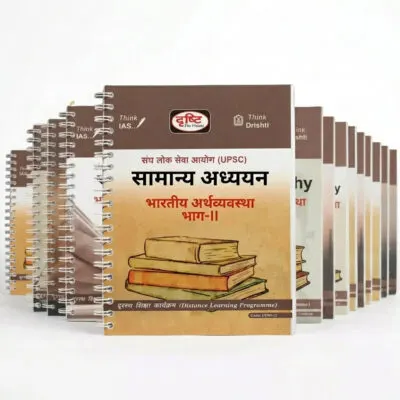
Telugu Akademi Anthropology Notes 2024-25 β 8 English Medium Printed Booklets for UPSC Anthropology Optional
Related: Telugu Akademi notes Β· Anthropology books
Product Overview
| Feature | Details |
|---|---|
| Booklets Count | 8 Individual Printed Booklets β Full UPSC Anthropology Optional Syllabus Coverage |
| Language | English Medium |
| Publisher | Telugu Akademi β State Institute of Telugu Language, Hyderabad (UPSC Optional Series) |
| Edition | 2024-25 β Latest Genuine Batch |
| Condition | Brand New, Unmarked, Fresh Stock |
| Format | High-Quality Printed Booklets β Spiral or Book Binding |
| Paper Quality | 75 GSM Ultra-White β Highlighter Safe, Zero Bleed-Through |
| Shipping | Pan India Delivery in 3-5 Business Days β Tracked |
| Also Useful For | BPSC, UPPSC, MPPSC, RAS and all State PSC Anthropology Optional Candidates |
Complete Booklet Catalog
This 3-booklet set from Telugu Akademi covers the full UPSC Anthropology optional syllabus with a focused emphasis on Volume III topics β Fossil Humans, Race and Racism, and Human Growth and Development. Prepared by the Telugu Akademi State Institute of Telugu Language, Hyderabad, this series is structured specifically for UPSC Mains optional aspirants who want clear, syllabus-aligned printed study material.
- Booklet 1: Introduction to Anthropology and Its Branches β Scope and branches of anthropology; relationship with other sciences; physical, social, archaeological and applied anthropology; history and development of anthropological thought; relevance of anthropology for understanding human diversity and the UPSC Anthropology optional paper structure.
- Booklet 2: Biological Basis of Human Life β Cell structure and cell division; DNA structure, replication and protein synthesis; Mendelian genetics and laws of inheritance; chromosomal theory of heredity; linkage and crossing over; mutation types and significance; human chromosomes, sex determination and chromosomal abnormalities relevant to UPSC Anthropology optional.
- Booklet 3: Principles of Evolution β Theories of organic evolution including Lamarckism and Darwinism; synthetic theory of evolution; forces of evolution β mutation, natural selection, genetic drift, gene flow and reproductive isolation; speciation and adaptive radiation; micro and macro evolution as tested in UPSC Anthropology Mains.
- Booklet 4: Fossil Humans and Human Evolution β Geological time scale; Dryopithecus, Ramapithecus, Australopithecus, Homo habilis, Homo erectus, Homo sapiens neanderthalensis, Homo sapiens sapiens; morphological features and evolutionary trends; primate characteristics and comparative anatomy; evolutionary sequence and out-of-Africa model for UPSC optional.
- Booklet 5: Race and Racism β Concept and classification of human races; racial criteria β skin colour, hair form, cephalic index, nasal index; racial typologies by Blumenbach, Deniker, Hooton; racism β history, ideological basis and scientific refutation; UNESCO statements on race; race and intelligence debate; contemporary relevance for UPSC Anthropology optional answers.
- Booklet 6: Human Growth and Development β Stages of growth β prenatal, postnatal, puberty, adolescence, adulthood and senescence; factors affecting growth β genetic, nutritional, hormonal, environmental and socioeconomic; secular trends in growth; methods of studying growth; growth assessment tools and standards used in UPSC Anthropology optional questions.
- Booklet 7: Applied Anthropology and Contemporary Issues β Forensic anthropology; anthropology in medicine; nutritional anthropology; human ergonomics; tribal welfare and development policies; constitutional provisions; fifth and sixth schedule; anthropology’s role in understanding social stratification and caste for UPSC General Studies and optional paper overlap.
- Booklet 8: Ecological Anthropology and Population Genetics β Human adaptations to high altitude, cold, heat and desert environments; concepts of acclimatization versus adaptation; Hardy-Weinberg equilibrium; ABO blood groups; HLA system; genetic markers in population studies; demographic anthropology and its applications in UPSC Anthropology optional Paper I and Paper II.
In-Depth Content Breakdown: Booklet by Booklet
Booklet 1: Introduction to Anthropology and Its Branches
This foundational booklet sets the conceptual framework for the entire UPSC Anthropology optional syllabus. It covers the definition, scope and branches of anthropology β physical or biological anthropology, social and cultural anthropology, archaeological anthropology and applied anthropology β while mapping each branch to the UPSC optional paper structure. The historical development of anthropological thought, from early evolutionary frameworks to modern bio-cultural approaches, is presented clearly so aspirants understand how the subject has evolved as a scientific discipline.
The booklet’s structure follows the Telugu Akademi format of concise thematic sections followed by key-point summaries, making it revision-friendly during the final weeks before UPSC Mains. Relationship diagrams between anthropology and related disciplines β sociology, biology, history, psychology β are presented in tabular form for quick recall. Aspirants preparing UPSC Anthropology optional without classroom coaching will find this booklet especially useful as a map of the entire optional paper before diving into detailed topics.
Booklet 2: Biological Basis of Human Life
Booklet 2 addresses the molecular and genetic foundation of human biology β a critical section for UPSC Anthropology Paper I. Topics include cell structure, mitosis and meiosis, DNA structure and replication, the genetic code and protein synthesis, Mendelian laws of inheritance, chromosomal theory of heredity, linkage and crossing over, mutations and their evolutionary significance, sex determination mechanisms, and chromosomal disorders such as Down syndrome, Turner syndrome and Klinefelter syndrome. Each concept is explained with labelled diagrams and structured notes.
The Telugu Akademi approach in this booklet is particularly effective for UPSC aspirants who do not have a biology background. Complex processes like DNA replication and meiotic division are broken into sequential steps with clear visuals, allowing aspirants to write accurate, diagram-supported answers in the UPSC Mains examination. Key genetic terminology is bolded and defined in-text, enabling aspirants to learn precise scientific vocabulary required for scoring well in UPSC Anthropology optional written answers.
Booklet 3: Principles of Evolution
This booklet covers the theoretical backbone of UPSC Anthropology optional Paper I β the mechanisms and evidences of organic evolution. Lamarck’s theory of acquired characteristics, Darwin’s theory of natural selection and the Modern Synthetic Theory combining genetics with evolution are presented sequentially. The five forces of evolution β mutation, natural selection, genetic drift, gene flow and reproductive isolation β are discussed with UPSC-relevant examples. Speciation, adaptive radiation and concepts of micro versus macro evolution are covered in detail with appropriate taxonomic examples.
What makes this booklet stand out for UPSC Anthropology optional preparation is the comparative table of evolutionary theories that allows aspirants to write analytical answers contrasting Lamarckism, Darwinism and the Synthetic Theory in a single coherent response. Evidence of evolution β palaeontological, morphological, embryological, biochemical and genetic β is systematically catalogued. The booklet also introduces the molecular clock concept and phylogenetic analysis tools that appear in advanced UPSC Anthropology questions, ensuring aspirants are not caught off guard in the examination hall.
Booklet 4: Fossil Humans and Human Evolution
This is the flagship booklet of the Telugu Akademi Anthropology 2024-25 series, covering the most frequently asked section of UPSC Anthropology optional Paper I β hominid fossil record and human evolutionary sequence. The geological time scale from the Miocene onwards is presented first as context. Each hominid taxon β Dryopithecus, Sivapithecus, Ramapithecus, Australopithecus africanus, Australopithecus robustus, Homo habilis, Homo erectus (Java Man, Peking Man), Homo sapiens neanderthalensis and Cro-Magnon β is covered with cranial capacity, morphological features, tools used and discovery sites.
The evolutionary trend chart included in this booklet β tracking changes in cranial capacity, facial prognathism, bipedalism and tool sophistication across hominid species β is a standout feature for UPSC Mains answer writing. The booklet also covers primate characteristics, comparative primate anatomy and the Out-of-Africa theory versus the Multiregional hypothesis. Regional fossils discovered in the Indian subcontinent, relevant for UPSC context, are given dedicated coverage. Aspirants who buy this set will have everything needed to write structured, data-rich UPSC Anthropology fossil human answers.
Booklet 5: Race and Racism
Booklet 5 addresses the concept of biological races in humans, racial classification systems and the scientific and social critique of racism β topics that have appeared repeatedly in UPSC Anthropology optional Mains questions over recent years. Racial criteria such as skin colour, hair texture, cephalic index and nasal index are explained with measurement techniques. Classical racial typologies by Blumenbach, Deniker, Hooton and Coon are presented and evaluated. The biological concept of race is then contrasted with the social construction of race, a distinction UPSC aspirants must make clearly in their answers.
The booklet devotes substantial space to the history of scientific racism, its ideological misuse during colonialism and the Holocaust, and the post-World War II scientific repudiation through UNESCO statements on race (1950, 1951, 1964, 1967). The race versus intelligence controversy, including the Flynn Effect and its anthropological interpretation, is covered for UPSC critical analysis questions. Contemporary debates on race, genomics and identity are introduced, keeping aspirants current with the direction of UPSC Anthropology question trends in the 2024-25 examination cycle.
Booklet 6: Human Growth and Development
Human Growth and Development is a high-yield section of UPSC Anthropology optional Paper I that Telugu Akademi covers in depth in Booklet 6. The booklet systematically addresses the stages of human growth β prenatal (zygotic, embryonic, foetal), postnatal (infancy, childhood, juvenile, adolescent), adult and senescent β with the biological changes and anthropometric landmarks characterising each phase. Factors affecting growth β genetic inheritance, hormonal regulation, nutritional adequacy, socioeconomic status and environmental conditions β are discussed separately and then integrated into a holistic growth model.
A key feature of this booklet for UPSC preparation is its coverage of secular trends in growth β the observed increase in height and earlier onset of puberty across generations in multiple populations β and the anthropological interpretation of these trends. Methods of studying growth including longitudinal, cross-sectional and mixed-longitudinal methods, and growth assessment tools like percentile charts and Tanner stages, are explained with UPSC answer-writing applications in mind. The booklet includes worked examples of growth data interpretation, preparing aspirants for data-based questions in UPSC Anthropology Mains.
Booklet 7: Applied Anthropology and Contemporary Issues
Booklet 7 bridges physical anthropology theory and real-world UPSC-relevant applications. Forensic anthropology β skeletal age estimation, sex determination, stature reconstruction, bite mark analysis β is covered with practical forensic methodology details that UPSC aspirants can use in both optional answers and General Studies Paper III (internal security). Medical anthropology, nutritional anthropology and human ergonomics are addressed as applied fields. Tribal welfare and development policies, Fifth and Sixth Schedule provisions, tribal land rights and scheduled tribe welfare schemes are covered for UPSC Paper II and GS overlap.
The booklet also addresses the anthropology of social stratification β caste system, tribe versus caste distinction, scheduled caste and scheduled tribe classification criteria β which is directly tested in UPSC Anthropology optional Paper II. Constitutional provisions for tribal welfare are presented in a tabular format for rapid revision. The overlap between anthropological concepts and UPSC General Studies sociology topics makes this booklet doubly valuable. Aspirants who buy the complete Telugu Akademi 3-booklet set will find this volume particularly useful for integrated UPSC preparation across papers.
Booklet 8: Ecological Anthropology and Population Genetics
The final booklet in the Telugu Akademi Anthropology 2024-25 series addresses human biological adaptations to varied ecological environments and the population genetics framework for understanding human biological variation β both recurring themes in UPSC Anthropology optional questions. Human physiological and morphological adaptations to high altitude (Himalayan and Andean populations), cold climates (Inuit populations), hot-dry desert environments (Tuareg populations) and hot-humid tropical environments are covered with specific examples. The distinction between genotypic adaptation, phenotypic plasticity and acclimatization is explained clearly for UPSC analytical answers.
The population genetics section covers Hardy-Weinberg equilibrium and its five assumptions, ABO blood group system and its global population distribution, Rh factor, MN blood groups, HLA (Human Leukocyte Antigen) system, sickle cell anaemia as a balanced polymorphism example, and genetic drift illustrations such as founder effect and bottleneck effect. These topics connect directly to race, evolution and human variation themes across UPSC Anthropology optional Paper I. Demographic anthropology β population structure, age-sex composition and migration anthropology β rounds off this booklet, completing the Telugu Akademi 3-booklet UPSC Anthropology series.
Physical Construction and Quality Standards
Every booklet in this Telugu Akademi Anthropology 2024-25 set is produced to standards suited for daily UPSC study sessions β designed to survive months of active use, highlighting, margin annotations and repeated revision cycles without deterioration.
Paper Quality: 75 GSM Anti-Glare White Paper
The 75 GSM ultra-white paper used in these Telugu Akademi Anthropology booklets is selected specifically for high opacity β meaning text on one side does not shadow through to the reverse, preventing the visual noise that disrupts long study sessions. The anti-glare surface reduces eye strain during extended reading under desk lamps or natural light. Multiple highlighter colours β yellow, green, orange, pink β and gel pens can be used on both sides without bleed-through, allowing the colour-coded revision strategies recommended by top UPSC Anthropology optional scorers.
Printing Technology: High-Resolution Laser Printing
All 3 Booklets in this set are laser-printed at high resolution, ensuring that skeletal diagrams, hominid morphology comparisons, evolutionary trend charts, racial criterion tables and population genetics graphs are reproduced with sharp, readable clarity. Unlike inkjet-printed materials, laser toner is heat-fused to the paper fibres, making it permanently smudge-proof and waterproof. This matters for UPSC aspirants who study in humid conditions or who annotate densely with wet-ink pens. Flowcharts, timelines and anthropometric measurement tables retain their precise linework at every print run, ensuring no detail is lost.
Binding and Durability
Each booklet is available in either spiral binding or book binding depending on current print stock. Spiral-bound booklets open completely flat on a study desk, allowing aspirants to write margin notes alongside printed text without the book springing shut β a practical advantage during intensive UPSC Anthropology revision. Book-bound editions have a 300 GSM thick cover board that protects pages from corner damage during bag transport between library and home. Both binding formats are reinforced at the spine to prevent page separation even after the repeated opening and closing typical of UPSC preparation over 6-12 months.
Key Features and Study Design
These Telugu Akademi Anthropology 2024-3 Booklets are designed around the specific demands of UPSC Anthropology optional preparation β structured for first reading, active revision and rapid last-minute recall in the weeks before UPSC Mains.
- UPSC Syllabus Mapping: Every booklet chapter opens with a direct reference to the UPSC Anthropology optional syllabus point it addresses, allowing aspirants to track coverage, identify gaps and plan targeted revision without having to cross-reference the official syllabus separately during study sessions.
- Fossil Human Evolutionary Charts: The Booklet 4 evolutionary sequence chart β tracking cranial capacity, tool culture, bipedalism and facial anatomy across all major hominid taxa β is a unique visual resource for UPSC answer writing that no standard printed textbook provides in this format and detail level.
- Race Debate Coverage with UNESCO Statements: Booklet 5 covers both sides of the race debate β biological classification and its scientific rejection β with verbatim reference to UNESCO race statements, preparing aspirants to write balanced, evidence-backed UPSC Anthropology answers on one of the most contested topics in the optional paper.
- Applied Anthropology-General Studies Overlap: Booklet 7 bridges optional and General Studies content β tribal welfare, constitutional provisions, forensic anthropology β allowing aspirants to use the same study material for both UPSC Anthropology optional and GS Paper I and II, increasing study efficiency significantly.
- Population Genetics with Worked Examples: Booklet 8 presents Hardy-Weinberg equilibrium problems with numerical solutions, blood group frequency calculations and balanced polymorphism case studies β rare in printed UPSC Anthropology study material β training aspirants for the analytical question types that appear in recent UPSC Anthropology Mains papers.
Shipping, Packaging and Delivery
Each order of the Telugu Akademi Anthropology 2024-25 3-booklet set is packed using a multi-layer protective system designed for safe transit across India. All 3 Booklets are first shrink-wrapped together as a single sealed unit to prevent moisture exposure during monsoon-season deliveries. The shrink-wrapped bundle is then placed inside a rigid corrugated cardboard box with foam-padded edge protectors at all four corners, preventing the cover boards from bending or the spine from cracking even if the parcel is stacked under heavier packages in transit. A waterproof outer layer completes the packaging for full weather protection.
Orders are dispatched within 1 business day of payment confirmation and delivered across India in 3-5 business days via tracked courier service. A tracking ID is shared via WhatsApp and email immediately upon dispatch so aspirants can monitor their package in real time. For any query about your order, contact us on WhatsApp at +91 70045 49563. If any booklet from the 3-booklet set is found missing or damaged upon delivery, we replace the affected booklet at no additional cost within 48 hours of the complaint being raised β no questions asked.
Frequently Asked Questions (FAQ)
A: Yes. Telugu Akademi Anthropology notes are widely used by UPSC Anthropology optional aspirants as a structured, syllabus-aligned printed resource. The 3-booklet set covers the complete UPSC Anthropology optional Paper I syllabus with particular strength in Fossil Humans, Race and Racism, Human Growth and Development, and Population Genetics β sections that carry significant marks in UPSC Mains. The notes are especially valued by self-study aspirants who want reliable printed material without depending entirely on coaching institute handouts.
A: This set contains 8 individual printed booklets. Each booklet covers a distinct section of the UPSC Anthropology optional syllabus β from foundational genetics and evolutionary theory through to fossil hominids, race studies, human growth, applied anthropology and population genetics. The 3 Booklets together provide complete coverage of the subjects typically tested in UPSC Anthropology optional Paper I, and Booklet 7 additionally addresses Paper II applied and social anthropology content relevant for UPSC Mains answers.
A: Yes. The set listed on this product page is the English medium edition β all 3 Booklets are printed in English. This edition is suitable for UPSC aspirants who write their Mains examination in English. Telugu Akademi originally publishes academic content in Telugu for state-level education, but their UPSC competitive examination series is published in English to serve the national UPSC aspirant population. The edition you receive will be the 2024-25 English medium printed set.
A: The Human Evolution coverage β primarily in Booklet 4 β includes the geological time scale, primate characteristics, the complete hominid fossil sequence from Dryopithecus and Ramapithecus through Australopithecus variants, Homo habilis, Homo erectus (Java Man, Peking Man, Heidelberg Man), Neanderthals and Cro-Magnon, with morphological features, cranial capacities, tool cultures and discovery sites for each. The Out-of-Africa versus Multiregional theories are also covered, along with molecular evidence for human evolution including mitochondrial DNA studies.
A: You can buy the Telugu Akademi Anthropology notes 2024-25 eight-booklet set directly from this product page. We are a dedicated UPSC study material store based in Mukherjee Nagar, Delhi, supplying genuine, brand-new printed booklets to aspirants across India. Simply add to cart and place your order β we dispatch within 1 business day and deliver pan India in 3-5 business days with full tracking. You can also contact us on WhatsApp at +91 70045 49563 to confirm stock availability before placing your order.
A: Yes. The edition dispatched is the 2024-25 batch β the latest print run of the Telugu Akademi Anthropology UPSC optional series. The UPSC Anthropology optional syllabus has remained structurally stable over recent years, and the 2024-25 edition reflects the current syllabus with updated examples, recent UNESCO and scientific references, and content aligned with the question trend direction observed in UPSC Anthropology Mains papers from 2022 onwards. Aspirants preparing for UPSC 2025 and 2026 cycles can use this set with full confidence.
A: These booklets use 75 GSM ultra-white paper chosen for high opacity β multiple highlighter colors and gel pens work without bleed-through to the reverse side, ideal for color-coded revision. The anti-glare surface of the paper also reduces eye strain during the long daily study sessions that UPSC Anthropology optional preparation demands. Yellow, green, orange and pink highlighters have all been tested on this paper stock without any show-through or feathering at the edges of highlighted lines.
A: Telugu Akademi Anthropology notes are a strong foundation for self-study, but serious UPSC aspirants typically supplement them with standard reference texts like P. Nath’s Anthropology and previous year UPSC Anthropology question paper practice. The 3-booklet set covers the theoretical content needed for UPSC Mains answers effectively. For aspirants who cannot attend coaching in Mukherjee Nagar or other centres, buying printed notes like this Telugu Akademi set provides structured, portable study material that replicates the coverage of classroom notes at a fraction of the cost.
A: Yes. The Telugu Akademi Anthropology 2024-25 set is useful for BPSC, UPPSC, MPPSC, RAS and other state PSC candidates who have chosen Anthropology as their optional subject. State PSC Anthropology syllabi overlap significantly with the UPSC Anthropology optional syllabus, especially in human evolution, race studies, genetics and applied anthropology sections. Aspirants appearing for multiple state PSC examinations alongside UPSC preparation will find this 3-booklet set covers the core content required across all major examinations simultaneously.
A: Yes. The Telugu Akademi Anthropology booklets include diagrams and illustrations throughout β particularly in the Fossil Humans booklet (hominid skull comparisons, evolutionary sequence charts), the Genetics booklet (cell division diagrams, DNA structure), the Race booklet (racial criteria measurement diagrams, cephalic index illustrations) and the Human Growth booklet (growth curve charts, Tanner stage diagrams). All diagrams are laser-printed at high resolution for clarity. Aspirants are encouraged to practise redrawing key diagrams in their UPSC answer booklets for maximum examiner impact.
A: Orders are dispatched within 1 business day of payment confirmation and delivered across India within 3-5 business days via a tracked courier service. You will receive a tracking ID on WhatsApp and email immediately after dispatch. The 3 Booklets are packed in a rigid corrugated box with shrink-wrap and corner padding to ensure safe delivery. If you have questions about your order status or need express delivery for an urgent UPSC deadline, contact us on WhatsApp at +91 70045 49563 and we will assist you directly.
A: This is a genuine, officially published Telugu Akademi printed booklet set β brand new, unmarked and sourced directly from authorised supply channels. We do not stock or sell photocopied or pirated study material. Every booklet in the 2024-25 set carries the original Telugu Akademi State Institute of Telugu Language, Hyderabad branding and is printed on standard 75 GSM paper with full production quality. If you receive any booklet that does not meet these standards, contact us within 48 hours and we will replace it immediately at no charge to you.
Summary
| Specification | Value |
|---|---|
| Booklets | 8 Printed Booklets |
| Language | English Medium |
| Publisher | Telugu Akademi, Hyderabad |
| Edition | 2024-25 |
| Paper | 75 GSM Ultra-White |
| Binding | Spiral or Book Binding |
| Delivery | 3-5 Business Days Pan India |
| Also Useful For | BPSC, UPPSC, MPPSC, RAS and all State PSC Anthropology Optional |
Available for immediate dispatch from our store in Mukherjee Nagar, Delhi β buy Telugu Akademi Anthropology Notes 2024-25 online today and receive your complete 3-booklet set anywhere in India with tracked delivery in 3-5 days.
Reference: Civil Services Examination
Customer Reviews 363
Padhne mein theek hai but diagrams could be better. Middle average product hai.
Superb quality, mast notes!
Extremely helpful for my preparation. The booklets are well-designed.
Notes bahut comprehensive hain aur easy to understand.
Telugu medium students ke liye yeh lifesaver hai, structured bahut acha.
Material quality acha hai.
Notes bahut detailed hain aur easy to understand bhi.
Kuch chapters acche hain, kuch ek dam weak hain. Supplementary material padni padegi.
Aspirants Also Bought
More from the same category
About Telugu Akademi Anthropology Notes 2024-25
Telugu Akademi Anthropology Notes 2024-25 is a highly recommended UPSC study material from Telugu Akademi, specially designed for Anthropology preparation. Available in Telugu medium, this material is crafted to match the exact requirements of the UPSC Civil Services Examination syllabus β covering both Prelims and Mains comprehensively.
Product Details
- Institute: Telugu Akademi
- Subject: Anthropology
- Medium: Telugu
- Format: Printed
- Delivery: Pan-India delivery in 3β5 working days
- Format: Original printed material, verified authentic
Why Buy from UPSC Store?
- β 100% Genuine Printed Material β Original printed notes, no photocopies or fake copies
- β Fast Delivery β Ships within 24 hours, arrives in 3β5 days pan-India
- β Secure Packaging β Bubble-wrapped and boxed to prevent damage in transit
- β Trusted by 10,000+ Aspirants β India's most reliable UPSC material marketplace
- β WhatsApp Support β Get expert guidance on material selection before ordering
Frequently Asked Questions
Yes, all products at UPSC Store are 100% genuine printed materials. We do not sell photocopies or fake copies.
Orders are dispatched within 24 hours and delivered across India in 3β5 working days via reputed courier partners.
Yes, we accept returns within 7 days if the product is damaged or incorrect. Check our refund policy for details.
We recommend pairing this with current affairs notes and a UPSC test series for comprehensive preparation. Browse more in Anthropology, Optional, UPSC.