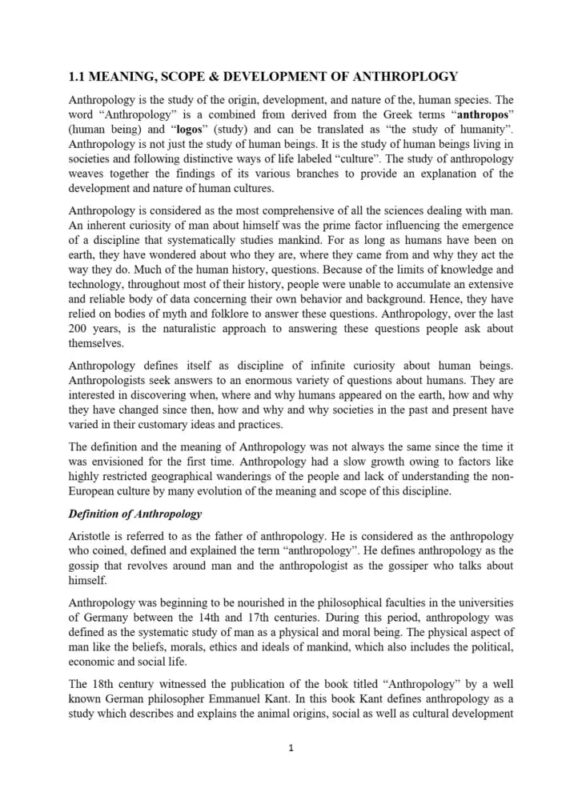
Brain Tree Anthropology Optional Notes 2025-26

4 Booklets | English Medium | UPSC Study Material

Key Highlights:
πŸ“˜ 4 Booklets
πŸ“š Anthropology Optional
πŸŽ“ Brain Tree Institute
🏷️ Printed
πŸ‡¬πŸ‡§ English Medium
β‚Ή1,655
πŸŒ€ spiral βœ“
πŸ“˜ book-binding βœ“
Only 31 sets left
Selling fast (79 sold this week)
5% OFF Use UPSC5% (COD Available)
10% OFF Use UPI10 (UPI Only)
Secure Payment
Fast Delivery
Safe Packaging

About Brain Tree Anthropology Notes 2025-26

The Brain Tree Anthropology Notes 2025-26 is a printed UPSC study material set sold by UPSC Store β€” India’s trusted source for genuine, latest-batch civil services preparation books. This page covers full booklet details, syllabus coverage, pricing, shipping, and frequently asked questions. Useful for UPSC CSE, BPSC, UPPSC, MPPSC, RAS and other state PSC examinations.

Brain Tree Anthropology Optional Notes 2025-26 β€” 9 English Medium Printed Booklets for UPSC Mains Optional

Related: Anthropology optional Β· Optional subjects

Product Overview

FeatureDetails
Booklets Count9 Individual Printed Booklets β€” Full UPSC Anthropology Optional Syllabus (Paper I + Paper II)
LanguageEnglish Medium
PublisherBrain Tree IAS Coaching Centre (G.S Karthik Anthropology Optional Series)
Edition2025-26 β€” Latest Genuine Batch
ConditionBrand New, Unmarked, Fresh Stock
FormatHigh-Quality Printed Booklets β€” Spiral or Book Binding
Paper Quality75 GSM Ultra-White β€” Highlighter Safe, Zero Bleed-Through
ShippingPan India Delivery in 3-5 Business Days β€” Tracked
Also Useful ForBPSC, UPPSC, MPPSC, RAS and all State PSC Anthropology Optional aspirants

Complete Booklet Catalog

This 4-booklet set from Brain Tree IAS Coaching Centre, authored by faculty G.S Karthik, covers the entire UPSC Anthropology Optional syllabus across both Paper I and Paper II. Designed for serious UPSC Mains optional aspirants who want structured, classroom-tested printed notes that mirror the coaching centre’s teaching methodology.

  • Booklet 1: Introduction to Anthropology and Human Evolution β€” Meaning, scope and branches of Anthropology; Biological Anthropology fundamentals; human evolution from primates to Homo sapiens; comparative anatomy; bipedalism; Australopithecus, Homo habilis, Homo erectus, archaic Homo sapiens; Out of Africa theory; multi-regional hypothesis; fossil evidence and dating methods relevant to UPSC Paper I.
  • Booklet 2: Genetic and Biological Variation in Humans β€” Human genetics basics, Mendelian inheritance, DNA structure and replication; Hardy-Weinberg equilibrium; genetic drift, gene flow, natural selection; ABO blood groups; race concept and its critique; biological basis of human variation; sickle cell anaemia; HLA system; forensic anthropology applications; molecular anthropology tools.
  • Booklet 3: Social and Cultural Anthropology β€” Foundations β€” Culture concept, cultural relativism, ethnocentrism; social structure vs social organisation; kinship, descent and alliance theories; marriage types and rules; family forms; lineage and clan; residence rules; kinship terminology systems β€” Eskimo, Hawaiian, Iroquois, Crow, Omaha, Sudanese; UPSC-oriented comparative examples from world societies.
  • Booklet 4: Economic Anthropology, Political Organisation and Religion β€” Subsistence patterns: foraging, pastoralism, horticulture, agriculture; economic exchange β€” reciprocity, redistribution, market; political organisation β€” bands, tribes, chiefdoms, states; power and authority; law and social control; religion, magic, witchcraft; totemism, animism, shamanism; ritual and symbolism; religious movements and syncretism.
  • Booklet 5: Archaeological Anthropology and Prehistoric Cultures β€” Prehistoric archaeology and its relevance to UPSC; Palaeolithic, Mesolithic, Neolithic, Chalcolithic cultures; Bronze Age civilisations; excavation techniques; relative and absolute dating; Indus Valley Civilisation; Megalithic cultures of India; rock art; ethnoarchaeology; urban revolution and state formation.
  • Booklet 6: Anthropological Theories and History of the Discipline β€” Evolutionism: Tylor, Morgan, Spencer; diffusionism: British, German, American schools; historical particularism: Boas; functionalism: Malinowski, Radcliffe-Brown; structural functionalism; culture and personality school; structuralism: LΓ©vi-Strauss; symbolic anthropology; interpretive anthropology: Geertz; post-modernism and reflexivity; feminist anthropology.
  • Booklet 7: Indian Anthropology β€” Tribal Communities and Social Structure β€” Concept of tribe in India; tribal demography and distribution; tribal economy; tribal religion and world view; social stratification among tribes; tribal movements β€” Santhal, Munda, Bhil; scheduled tribes constitutional provisions; tribal identity and integration debate; problems of tribal communities β€” land alienation, displacement, health, education; PVTG list and features.
  • Booklet 8: Applied Anthropology and Development Issues β€” Applied anthropology: scope and relevance; tribal development policies; Fifth and Sixth Schedules; PESA Act; Forest Rights Act; tribal sub-plan; displacement and rehabilitation β€” Narmada, POSCO case studies; ethno-medicine; ethnobotany; disaster management and anthropology; gender and development; women in tribal communities; child labour and bonded labour.
  • Booklet 9: Current Issues, Human Rights and Anthropology of India β€” Paper II Special Topics β€” Ethnicity, nationalism and identity politics; communalism; caste system β€” varna, jati, untouchability; sanskritisation, westernisation, dominant caste; peasant studies; green revolution impact; urban anthropology; anthropology of religion β€” Hindu, tribal, syncretic traditions; human rights and indigenous peoples; UNDRIP; recent UPSC questions trend analysis and answer-writing tips.

In-Depth Content Breakdown: Booklet by Booklet

Booklet 1: Introduction to Anthropology and Human Evolution

Booklet 1 lays the conceptual foundation for the entire Anthropology optional. It opens with the meaning, scope and four major branches β€” physical/biological, social-cultural, archaeological and linguistic anthropology β€” before moving into the centrepiece of UPSC Paper I: human evolution. The booklet maps the entire evolutionary timeline from early primates through the Australopithecines to archaic and anatomically modern Homo sapiens, integrating fossil evidence from key African and Asian sites. This section is high-scoring in UPSC Mains and Brain Tree’s treatment is aligned with recent question trends.

What distinguishes this booklet is G.S Karthik’s structured presentation of competing evolutionary hypotheses β€” the Out of Africa model versus the Multiregional Continuity hypothesis β€” with clear diagrams showing phylogenetic trees. Dating methods including relative (stratigraphy, fluorine test) and absolute (radiocarbon, potassium-argon) techniques are explained with exam-relevant examples. Comparative anatomical features distinguishing each Homo species are presented in tabular form, making revision fast and answer enrichment straightforward. The booklet also includes brain capacity and cranial index data formatted for direct use in UPSC answers.

Booklet 2: Genetic and Biological Variation in Humans

Booklet 2 addresses one of the more technically demanding portions of UPSC Anthropology Paper I β€” human genetics and biological variation. G.S Karthik begins with Mendelian genetics, dominant-recessive patterns and moves to population genetics principles including Hardy-Weinberg equilibrium, genetic drift, founder effect and gene flow. The race concept is treated with scholarly balance, covering the traditional typological approach and its critique from modern molecular anthropology. ABO and Rh blood group systems, HLA antigens and their anthropological significance are covered in clear, exam-ready language.

The booklet’s second half focuses on molecular anthropology tools β€” mitochondrial DNA analysis, Y-chromosome haplogroups and their role in tracing human migration routes β€” which are increasingly appearing in UPSC questions. Sickle cell anaemia is used as a case study linking genetics, natural selection and adaptation in tropical populations, a favourite UPSC topic. Forensic anthropology applications β€” skeletal aging, sex determination, stature estimation β€” are covered with sufficient detail for a 15-mark answer. The content is presented in numbered point format interspersed with flow diagrams for quick absorption.

Booklet 3: Social and Cultural Anthropology β€” Foundations

This booklet covers the sociocultural core of UPSC Anthropology Paper I β€” kinship, marriage and family β€” which consistently generates 30–40 marks worth of questions in UPSC Mains. Brain Tree’s treatment begins with the foundational concepts of culture, society and social structure, then systematically works through descent theory (unilineal, double, cognatic), alliance theory and the distinction between affinal and consanguineal kin. All six major kinship terminology systems are explained with diagrams and the specific terminological equations that define them, enabling aspirants to write precise technical answers.

Marriage types β€” monogamy, polygyny, polyandry, group marriage β€” and marriage rules (endogamy, exogamy, preferential, prescriptive) are covered with cross-cultural examples. The section on residence rules (patrilocal, matrilocal, neolocal, avunculocal) includes functional explanations that help aspirants write analytical answers rather than merely definitional ones. Family typologies from nuclear to joint to composite are discussed with sociological implications. Throughout, G.S Karthik integrates Indian ethnographic examples β€” particularly from tribal communities β€” which doubles the relevance of this content for UPSC Paper II as well.

Booklet 4: Economic Anthropology, Political Organisation and Religion

Booklet 4 spans three major UPSC syllabus themes in one tightly organised volume. Economic Anthropology opens with subsistence strategies β€” band-level foraging societies through to intensive agriculture β€” and connects them to social organisation. Exchange systems are treated using Polanyi’s framework of reciprocity, redistribution and market exchange, with the kula ring and potlatch as canonical examples. Political organisation follows the Service-Fried typology of bands, tribes, chiefdoms and states with functional analysis of each form, relevant for answering UPSC questions on state formation and political evolution.

The religion section is the booklet’s most detailed unit, covering animism, totemism, shamanism, magic and witchcraft with theoretical grounding from Tylor, Frazer, Durkheim and Malinowski. The distinction between religion and magic, the functions of ritual, and taboo systems are explained analytically. Millennarian and revitalization movements β€” particularly relevant for UPSC Paper II tribal religion content β€” are introduced here. The booklet uses text boxes to highlight key thinkers and their arguments, enabling aspirants to attribute theoretical positions accurately in UPSC answers, a significant differentiator in scoring.

Booklet 5: Archaeological Anthropology and Prehistoric Cultures

Booklet 5 covers the archaeological dimension of UPSC Anthropology Paper I β€” an area often underprepared by optional students despite its consistent appearance in UPSC Mains. The booklet traces prehistoric cultural sequences from Lower Palaeolithic tool traditions (Acheulian, Oldowan) through Mesolithic microlithic cultures to the Neolithic revolution and its implications for social complexity. Indian prehistoric cultures β€” Soanian, Acheulian sites at Attirampakkam and Bhimbetka rock art β€” are covered in detail relevant to both Paper I and Paper II of UPSC Anthropology.

Excavation methodology, stratigraphy and typological analysis of stone tool assemblages are explained in practical terms. The Indus Valley Civilisation receives focused treatment β€” urban planning, craft specialisation, trade networks and the absence of clear palace-temple complexes β€” with anthropological interpretations of social organisation. Megalithic cultures of South India, their distribution and social significance, are covered with map-based reference. The booklet closes with ethnoarchaeology β€” using present tribal communities to interpret the archaeological record β€” a cross-cutting theme that links Paper I and Paper II content intelligently.

Booklet 6: Anthropological Theories and History of the Discipline

Theory questions in UPSC Anthropology optional are high-value and frequently asked, making Booklet 6 one of the most strategically important in this set. Brain Tree’s treatment begins with 19th-century classical evolutionism β€” Tylor’s animism, Morgan’s unilinear evolution, Spencer’s social Darwinism β€” and critiques them from the Boasian historical particularist position. Diffusionism in its British (Elliot Smith), German (Graebner) and American variants is treated concisely. Malinowski’s functionalism and Radcliffe-Brown’s structural functionalism are compared with theoretical precision, a common UPSC question format.

The second half of this booklet moves through 20th-century developments β€” culture and personality school (Benedict, Mead), French structuralism (LΓ©vi-Strauss and binary oppositions, myth analysis), symbolic and interpretive anthropology (Turner, Geertz’s thick description), and post-modern reflexivity. Each theoretical position is presented as a response to the limitations of its predecessor, giving aspirants a narrative framework for answering theory-history questions analytically. Feminist anthropology and its critique of androcentric bias in the discipline rounds out the coverage. Key quotes from original theorists are embedded for use in UPSC answers.

Booklet 7: Indian Anthropology β€” Tribal Communities and Social Structure

Booklet 7 is the backbone of UPSC Anthropology Paper II, dedicated entirely to Indian tribal communities β€” their demography, distribution, social organisation, economy and religion. The booklet opens with the definitional debate around “tribe” in the Indian context β€” Ghurye, Bailey, Majumdar, Beteille and D.N. Majumdar positions are all represented. State-wise tribal distribution, linguistic families and major tribal groups (Gond, Santhals, Bhil, Munda, Naga, Khasi, Toda) are covered with demographic data useful for UPSC answer enrichment.

Tribal social structure β€” clan organisation, moiety systems, age-grade associations, youth dormitories (ghotul, dhumkuria) β€” is covered with ethnographic specificity. Tribal economies range from hunting-gathering (Andamanese, Chenchu) through shifting cultivation (jhum) to settled agriculture, with implications for land rights and forest dependency. The tribal movements section β€” Santhal Hul (1855), Munda Ulgulan, Birsa Munda β€” are treated as data points for answering questions on tribal resistance and political consciousness. The booklet integrates constitutional provisions for tribes, creating a bridge to Paper II applied topics in Booklet 8.

Booklet 8: Applied Anthropology and Development Issues

Booklet 8 addresses the applied and contemporary development dimension of UPSC Anthropology Paper II β€” a section that has expanded significantly in recent UPSC question papers. The booklet opens with the scope and relevance of applied anthropology globally before focusing on India-specific policy frameworks: Fifth Schedule, Sixth Schedule, PESA Act 1996, Forest Rights Act 2006, Tribal Sub-Plan and its evolution into Scheduled Tribe Component. Each policy is analysed for its intended objectives, implementation gaps and anthropological critique β€” the exact framework needed for UPSC 15-20 mark answers.

Displacement and rehabilitation receive detailed treatment, using case studies from Narmada Bachao Andolan, POSCO, and mining-related displacement in Jharkhand and Odisha β€” cases that UPSC has referenced in actual questions. Ethno-medicine and ethnobotany are covered with examples of traditional knowledge systems and their interface with intellectual property rights (biopiracy). Gender issues in tribal communities β€” matriliny among Khasi and Garo, women’s land rights, tribal women and MNREGA β€” are analysed. The booklet closes with disaster management and anthropology, covering community-based approaches relevant for both UPSC Mains and interview stages.

Booklet 9: Current Issues, Human Rights and Anthropology of India β€” Paper II Special Topics

The final booklet in the Brain Tree Anthropology set addresses the most dynamic and high-scoring segment of UPSC Paper II β€” current issues, identity, caste, religion and human rights in the Indian context. Ethnicity and nationalism are analysed through case studies of Northeast India, Adivasi identity politics and linguistic communities. The caste system receives multi-dimensional treatment β€” structural (Dumont’s hierarchy), interactional (Srinivas’s dominant caste) and movement-based (Ambedkar’s annihilation of caste) perspectives β€” enabling aspirants to answer nuanced UPSC questions that go beyond textbook definitions.

Sanskritisation, westernisation and the debate around social mobility in the Indian caste system are treated with reference to specific empirical studies. Urban anthropology β€” slum formation, urban tribal migration, informal economy β€” is covered as an emerging UPSC topic. The anthropology of Indian religions (Hindu, tribal, syncretic, folk traditions) bridges into secularism debates. The booklet’s final section is a strategic unit: UNDRIP provisions, indigenous peoples’ rights framework, and a trend analysis of the last 10 years of UPSC Anthropology optional questions with topic-wise frequency data β€” giving aspirants direct insight into where to invest revision time for maximum UPSC Mains scoring.

Physical Construction and Quality Standards

Every booklet in this Brain Tree Anthropology 2025-26 set is produced to standards that support the long and intensive study sessions that UPSC optional preparation demands β€” from first reading through repeated revision cycles right up to the eve of the UPSC Mains exam.

Paper Quality: 75 GSM Anti-Glare White Paper

All 4 Booklets in this Brain Tree Anthropology set use 75 GSM ultra-white paper selected for high opacity, meaning printed text on the reverse side does not bleed through or shadow the reading surface. UPSC aspirants who use multiple highlighter colours for topic-coding β€” a standard revision technique for optional subjects β€” will find that yellow, green, pink and orange highlighters all perform without bleed-through. The paper’s anti-glare surface also reduces eye strain during 4–6 hour study sessions, which is a practical advantage when working through dense anthropological theory and tribal ethnography content.

Printing Technology: High-Resolution Laser Printing

Brain Tree’s 2025-26 Anthropology notes are printed using high-resolution laser printing technology, delivering sharp, consistently dark text across all 4 Booklets. Diagrams β€” phylogenetic trees, kinship charts, typological tables, cultural evolution timelines and tribal distribution maps β€” are rendered with crisp lines that remain legible even at smaller sizes. Laser toner is thermally fused to the paper surface, making it permanently smudge-proof and waterproof against accidental spills. Flowcharts used to summarise anthropological theories and policy frameworks are clearly printed, supporting visual learners preparing for UPSC Mains.

Binding and Durability

Each booklet is available in either spiral binding or book binding depending on batch availability. Spiral-bound copies open fully flat on a study desk, allowing aspirants to write margin notes, insert sticky flags and place the booklet beside answer sheets during practice sessions without the spine curling. The 300 GSM thick outer cover resists bending, creasing and corner damage through months of daily handling. Book-bound copies offer a compact, shelf-stable format for aspirants who prefer organised storage. Both formats are tested to withstand the physical demands of 12–18 months of UPSC optional preparation and multiple revision cycles.

Key Features and Study Design

These Brain Tree Anthropology notes are designed around the specific demands of UPSC Mains optional preparation β€” answer writing, theory recall, case study application and syllabus coverage β€” rather than as a passive reading resource.

  • G.S Karthik’s Classroom Methodology in Print: The notes directly reflect Brain Tree IAS faculty G.S Karthik’s teaching approach β€” structured arguments, theoretical attribution and ethnographic examples that UPSC examiners reward with high marks in optional answer sheets.
  • Full Paper I and Paper II Coverage: All 4 Booklets collectively cover the entire UPSC Anthropology optional syllabus without gaps β€” from biological anthropology and prehistoric cultures through Indian tribal studies, applied anthropology and current issues β€” eliminating the need for supplementary source books.
  • Exam-Oriented Tabular Summaries: Key data β€” species characteristics, kinship terminology comparisons, tribal distribution tables, policy framework comparisons β€” are presented in ready-to-use tabular format that aspirants can directly replicate in UPSC Mains answer sheets for structured, high-scoring responses.
  • Theory-Thinker Attribution Format: Anthropological theories are presented with specific thinker names, dates and key arguments clearly attributed, enabling aspirants to write analytically rich UPSC answers that go beyond factual recall and demonstrate theoretical understanding valued by examiners.
  • Integrated Case Studies for Paper II: Real India-specific case studies β€” Narmada displacement, Forest Rights Act implementation, Birsa Munda movement, Khasi matriliny β€” are woven into the text at relevant points, training aspirants to apply theoretical frameworks to empirical examples in UPSC Mains answers.

Shipping, Packaging and Delivery

Every order of Brain Tree Anthropology Optional Notes 2025-26 is packaged with the same care you would expect for printed study material you will use for 12–18 months of UPSC preparation. All 4 Booklets are individually shrink-wrapped together and then placed inside a double-walled corrugated cardboard box with foam corner protectors. Edge reinforcement tape prevents the box from deforming under transit pressure. The outer box is sealed with tamper-evident tape and labelled with fragile markings. This packaging protocol ensures that the notes arrive with covers intact, pages uncreased and binding undamaged β€” exactly as they left the Brain Tree IAS Coaching Centre facility.

Once dispatched from our Mukherjee Nagar, Delhi facility, orders are delivered across pan India within 3–5 business days through tracked courier services including Blue Dart, Delhivery and DTDC. A tracking ID is shared via WhatsApp within 24 hours of dispatch. For any queries β€” order status, address changes, or missing booklet replacement β€” contact us directly on WhatsApp at +91 70045 49563. If any booklet in your set is found damaged or missing on delivery, we replace it within 48 hours of you reporting the issue, at no additional cost. Buy with confidence knowing your order is fully supported post-delivery.

Frequently Asked Questions (FAQ)

Q1: Are Brain Tree Anthropology optional notes good for UPSC preparation?

A: Yes. Brain Tree IAS Coaching Centre, led by faculty G.S Karthik, has a strong track record with Anthropology optional aspirants. The notes are structured around UPSC Mains answer-writing requirements β€” theoretical attribution, case study integration and tabular data presentation. They cover both Paper I and Paper II of the UPSC Anthropology optional syllabus without requiring aspirants to consult multiple additional sources, making them a reliable primary study resource.

Q2: How many booklets are included in Brain Tree Anthropology optional notes 2025-26?

A: This set includes exactly 9 printed booklets covering the full UPSC Anthropology optional syllabus. The booklets span biological anthropology, human evolution, genetics, social and cultural anthropology, archaeological anthropology, anthropological theories, Indian tribal studies, applied anthropology and current issues β€” organised to align with the UPSC Paper I and Paper II structure for systematic preparation.

Q3: Is Brain Tree IAS a good coaching centre for Anthropology optional?

A: Brain Tree IAS Coaching Centre is considered one of the focused optional coaching institutes for Anthropology in India. G.S Karthik’s teaching is known for making complex topics in biological and social anthropology accessible and exam-ready. The institute’s printed notes reflect classroom teaching quality, incorporating theory, diagrams, ethnographic case studies and current issues in a format directly useful for UPSC Mains answer preparation.

Q4: What is the paper quality of these booklets? Can I use a highlighter?

A: These booklets use 75 GSM ultra-white paper chosen for high opacity β€” multiple highlighter colors and gel pens work without bleed-through to the reverse side, ideal for color-coded revision. Yellow, green, pink and orange highlighters all perform cleanly on this paper surface. The anti-glare finish also reduces eye strain during long study sessions, which is important during intensive UPSC optional preparation phases.

Q5: Are Brain Tree Anthropology notes available in Hindi medium as well?

A: The current 2025-26 set listed here is in English medium only. Brain Tree IAS Coaching Centre’s G.S Karthik primarily teaches Anthropology optional in English, and these printed notes reflect that. If you are preparing in Hindi medium, we recommend checking our store for Hindi medium Anthropology optional notes from other institutes. For English medium UPSC Anthropology preparation, this 4-booklet set is a strong option.

Q6: Do Brain Tree Anthropology notes cover the full UPSC Anthropology optional syllabus?

A: Yes. All 4 Booklets together cover the complete UPSC Anthropology optional syllabus for both Paper I and Paper II. Paper I topics β€” human evolution, genetics, social anthropology, kinship, archaeological anthropology, anthropological theories β€” are covered across Booklets 1 to 6. Paper II topics β€” Indian tribes, tribal movements, applied anthropology, development policies, current issues and human rights β€” are covered in Booklets 7 to 9. No major UPSC syllabus topic is left uncovered.

Q7: How do Brain Tree Anthropology notes compare to Tata McGraw Hill or Vision IAS notes?

A: Tata McGraw Hill’s Anthropology book is a standard reference for theoretical depth but is not structured around UPSC answer writing. Vision IAS notes offer broad coverage but may not go as deep into Anthropology-specific topics. Brain Tree’s notes, by contrast, are specifically produced for UPSC Anthropology optional students by a specialist faculty, with classroom-tested structure, tribal ethnography depth and theory attribution formatted for direct UPSC Mains answer application β€” making them a strong classroom notes alternative.

Q8: Are the 2025-26 notes updated with the latest UPSC exam pattern and questions?

A: Yes. The 2025-26 edition of Brain Tree Anthropology notes incorporates updates reflecting recent UPSC Mains question trends. The final booklet (Booklet 9) specifically includes a topic-wise frequency analysis of UPSC Anthropology optional questions from the past several years, helping aspirants identify high-priority areas. Content on Forest Rights Act, tribal displacement, UNDRIP and current anthropological debates has been updated to reflect the evolving UPSC examination focus.

Q9: Can I buy just selected booklets instead of the full Set of 4?

A: Currently, this listing is for the complete 4-booklet Brain Tree Anthropology Optional Notes 2025-26 set. Individual booklet listings may be available separately in our store β€” please check our store catalogue or contact us on WhatsApp at +91 70045 49563 to enquire about availability of specific volumes. Buying the full set is recommended as the booklets are designed as an integrated system with cross-references between Paper I and Paper II content.

Q10: How long does delivery take and is tracking available?

A: All orders are dispatched from our Mukherjee Nagar, Delhi warehouse and delivered pan India within 3–5 business days via tracked courier services including Blue Dart, Delhivery and DTDC. A tracking ID is shared on WhatsApp within 24 hours of dispatch. For remote locations in Northeast India, Himachal Pradesh, Jammu and Ladakh, delivery may occasionally extend to 6–7 business days. Contact us on WhatsApp at +91 70045 49563 for real-time tracking updates.

Q11: Are these notes useful for state PSC Anthropology optional preparation as well?

A: Yes. While primarily designed for UPSC Mains Anthropology optional, the Brain Tree 2025-26 notes are equally useful for state PSC aspirants taking Anthropology as an optional subject. Aspirants preparing for BPSC, UPPSC, MPPSC, RAS and other state civil services exams will find the Indian tribal studies content (Booklets 7–9) especially relevant, as state PSCs often emphasise regional tribal communities and state-specific applied anthropology themes alongside the standard theoretical syllabus.

Q12: Where can I buy Brain Tree Anthropology optional notes online with fast delivery?

A: You can buy Brain Tree Anthropology Optional Notes 2025-26 directly from this listing. This is the authentic 2025-26 printed set β€” 4 Booklets, English medium, brand new and unmarked β€” dispatched from our Mukherjee Nagar, Delhi store. Click Add to Cart to buy now and receive pan India delivery in 3–5 business days. For bulk orders or institute orders of 5 or more sets, contact us on WhatsApp at +91 70045 49563 for special pricing and priority dispatch.

Summary

SpecificationValue
Booklets9 Printed Booklets
LanguageEnglish Medium
FacultyG.S Karthik β€” Brain Tree IAS Coaching Centre
Edition2025-26 β€” Latest Batch
Paper75 GSM Ultra-White
BindingSpiral or Book Binding
Delivery3-5 Business Days Pan India
Also Useful ForBPSC, UPPSC, MPPSC, RAS and all State PSC Anthropology Optional

Dispatched from our store at Mukherjee Nagar, Delhi β€” India’s largest UPSC study material hub. Buy Brain Tree Anthropology Optional Notes 2025-26 today and receive your complete 4-booklet printed set with pan India delivery in 3-5 days.

Reference: UPSC official syllabus

Customer Reviews 269

4.5
Based on 269 reviews
5β˜…
161
4β˜…
79
3β˜…
29
2β˜…
0
1β˜…
0
R
Rohan Banerjee
25 Apr 2026
βœ“ Verified

Padhne layak content hai, quality bhi theek hai.

N
Neha Gupta
22 Apr 2026
βœ“ Verified

Content covers important topics nicely. Quality is good overall.

V
Vikram Singh
20 Apr 2026
βœ“ Verified

Notes are detailed and easy to understand. Booklet quality is good.

R
Rohit Gupta
20 Apr 2026
βœ“ Verified

Sach kahu to ye notes mere score ko boost kar diye.

N
Neha Gupta
20 Apr 2026
βœ“ Verified

Booklet quality bahut badhiya hai, content bhi clear hai.

N
Neha Gupta
18 Apr 2026
βœ“ Verified

Content is detailed aur exam ke liye perfect.

M
Manav Chopra
13 Apr 2026
βœ“ Verified

Bilkul thik hai, content relevant hai lekin kuch portions thoda crisp hote toh better rehta.

H
Harsh Malhotra
11 Apr 2026
βœ“ Verified

Sab topics cover ho gaye hain.

πŸ›οΈ

Aspirants Also Bought

More from the same category

View All β†’

About Brain Tree Anthropology Optional Notes 2025-26

Brain Tree Anthropology Optional Notes 2025-26 is a highly recommended UPSC study material from Brain Tree Institute, specially designed for Anthropology Optional preparation. Available in English medium, this material is crafted to match the exact requirements of the UPSC Civil Services Examination syllabus β€” covering both Prelims and Mains comprehensively.

Product Details

  • Institute: Brain Tree Institute
  • Subject: Anthropology Optional
  • Medium: English
  • Format: Printed
  • Delivery: Pan-India delivery in 3–5 working days
  • Format: Original printed material, verified authentic

Why Buy from UPSC Store?

  • βœ… 100% Genuine Printed Material β€” Original printed notes, no photocopies or fake copies
  • βœ… Fast Delivery β€” Ships within 24 hours, arrives in 3–5 days pan-India
  • βœ… Secure Packaging β€” Bubble-wrapped and boxed to prevent damage in transit
  • βœ… Trusted by 10,000+ Aspirants β€” India's most reliable UPSC material marketplace
  • βœ… WhatsApp Support β€” Get expert guidance on material selection before ordering

Frequently Asked Questions

Is this product 100% original?

Yes, all products at UPSC Store are 100% genuine printed materials. We do not sell photocopies or fake copies.

How long does delivery take?

Orders are dispatched within 24 hours and delivered across India in 3–5 working days via reputed courier partners.

Can I return the product?

Yes, we accept returns within 7 days if the product is damaged or incorrect. Check our refund policy for details.

Which other study materials should I buy with this?

We recommend pairing this with current affairs notes and a UPSC test series for comprehensive preparation. Browse more in Anthropology, Optional, UPSC.