

Lukmaan IAS Public Administration Notes by Ansari Sir 2025-26
About Lukmaan IAS Public Administration Notes
The Lukmaan IAS Public Administration Notes is a printed UPSC study material set sold by UPSC Store β India’s trusted source for genuine, latest-batch civil services preparation books. This page covers full booklet details, syllabus coverage, pricing, shipping, and frequently asked questions. Useful for UPSC CSE, BPSC, UPPSC, MPPSC, RAS and other state PSC examinations.
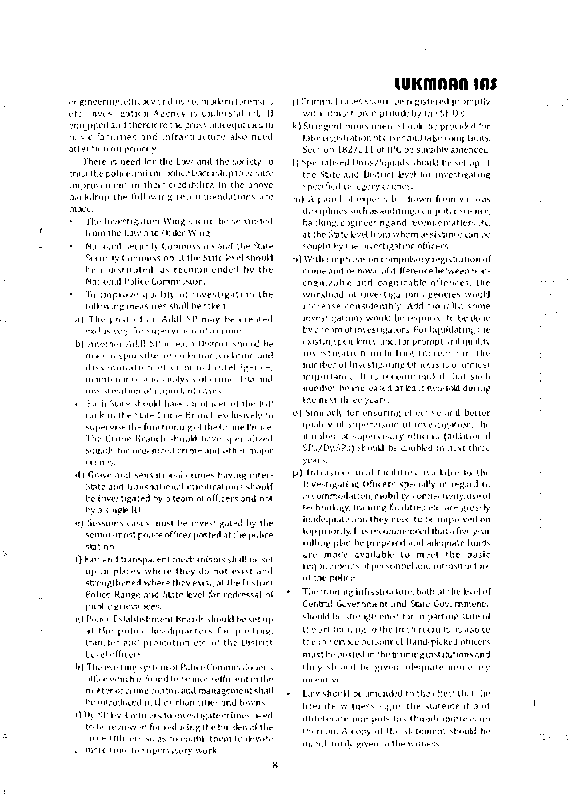
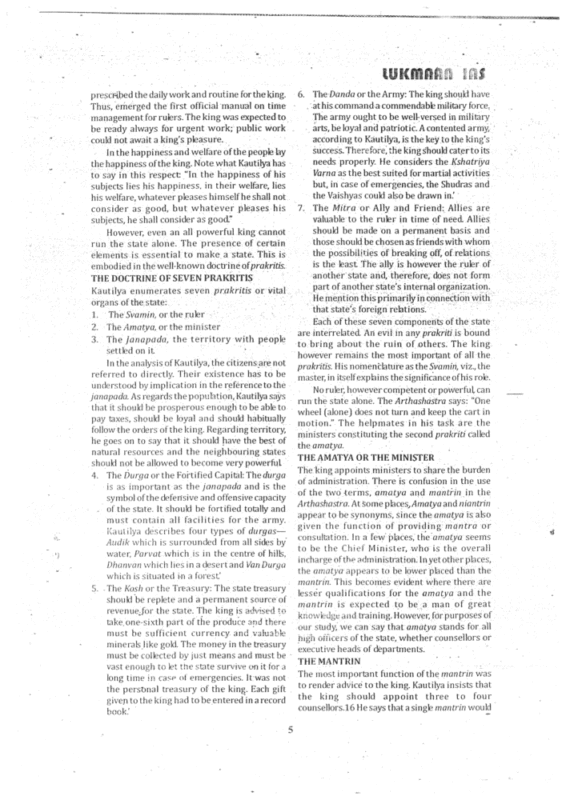
Lukmaan IAS Public Administration Notes by Ansari Sir 2025-26 β 14 English Medium Printed Booklets for UPSC Mains Optional
Related: Public Administration optional Β· Lukmaan IAS notes
Product Overview
| Feature | Details |
|---|---|
| Booklets Count | 14 Individual Printed Booklets β Full UPSC Public Administration Optional Syllabus (Paper I + Paper II) |
| Language | English Medium |
| Publisher | Lukmaan IAS (S. Ansari Sir Class Notes Series) |
| Edition | 2025-26 β Latest Genuine Batch |
| Condition | Brand New, Unmarked, Fresh Stock |
| Format | High-Quality Printed Booklets β Spiral or Book Binding |
| Paper Quality | 75 GSM Ultra-White β Highlighter Safe, Zero Bleed-Through |
| Shipping | Pan India Delivery in 3-5 Business Days β Tracked |
| Also Useful For | BPSC, UPPSC, MPPSC, RAS and all State PSC optional exams with Public Administration as an optional subject |
Complete Booklet Catalog
These 14 printed booklets by S. Ansari Sir of Lukmaan IAS cover the entire UPSC Public Administration optional syllabus across both Paper I and Paper II β from foundational administrative theories to contemporary Indian governance challenges. This set is designed for UPSC Mains aspirants who want structured, faculty-curated class notes rather than generic textbooks.
- Booklet 1: Administrative Theory β Introduction and Evolution β Covers the meaning, scope, and importance of Public Administration; evolution from traditional to new public administration; Wilson’s politics-administration dichotomy; the Minnowbrook Perspective; paradigms of Public Administration as outlined by NicolΓ‘s Henry; relationship with other social sciences including political science, sociology, and management.
- Booklet 2: Theories of Organisation β Detailed treatment of Classical Theory (Scientific Management by Taylor, Administrative Management by Fayol, Bureaucratic Theory by Weber); Human Relations Theory (Elton Mayo, Hawthorne experiments); Behavioural approach; Systems approach; Contingency Theory; their relevance and critique in the context of UPSC optional paper questions.
- Booklet 3: Principles of Organisation β Hierarchy and its significance; Unity of command and span of control; Authority, power, and responsibility; Delegation and decentralisation; Coordination β meaning, types, and techniques; Line, staff, and auxiliary agencies; Committees β role, types, and limitations in administrative structures relevant to UPSC Mains.
- Booklet 4: Accountability and Control β Legislative control over administration including parliamentary committees, question hour, and zero hour; Executive control β cabinet, ministerial responsibility; Judicial control β writs, tribunals, PIL; Citizen’s Charter; RTI Act, 2005 and its implications; Ombudsman and Lokpal; Lokayukta; administrative ethics and anti-corruption measures.
- Booklet 5: Administrative Behaviour β Simon’s concept of decision-making and bounded rationality; value versus fact dichotomy; Communication in organisations β formal and informal channels; Motivation theories β Maslow, Herzberg, McGregor’s Theory X and Y, Vroom’s expectancy theory; Leadership styles β authoritarian, democratic, laissez-faire; Group dynamics and organisational culture.
- Booklet 6: Personnel Administration β Recruitment β open versus closed systems, UPSC and SSC; Training β pre-service and in-service, central training institutions; Performance Appraisal β ACR/APAR system; Promotion policies β merit versus seniority; Pay commissions in India; Service rules β AIS, CCS rules; Staff relations and service associations; Morale and its significance in administration.
- Booklet 7: Financial Administration β Budgetary process in India β preparation, enactment, execution; Types of budgets β performance, zero-based, gender budgeting, outcome budgeting; Parliamentary financial committees β PAC, Estimates Committee, Committee on Public Undertakings; CAG β role, functions, and constitutional position; Financial accountability and audit systems; Finance Commission and fiscal federalism.
- Booklet 8: Indian Administration β Constitutional Framework β Constitutional provisions relating to administration β President, Prime Minister, Council of Ministers; Cabinet Secretariat and PMO; Constitutional bodies β UPSC, Finance Commission, Election Commission; Fundamental Rights and Directive Principles as administrative guidelines; Emergency provisions and their administrative impact; Centre-State administrative relations under Articles 256-263.
- Booklet 9: State and District Administration β Role of Governor; Chief Minister and Council of Ministers; State Secretariat and Directorates; Chief Secretary β role and functions; District administration β evolution, DC/Collector role; Sub-divisional and tehsil administration; Relationship between state and field agencies; Role of prefectoral system in Indian administration; District Planning Committee.
- Booklet 10: Local Self-Government β 73rd and 74th Constitutional Amendments β significance and provisions; Panchayati Raj Institutions β structure, powers, functions; Urban Local Bodies β Municipal Corporations, Municipalities, Nagar Panchayats; State Finance Commission; District Planning Committee; Metropolitan Planning Committee; Decentralisation β issues and challenges; e-Governance in local bodies; Gram Sabhas and participatory governance.
- Booklet 11: Civil Services in India β Historical evolution from colonial to post-independence period; All India Services β IAS, IPS, IFoS; Central Services; Generalist versus specialist debate; Lateral entry into civil services; Neutrality and anonymity of civil servants; Civil service reforms post-Sixth Pay Commission; ARC reports on civil service reform; Role of civil services in a democracy.
- Booklet 12: Administrative Reforms and New Public Management β Administrative Reforms Commissions β First and Second ARC recommendations; New Public Management (NPM) β principles and critique; E-Governance β pillars, initiatives like Digital India, UMANG, DigiLocker; Right-sizing of government; Public-Private Partnerships; Citizen-centric administration; Performance management systems; Governance reforms post-liberalisation; Good Governance indicators.
- Booklet 13: Development Administration and Welfare Schemes β Concept and evolution of Development Administration; Participative development; Capacity building; SHGs and their administrative significance; Rural development programmes β MGNREGS, PMGSY, PMAY; Social welfare programmes β mid-day meal, ICDS; Tribal administration β Fifth and Sixth Schedules; Minority welfare administration; Women-centric governance and gender mainstreaming.
- Booklet 14: Comparative and Contemporary Themes in Public Administration β Comparative public administration β Riggs’ prismatic model; Ecology of administration; Globalisation and its impact on governance; Public Administration in USA, UK, France, and Japan β key features; Collaborative governance; Social audit; Grievance redressal mechanisms; CPGRAMS; Future of Public Administration β AI, big data, and smart governance; Previous years’ UPSC question trends and answer-writing strategies.
In-Depth Content Breakdown: Booklet by Booklet
Booklet 1: Administrative Theory β Introduction and Evolution
This opening booklet lays the conceptual foundation for the entire UPSC Public Administration optional. Ansari Sir begins with the meaning and scope of Public Administration, tracing its evolution from a narrow administrative science to a broad governance discipline. The Wilson-Weber-Fayol tradition is explained in the context of UPSC Mains questions, with special focus on the politics-administration dichotomy that continues to appear in Paper I. The Minnowbrook Perspective and NicolΓ‘s Henry’s paradigms are treated with precision, making abstract concepts accessible.
What sets this booklet apart is how Ansari Sir connects classical theories to contemporary Indian administrative reality β a linkage that UPSC examiners reward. Structured flow charts map the evolution of the discipline chronologically, and margin notes highlight “frequently asked” angles. The booklet also establishes the relationship between Public Administration and allied social sciences, a recurring theme in 10-mark UPSC questions. Every concept is followed by a model answer approach that helps aspirants structure 15-mark and 20-mark responses confidently.
Booklet 2: Theories of Organisation
Organisational theories form one of the highest-yield topics in UPSC Public Administration Paper I. This booklet covers Classical Theory in depth β Taylor’s Scientific Management, Fayol’s 14 Principles, and Weber’s ideal-type bureaucracy β before transitioning to the Human Relations school with Elton Mayo’s Hawthorne Studies explained through illustrative examples. The Systems approach (Katz and Kahn) and Contingency Theory (Lawrence and Lorsch) are treated with sufficient depth for UPSC Mains, and their critiques are presented alongside to enable balanced answer writing.
Ansari Sir’s classroom style shines through in this booklet β complex theories are broken into digestible components using comparison tables and side-by-side analysis charts. The booklet explicitly maps each theory to UPSC previous year questions from 2013 to 2024, helping aspirants understand examiner expectations. A special section on the Behavioural approach (Simon, Barnard) bridges classical and modern theories. The booklet closes with a synthesis note that helps aspirants write integrative answers connecting multiple theoretical schools β a skill that distinguishes top scorers.
Booklet 3: Principles of Organisation
This booklet addresses the structural principles that govern how organisations are built and managed β a topic that appears consistently in UPSC Public Administration Paper I. Hierarchy, unity of command, span of control, authority, and responsibility are explained not just as abstract principles but with their practical implications in Indian administrative structures. The tension between centralisation and decentralisation is explored with Indian examples like the Collector system and Panchayati Raj, making the content immediately relatable and application-ready for Mains answers.
Coordination β one of the most frequently asked principles β receives extended treatment, with Ansari Sir differentiating between procedural, substantive, vertical, and horizontal coordination through real examples from Indian governance. Line, staff, and auxiliary agency distinctions are clarified with organisational diagrams. The booklet also covers committees β their types, advantages, and pathologies β which is a consistent 10-marker topic. Delegation principles are explained with emphasis on why Indian administration struggles with effective delegation, a contemporary critique angle UPSC appreciates in answers.
Booklet 4: Accountability and Control
Accountability mechanisms represent a dominant theme across both UPSC Public Administration papers, and this booklet treats the subject with the depth it deserves. Legislative control mechanisms β parliamentary questions, debates, committees like PAC and Estimates Committee β are laid out systematically. Ministerial responsibility and cabinet accountability are explained with constitutional references. Judicial control through writs (Mandamus, Certiorari, Prohibition, Quo Warranto, Habeas Corpus) is covered with their specific applications in administrative law, making this booklet essential reading for UPSC Mains answer writing.
The RTI Act, 2005 receives dedicated attention β its provisions, exemptions, Information Commission structure, and recent amendments β given its centrality to UPSC questions on transparency. The Lokpal and Lokayuktas Act is covered in detail along with the evolution of the Ombudsman concept globally. Ansari Sir integrates the Second ARC recommendations on accountability throughout this booklet, providing a reform-oriented perspective that UPSC examiners consistently look for. Citizen’s Charter and e-Governance as accountability tools are treated with current examples, keeping the content aligned with the 2025-26 UPSC syllabus.
Booklet 5: Administrative Behaviour
Herbert Simon’s theory of administrative behaviour β bounded rationality, satisficing, and the decision-making process β is the intellectual centrepiece of this booklet and one of the most important topics for UPSC Public Administration optional. Ansari Sir explains Simon’s critique of classical principles as “proverbs of administration” and builds the case for a science of administration based on empirical observation. The value-fact dichotomy is treated with philosophical depth, connecting it to Barnard’s acceptance theory of authority and the zone of indifference concept.
Motivation theories are presented in a highly structured comparative format β Maslow’s hierarchy, Herzberg’s two-factor theory, McGregor’s Theory X and Y, Vroom’s expectancy, and McClelland’s achievement motivation are placed side by side for easy revision. Leadership styles and their administrative implications are covered with recent examples from Indian administrative leadership. Communication channels β formal versus informal, grapevine, and communication barriers in bureaucracy β are treated with UPSC answer-writing frameworks. A dedicated section on organisational culture and its impact on administrative effectiveness rounds out the booklet.
Booklet 6: Personnel Administration
Personnel administration is an applied topic where UPSC questions regularly demand both conceptual clarity and Indian context. This booklet covers the entire spectrum from recruitment philosophy β merit vs. representation, open vs. closed systems β to the functioning of UPSC and SPSC as constitutional recruitment bodies. Pre-service and in-service training systems, including LBSNAA, SVPNPA, and departmental training institutes, are explained with their objectives and effectiveness critiques. The Annual Performance Appraisal Report (APAR) system is detailed with the 360-degree feedback reform debate.
Promotion policies β the seniority vs. merit controversy β are covered with the DPC (Departmental Promotion Committee) process and court judgements. Pay Commission recommendations from the Sixth and Seventh Pay Commissions are summarised with their impact on administrative motivation and fiscal burden. Service rules under CCS (Conduct) Rules and CCS (CCA) Rules are explained to the extent required for UPSC Mains. Staff relations, recognised service associations, and joint consultative machinery complete the booklet. Ansari Sir’s notes highlight how morale and motivation link personnel practices to administrative effectiveness.
Booklet 7: Financial Administration
Financial Administration is a technically demanding area of UPSC Public Administration that many aspirants underprep. This booklet makes the budget cycle accessible β from the Demand for Grants stage through parliamentary approval to execution and audit. Performance budgeting, Zero-Based Budgeting (ZBB), outcome budgeting, and gender budgeting are explained with Indian examples, including how ZBB was attempted in India. The FRBM Act and its fiscal discipline targets are covered in the context of financial accountability β a topic gaining relevance in recent UPSC questions.
The CAG’s constitutional position under Articles 148-151 is explained in detail, including the distinctions between different types of audit β regularity, propriety, efficiency, and performance audit. Parliamentary financial committees β PAC, Estimates Committee, and Committee on Public Undertakings β are differentiated with their specific mandates and limitations. Finance Commission and its role in Centre-State fiscal relations bridges this booklet with Indian federal administration. Ansari Sir’s presentation of this topic includes solved previous year question frameworks, enabling aspirants to directly apply concepts in UPSC Mains answer writing.
Booklet 8: Indian Administration β Constitutional Framework
UPSC Public Administration Paper II begins with the constitutional and structural basis of Indian administration, and this booklet is the gateway to that paper. President’s constitutional role versus actual functioning, Prime Minister’s dominance in the cabinet system, and the Council of Ministers’ collective responsibility are explained with landmark constitutional cases and administrative conventions. The Cabinet Secretariat and PMO β their evolution, functions, and expanding role β are covered in detail as they feature regularly in UPSC Mains questions on central administration.
Constitutional bodies β UPSC, Election Commission, Finance Commission, NHRC, CVC β are treated individually with their compositions, powers, and independence debates. Fundamental Rights and DPSPs as administrative mandates are contextualised within administrative law. The booklet gives special attention to emergency provisions (Articles 352, 356, 360) and their administrative consequences β a topic where UPSC expects analytical answers about executive power during crises. Centre-State administrative relations under Articles 256-263, including Article 356 controversies and Sarkaria Commission recommendations, are covered with recent examples.
Booklet 9: State and District Administration
State administration is where UPSC Public Administration Paper II becomes most directly relevant to the daily realities of governance that IAS officers will face. This booklet covers the Governor’s role β constitutional versus conventional β and the contentious use of Article 356 with reference to Sarkaria Commission and Punchhi Commission recommendations. The Chief Minister’s position in the state cabinet system parallels the PM-Cabinet analysis in Booklet 8, enabling integrated understanding. State Secretariat organisation β Secretary, Special Secretary, Additional Secretary system β is explained with its coordination with field agencies.
The district remains the basic unit of Indian field administration, and Ansari Sir devotes significant attention to the Collector/DC’s multifaceted role β revenue administration, law and order, development, and disaster management. The evolution of district administration from colonial roots to post-independence transformation is traced, addressing the question of whether the generalist Collector remains relevant. Relationship between district administration and PRIs, line departments, and NGOs is analysed. Sub-divisional and tehsil administration are covered to complete the field administration picture expected in UPSC Mains answers.
Booklet 10: Local Self-Government
The 73rd and 74th Constitutional Amendments represent a watershed in Indian democratic governance, and UPSC regularly asks questions on the gap between constitutional promise and ground-level reality of decentralisation. This booklet covers the three-tier Panchayati Raj structure β Gram Panchayat, Panchayat Samiti, Zila Parishad β with their functions, funding sources, and challenges in detail. The Gram Sabha as the foundation of participatory democracy receives dedicated coverage, including the model of Kerala’s People’s Plan Campaign as a UPSC-relevant case study of successful devolution.
Urban Local Bodies β Municipal Corporations, Municipalities, Town Area Committees, and Nagar Panchayats β are covered with the 18 functions listed in the 12th Schedule and the reality of functional devolution challenges. State Finance Commissions and their role in devolving financial resources are explained alongside the persistent problem of parallel bodies undermining PRI authority. E-Governance in local bodies, including SVAMITVA scheme, eSamiksha, and smart city missions, connects the traditional governance structure with contemporary reform. Ansari Sir ensures this booklet directly addresses UPSC questions on decentralisation versus deconcentration.
Booklet 11: Civil Services in India
Civil services lie at the heart of Indian administrative machinery, and UPSC questions on this topic span history, structure, and reform. This booklet traces the evolution of civil services from the Cornwallis reforms through the Macaulay Committee to post-independence reorganisation under Sardar Patel’s vision of an All India Service binding the federation. The IAS, IPS, and IFoS as the three All India Services are explained with their constitutional basis (Article 312), training systems, and role in Centre-State relations. The generalist-specialist controversy is analysed with arguments from multiple ARC reports.
Lateral entry into civil services at Joint Secretary and Secretary levels β its rationale, international precedents, and criticism regarding bypassing constitutional merit processes β is covered as a contemporary reform theme that UPSC expects aspirants to engage with analytically. Anonymity and neutrality as traditional civil service values are contrasted with demands for accountability and public responsiveness in the NPM era. The booklet addresses civil service reforms recommended by the Second ARC, including performance contracts, fixed tenure, and civil services boards β topics that regularly appear in UPSC Mains questions on administrative reform.
Booklet 12: Administrative Reforms and New Public Management
Administrative reform is a living theme in UPSC Public Administration, connecting historical reform efforts to contemporary governance challenges. This booklet opens with the First ARC (1966-70) and its major recommendations, then moves to the Second ARC (2005-09) with its 15 reports β each contextualised for UPSC answer-writing relevance. New Public Management (NPM) β its seven doctrines as identified by Hood, its origins in Thatcherite Britain and Reaganite USA, and its transfer to Indian administrative reform β is covered with both its promises and its critiques from a public interest perspective.
E-Governance receives extended treatment: pillars of e-governance, the National e-Governance Plan (NeGP), Digital India programme initiatives (DigiLocker, UMANG, PFMS, GeM portal), and challenges of digital divide and cyber security. Public-Private Partnerships (PPPs) in infrastructure and social services are covered with success stories and failure analyses. The concept of good governance β World Bank’s six indicators β is explained with India’s governance reform journey. Ansari Sir connects each reform theme to specific UPSC previous year questions, enabling aspirants to see how abstract concepts translate into high-scoring Mains answers.
Booklet 13: Development Administration and Welfare Schemes
Development Administration emerged as a post-colonial discipline responding to the challenge of nation-building, and UPSC Paper II questions on this theme demand both theoretical grounding and scheme-level knowledge. This booklet covers the concept and evolution of Development Administration β from Riggs’ transitional societies to the participatory development paradigm. Capacity building, community mobilisation, and the role of Self-Help Groups (SHGs) in the administrative delivery chain are treated with examples from NABARD-supported SHG-Bank Linkage Programme and state-level models like Kudumbashree.
Rural and urban development programmes are covered with sufficient administrative detail for UPSC β MGNREGS (implementation machinery, social audit, grievance redressal), PMAY-G and PMAY-U, PMGSY, Jal Jeevan Mission, and Smart Cities Mission. Tribal administration β provisions of Fifth and Sixth Schedules, PESA Act 1996, Forest Rights Act 2006, and the role of tribal advisory councils β is treated as a distinct administrative sub-system. Women-centric governance, gender budgeting, and institutional mechanisms for women’s welfare (NCW, NIPCCD, SHG-led governance) are covered to meet UPSC’s increasing focus on inclusive administration.
Booklet 14: Comparative and Contemporary Themes in Public Administration
The final booklet takes a global and forward-looking perspective that UPSC examiners increasingly reward. Comparative Public Administration β Riggs’ ecological approach, his sala model for transitional societies, and the prismatic-prisma-sala typology β is covered with clarity rarely found in standard textbooks. Administrative systems of the USA (spoils system, merit system, POSDCORB tradition), UK (Westminster model, Next Steps Agencies), France (grande corps, prefectoral system), and Japan (bureaucratic elite, consensual decision-making) are compared and contrasted for UPSC answer-writing utility.
Contemporary themes receive dedicated treatment: collaborative governance and its relevance to India’s cooperative federalism; social audit as a tool of participatory accountability; CPGRAMS as a centralised grievance redressal mechanism; and the emerging role of artificial intelligence, big data, and predictive analytics in governance. Ansari Sir closes this booklet β and the entire 5-booklet series β with a chapter on answer-writing strategies for UPSC Public Administration optional, covering how to approach 10-mark, 15-mark, and 20-mark questions, use of examples, integration of theories with current events, and time management in the 3-hour Mains paper.
Physical Construction and Quality Standards
Every booklet in this Lukmaan IAS Public Administration set is printed and bound to withstand the demands of serious UPSC optional preparation β months of repeated reading, margin annotation, and revision cycles that printed notes must survive without deterioration.
Paper Quality: 75 GSM Anti-Glare White Paper
The 75 GSM ultra-white paper used in these booklets is selected specifically for UPSC aspirants who spend 6-8 hours daily with study material. The paper weight ensures high opacity β text from the reverse side does not bleed through, even with heavy ink printing. All common highlighter colours (yellow, green, pink, orange) and gel pens can be used without ghosting on the opposite side. The anti-glare coating reduces eye strain during long study sessions under both natural and artificial light, making these booklets comfortable for extended use throughout your Public Administration optional preparation.
Printing Technology: High-Resolution Laser Printing
These Lukmaan IAS Public Administration notes are produced using high-resolution laser printing technology, ensuring every diagram, flowchart, comparison table, and organisational chart reproduces with sharp, examination-readable clarity. Laser toner is heat-fused into the paper fibre, making it permanently smudge-proof β no ink transfer when pages rub against each other during extended reading. Footnotes, margin annotations, and small-font reference material maintain full legibility. The crispness of printed text reduces reading fatigue, important for aspirants who must process dense administrative theory content across 5 Booklets over weeks of preparation.
Binding and Durability
Each booklet uses either spiral binding or book binding depending on the volume of content. Spiral-bound booklets open completely flat on a study table, freeing both hands for note-taking alongside the printed material β a practical advantage during active reading sessions. Book-bound volumes sit compactly on shelves and travel safely in bags without page displacement. All booklets feature a 300 GSM laminated cover that resists moisture, bending, and abrasion during daily use. Spine labelling on each booklet allows quick identification without unpacking the entire set β a small but significant convenience across a 5-booklet optional series.
Key Features and Study Design
Ansari Sir’s Lukmaan IAS Public Administration notes are designed around one core objective: helping UPSC aspirants score maximum marks in a 500-mark optional subject through structured content, exam-oriented presentation, and progressive coverage from foundation to mastery.
- Faculty-Curated Class Notes: These are S. Ansari Sir’s actual classroom notes β not generic textbook summaries. The content reflects years of teaching the UPSC Public Administration optional, with emphasis on topics that appear frequently, angles examiners reward, and theoretical frameworks that elevate answers from average to outstanding.
- UPSC Syllabus Mapped Coverage: All 5 Booklets collectively cover 100% of the UPSC Public Administration optional syllabus for both Paper I (Administrative Theory) and Paper II (Indian Administration). Each booklet’s content is explicitly mapped to syllabus points, eliminating guess work about what is examinable and what is supplementary reading.
- Previous Year Question Integration: UPSC previous year questions from 2013 to 2024 are referenced throughout the notes β at the relevant concept, not merely listed at the end. This approach trains aspirants to think about content in terms of how it has been asked, which is the single most effective way to prepare for UPSC Mains optional papers.
- Comparative Tables and Flow Charts: Abstract theories in Public Administration β motivation theories, organisational models, budget types, control mechanisms β are converted into comparative tables and visual flowcharts that enable rapid revision and clear differentiation, essential skills for 3-hour UPSC Mains answer writing under time pressure.
- Contemporary Governance Integration: The 2025-26 edition integrates recent developments β Digital India updates, lateral entry controversy, ARC-II recommendations, new welfare scheme implementations, and e-governance initiatives β keeping the notes current with the evolving landscape of Indian administration that UPSC’s General Studies and optional papers increasingly demand knowledge of.
Shipping, Packaging and Delivery
Your 5-booklet Lukmaan IAS Public Administration set is packaged with the same care you bring to your UPSC preparation. Each order is individually shrink-wrapped to keep booklets dust-free and moisture-resistant from our warehouse to your doorstep. The shrink-wrapped bundle is placed inside a rigid corrugated cardboard box rated for transit stress, with foam edge protectors securing the corners of the booklets against impact. A “Do Not Bend” label is prominently marked on all sides of the outer box. Every booklet is inspected for print quality and page completeness before packing. The set weighs approximately 2.5-3 kg and is dispatched via tracked courier partners with nationwide reach.
Orders are processed and dispatched within 24 hours of payment confirmation, with delivery across India completed in 3-5 business days. A tracking ID is shared via email and WhatsApp immediately upon dispatch. For any query about your order, delivery status, or booklet condition, reach us on WhatsApp at +91 70045 49563 β our team responds within 2 hours on business days. If any booklet arrives with a printing defect or is found missing from your set, we replace it within 48 hours at zero cost. We are committed to ensuring every UPSC aspirant receives their complete, undamaged study material on time.
Frequently Asked Questions (FAQ)
A: Lukmaan IAS Public Administration notes by Ansari Sir are among the most widely used optional notes for UPSC Mains. They are faculty-curated class notes that cover the full syllabus with theory, Indian context, and UPSC previous year question orientation built in. Aspirants who combine these 5 Booklets with standard reference books and answer-writing practice consistently find the notes sufficient as a primary resource for UPSC Public Administration optional preparation.
A: The 2025-26 edition of Lukmaan IAS Public Administration notes by S. Ansari Sir includes 14 individual printed booklets in English medium. These 5 Booklets together cover the complete UPSC Public Administration optional syllabus β Paper I (Administrative Theory) and Paper II (Indian Administration) β from foundational concepts through comparative administration and contemporary governance themes. All 5 Booklets are dispatched together as one complete set.
A: Ansari Sir’s Lukmaan IAS notes provide strong coverage of the UPSC Public Administration optional syllabus and are designed to be the primary study resource. For best results, aspirants typically supplement these notes with one or two standard reference books (such as Mohit Bhattacharya or Prasad and Prasad) for deeper theoretical grounding, and pair them with consistent answer-writing practice. For Indian Administration sections in Paper II, these notes are widely regarded as self-sufficient for UPSC Mains preparation.
A: These booklets use 75 GSM ultra-white paper chosen for high opacity β multiple highlighter colours and gel pens work without bleed-through to the reverse side, ideal for colour-coded revision across the lengthy Public Administration optional syllabus.
A: The product listed here is the English medium edition of Lukmaan IAS Public Administration notes 2025-26 by Ansari Sir. This set is entirely in English and is designed for UPSC aspirants who write their Mains optional paper in English. If you are preparing for UPSC Public Administration optional in Hindi medium, please contact us on WhatsApp at +91 70045 49563 to check current availability of Hindi medium printed editions of Lukmaan IAS notes.
A: Yes, this is the 2025-26 edition β the latest genuine batch from Lukmaan IAS. The content has been updated to include recent developments in Indian administration, e-governance initiatives, civil service reform debates, and welfare scheme updates relevant to UPSC 2025-26 Mains preparation. The UPSC Public Administration optional syllabus itself has not undergone major revision, but Ansari Sir’s notes incorporate contemporary examples and current-affairs linkages that keep the material exam-current.
A: The 5 Booklets cover: Administrative Theory and evolution, Theories and Principles of Organisation, Accountability and Control, Administrative Behaviour, Personnel Administration, Financial Administration, Constitutional Framework of Indian Administration, State and District Administration, Local Self-Government, Civil Services in India, Administrative Reforms and New Public Management, Development Administration and Welfare Schemes, and Comparative and Contemporary themes β collectively addressing 100% of the UPSC Public Administration optional syllabus for both papers.
A: Both are respected faculty-curated resources for UPSC Public Administration optional. Lukmaan IAS Ansari Sir notes are class-room derived, offering a more conversational teaching style with strong emphasis on theoretical frameworks and UPSC previous year question orientation across 5 Booklets. Vision IAS notes tend to be more concise and structured around bullet points. The best choice depends on your learning style β many aspirants who want depth of theoretical understanding prefer Ansari Sir’s treatment, particularly for Paper I Administrative Theory sections.
A: You can buy Lukmaan IAS Public Administration notes 2025-26 by Ansari Sir as printed booklets directly from this page. This is a genuine, brand-new set from our UPSC store based in Mukherjee Nagar, Delhi. We ship pan India with delivery in 3-5 business days. Avoid unverified marketplace sellers offering these notes β photocopied or printed versions without proper quality control do not match the original print and paper standards. Buy from our store for guaranteed authentic, high-quality printed material.
A: Public Administration is a popular UPSC optional subject because its syllabus overlaps significantly with UPSC General Studies Papers II and IV (Governance, Polity, Ethics), meaning preparation effort works across multiple papers. It is a 500-mark optional, making it the single largest scoring opportunity in UPSC Mains outside the essay and GS papers. Aspirants with a background in political science, sociology, or management often find the subject accessible. Ansari Sir’s Lukmaan IAS notes are specifically designed to maximise this strategic advantage with exam-oriented content.
A: Yes, aspirants preparing for state PSC exams that include Public Administration as an optional subject β including BPSC, UPPSC, MPPSC, RAS, and other State PSCs β find Lukmaan IAS notes highly relevant. The Indian Administration sections in Paper II are particularly valuable for state-level aspirants, as State PSCs frequently ask questions on district administration, local self-government, civil services, and development administration. The notes’ coverage of constitutional provisions and administrative structures is equally applicable to state-level Mains examinations.
A: We take order accuracy and physical condition very seriously. Every set is inspected and verified before dispatch. If you receive a set with a missing booklet or one that arrives with printing defects, water damage, or physical damage from transit, simply WhatsApp us at +91 70045 49563 with a photo of the affected booklet within 48 hours of delivery. We will dispatch a replacement booklet to you within 48 hours of receiving your complaint at no additional cost. Your complete, undamaged 5-booklet set is guaranteed.
Summary
| Specification | Value |
|---|---|
| Booklets | 14 Printed Booklets |
| Language | English Medium |
| Faculty | S. Ansari Sir, Lukmaan IAS |
| Edition | 2025-26 (Latest Genuine Batch) |
| Paper | 75 GSM Ultra-White |
| Binding | Spiral or Book Binding |
| Cover | 300 GSM Laminated |
| Delivery | 3-5 Business Days Pan India |
| Also Useful For | BPSC, UPPSC, MPPSC, RAS, and all State PSC exams with Public Administration optional |
Sourced from our UPSC store in Mukherjee Nagar, Delhi β India’s largest hub for UPSC printed study material. Buy Lukmaan IAS Public Administration notes by Ansari Sir 2025-26 today and receive your complete 5-booklet set with pan India delivery in 3-5 days.
Reference: Civil Services Examination
Customer Reviews 276
Notes bahot detailed hain aur UPSC ke liye perfect content cover karte hain. Highly recommend karne layak.
Structure bilkul sahi hai aur har topic ko properly explain kiya gaya hai.
Perfect study material for Public Administration.
Notes hain theek taak, lekin kuch topics zyada detailed hone chahiye the. Paisa thik hai but expectations thodi zyada the.
Really helpful for mains preparation.
Material bohot detailed aur organized hai. Public Administration ke liye must-have.
Notes ekdum crystal clear hain aur examples bhi relevant hain. Packing bhi proper tha.
Content mein sab major topics hain jo helpful hai. Par explanation thoda basic level ka lag raha hai.
Aspirants Also Bought
More from the same category
About Lukmaan IAS Public Administration Notes by Ansari Sir 2025-26
Lukmaan IAS Public Administration Notes by Ansari Sir 2025-26 is a highly recommended UPSC study material from Lukmaan IAS, specially designed for Public Administration preparation. Available in English medium, this material is crafted to match the exact requirements of the UPSC Civil Services Examination syllabus β covering both Prelims and Mains comprehensively.
Product Details
- Institute: Lukmaan IAS
- Subject: Public Administration
- Medium: English
- Format: Printed
- Delivery: Pan-India delivery in 3β5 working days
- Format: Original printed material, verified authentic
Why Buy from UPSC Store?
- β 100% Genuine Printed Material β Original printed notes, no photocopies or fake copies
- β Fast Delivery β Ships within 24 hours, arrives in 3β5 days pan-India
- β Secure Packaging β Bubble-wrapped and boxed to prevent damage in transit
- β Trusted by 10,000+ Aspirants β India's most reliable UPSC material marketplace
- β WhatsApp Support β Get expert guidance on material selection before ordering
Frequently Asked Questions
Yes, all products at UPSC Store are 100% genuine printed materials. We do not sell photocopies or fake copies.
Orders are dispatched within 24 hours and delivered across India in 3β5 working days via reputed courier partners.
Yes, we accept returns within 7 days if the product is damaged or incorrect. Check our refund policy for details.
We recommend pairing this with current affairs notes and a UPSC test series for comprehensive preparation. Browse more in Optional, Public Administration, UPSC.