

Shabbir Sir Edukemy Geography Optional Notes 2025-26
About Edukemy Geography Optional 2025-26 Notes
The Edukemy Geography Optional 2025-26 Notes is a printed UPSC study material set sold by UPSC Store — India’s trusted source for genuine, latest-batch civil services preparation books. This page covers full booklet details, syllabus coverage, pricing, shipping, and frequently asked questions. Useful for UPSC CSE, BPSC, UPPSC, MPPSC, RAS and other state PSC examinations.
Shabbir Sir Edukemy Geography Optional Notes 2025-26 — 10 English Medium Printed Booklets for UPSC Mains Geography Optional
Related: Edukemy notes · Geography Optional books
Product Overview
| Feature | Details |
|---|---|
| Booklets Count | 10 Individual Printed Booklets — Full Geography Optional Syllabus Coverage (Paper I + Paper II) |
| Language | English Medium |
| Publisher | Edukemy (Shabbir Sir Geography Optional Series) |
| Edition | 2025-26 — Latest Genuine Batch |
| Condition | Brand New, Unmarked, Fresh Stock |
| Format | High-Quality Printed Booklets — Spiral or Book Binding |
| Paper Quality | 75 GSM Ultra-White — Highlighter Safe, Zero Bleed-Through |
| Shipping | Pan India Delivery in 3-5 Business Days — Tracked |
| Also Useful For | BPSC, UPPSC, MPPSC, RAS and all State PSC Geography Optional |
Complete Booklet Catalog
This 4-booklet set by Shabbir Sir from Edukemy covers the complete UPSC Geography Optional syllabus across both Paper I (Physical and Human Geography) and Paper II (Geography of India), structured for systematic Mains preparation. Aspirants who want to buy well-organized, topic-wise geography optional printed notes online will find this set the most structured option available for the 2025-26 UPSC cycle.
- Booklet 1: Geomorphology and Interior of the Earth — Origin of the Earth, internal structure, plate tectonics theory, continental drift, seafloor spreading, earthquakes, volcanism, landforms produced by endogenic and exogenic forces, geomorphic processes, slope development theories, and applied geomorphology relevant to UPSC Geography Optional Paper I.
- Booklet 2: Climatology and Oceanography — Atmosphere composition and structure, solar radiation, heat budget, temperature inversion, pressure belts, planetary winds, monsoon systems, El Niño and La Niña, ocean currents, salinity, tides, coral reefs, and marine resources — all critical topics for UPSC Geography Optional Paper I Section B.
- Booklet 3: Biogeography and Environmental Geography — World biomes, soil formation and classification, vegetation types and their distribution, ecological concepts, global environmental issues including climate change, ozone depletion, biodiversity loss, environmental degradation, and sustainable development frameworks tested in UPSC Mains Geography Optional.
- Booklet 4: Perspectives in Human Geography — Evolution of geographical thought from determinism to possibilism, neo-determinism, quantitative revolution, behavioural and welfare geographies, radical and feminist approaches, post-modernism in geography — forming the theoretical backbone of UPSC Geography Optional Paper I Section C.
- Booklet 5: Economic Geography — Agricultural systems and world agricultural regions, industrial location theories (Weber, Losch, Christaller), industrial regions, energy and mineral resources, transport networks, trade patterns, globalization and its geographical impacts — high-weightage topics in UPSC Geography Optional Paper I.
- Booklet 6: Population, Settlement and Regional Geography — Population distribution and growth theories, demographic transition, migration, world settlement patterns, rural and urban geography, urban primacy, urbanization trends, regional disparities, and concepts of regional planning tested frequently in UPSC Geography Optional Mains.
- Booklet 7: Physical Geography of India — Physiographic divisions of India, drainage systems (Himalayan and Peninsular rivers), Indian climate and monsoon mechanism, natural vegetation, soils of India, floods and droughts — foundational topics for UPSC Geography Optional Paper II with direct question frequency in recent UPSC Mains papers.
- Booklet 8: Resources, Agriculture and Industries of India — Land use and land reforms, irrigation systems, agricultural types and green revolution, food security, mineral and energy resources, industrial policy, industrial regions of India, SEZs, infrastructure development — all core Paper II topics for UPSC Geography Optional examination.
- Booklet 9: Transport, Trade and Human Geography of India — Indian transport networks (road, rail, air, waterways), trade patterns and major ports, population geography of India, linguistic and religious patterns, urbanization in India, urban agglomerations, migration trends, and regional development — essential for UPSC Geography Optional Paper II.
- Booklet 10: Regional Planning, Disasters and Contemporary Issues — Regional planning strategies, watershed development, drought-prone and flood-prone area programmes, environmental issues in India, disaster management framework, GIS and remote sensing applications, border issues, and India’s geopolitical position — high-value topics for UPSC Geography Optional Paper II final sections.
In-Depth Content Breakdown: Booklet by Booklet
Booklet 1: Geomorphology and Interior of the Earth
Geomorphology consistently features in UPSC Geography Optional Paper I with 20–30 marks worth of questions in recent years. Booklet 1 by Shabbir Sir covers the origin and age of the Earth, internal structure from crust to inner core, isostasy, plate tectonics with case studies of major tectonic boundaries, seafloor spreading evidence, rock cycle, and major geomorphic processes including weathering, mass wasting, and fluvial, glacial, aeolian and coastal landform development — all areas where UPSC Mains questions are directly drawn.
What distinguishes this Edukemy booklet is Shabbir Sir’s approach of linking each geomorphic process to real geographic examples — the Himalayas for orogenic processes, the Deccan Plateau for lava plateaus, and the Thar Desert for aeolian landforms. The booklet includes clearly drawn diagrams of plate boundaries, fold mountains, rift valleys, and river landforms (V-shaped valleys, waterfalls, meanders, deltas) with annotations. Slope development theories by Davis, Penck, and King are compared in tabular form for quick revision before UPSC Geography Optional Mains.
Booklet 2: Climatology and Oceanography
Climatology and Oceanography together account for a significant portion of UPSC Geography Optional Paper I questions. Booklet 2 covers the entire atmospheric science segment — from composition and layers of the atmosphere to the energy budget, lapse rates, temperature inversions, pressure and wind systems, Ferrel’s law, jet streams, and cyclone formation (tropical and extra-tropical). The monsoon chapter is treated in depth given its recurring appearance in UPSC Geography Optional Mains, with both classical and modern theories explained alongside the El Niño–Southern Oscillation impact on Indian monsoon.
The oceanography section within this booklet addresses ocean relief, temperature distribution, salinity patterns, ocean currents (warm and cold with global map), tides, wave action, coral reefs (types and distribution), and marine resources including deep-sea mining. Shabbir Sir has incorporated relevant data tables showing salinity variation across oceans and temperature-depth relationship charts. Climate classification systems — Koppen, Thornthwaite — are presented with world distribution maps reproduced in crisp print, making this booklet an asset for any aspirant preparing for UPSC Geography Optional Paper I examinations.
Booklet 3: Biogeography and Environmental Geography
Biogeography and Environmental Geography form Section B of UPSC Geography Optional Paper I and carry high marks in Mains. Booklet 3 starts with world biome distribution — tropical rainforests, savannas, temperate grasslands, boreal forests, tundra — linking each to climate, soil, and human activity. Soil geography covers pedogenesis, soil profiles, major soil orders (Alfisols, Mollisols, Ultisols, etc.) and their world distribution. Vegetation distribution patterns and their relationship with climate gradients are explained through Humboldt’s vegetation zones, relevant for UPSC Geography Optional questions on biogeography.
Environmental Geography in this booklet covers global warming (causes, evidence, IPCC frameworks), sea-level rise, desertification, deforestation, acid rain, ozone layer depletion, and loss of biodiversity — all topics that have appeared as direct questions in UPSC Geography Optional Mains in the last five years. The booklet also integrates the concept of ecological footprint, carrying capacity, and sustainable development models. International conventions (Kyoto Protocol, Paris Agreement, CBD) are listed with key provisions in a compact table format that is particularly useful for last-minute revision before UPSC Mains examination.
Booklet 4: Perspectives in Human Geography
The evolution of geographical thought is one of the most frequently tested theory sections in UPSC Geography Optional Paper I. Booklet 4 traces the development of geography from classical Greek and Arab geographers through the German school (Humboldt, Ritter), French school (Vidal de la Blache), environmental determinism, possibilism, stop-and-go determinism, and Neo-determinism. The quantitative revolution, systems approach, and spatial analysis methods are explained with examples that Shabbir Sir has structured to directly answer UPSC Mains format questions on the history of geographical thought.
The second half of Booklet 4 covers post-1970 approaches — behavioural geography, welfare geography, radical geography, Marxist geography, feminist geography, and post-modern geography. Each school of thought is presented with its key thinkers, core arguments, and critiques. Shabbir Sir has included comparison tables contrasting determinism vs. possibilism and quantitative vs. behavioural approaches — a study design that helps UPSC Geography Optional aspirants write structured 150-word and 250-word answers on these theoretical topics. This booklet is among the most cited sections in Edukemy’s geography optional course for UPSC.
Booklet 5: Economic Geography
Economic Geography carries substantial weightage in UPSC Geography Optional Paper I. Booklet 5 covers agricultural geography including world agricultural regions (Whittlesey’s classification), types of farming, Green Revolution and its geographical spread, food security issues, and changing agricultural patterns due to globalization. Industrial location theories — Weber’s least cost theory, Losch’s profit maximization theory, and growth pole concept — are explained with diagrams and case studies. Energy resources (coal, petroleum, natural gas, nuclear, renewable) and their global distribution are mapped out with production and reserve statistics.
The booklet further addresses transport geography — road, rail, sea, and air networks worldwide — and their relationship to economic development. Trade geography covers major world trade patterns, WTO framework, regional trading blocs, and changing trade flows post-2000. The section on globalization examines TNCs, FDI flows, global commodity chains, and deindustrialization in developed economies — all topics where UPSC Geography Optional questions have appeared repeatedly. Shabbir Sir has structured this booklet with real-world geographic examples from North America, Europe, and Asia to contextualize each economic geography theory for UPSC aspirants.
Booklet 6: Population, Settlement and Regional Geography
Population and Settlement Geography form a major part of UPSC Geography Optional Paper I Section D. Booklet 6 opens with world population distribution — identifying high and low density zones with geographic explanations. Population growth theories (Malthus, demographic transition model) and population policies are discussed with reference to UPSC-relevant examples from India, China, and sub-Saharan Africa. Migration theories — Ravenstein’s laws, Lee’s push-pull model, and Zelinsky’s mobility transition — are explained with contemporary migration examples including refugee crises and economic migration patterns.
The settlement geography section covers rural settlement types (dispersed, nucleated, linear) and their geographic determinants, followed by urban geography including urban morphology, central place theory (Christaller), rank-size rule, primate cities, urban growth models (concentric zone, sector, multiple nuclei), and problems of urbanization in developing countries. Regional geography concepts — formal, functional, and perceptual regions — are explained with Shabbir Sir’s structured notes particularly useful for UPSC Geography Optional questions on regionalism, regional planning, and regional disparities in the context of both India and the world.
Booklet 7: Physical Geography of India
Booklet 7 marks the transition to UPSC Geography Optional Paper II and opens with the physiographic divisions of India — the Himalayas (three parallel ranges), the Indo-Gangetic Plain (Bhabar, Terai, Bhangar, Khadar), the Peninsular Plateau (Western Ghats, Eastern Ghats, Deccan Plateau), coastal plains, and island groups. Each physiographic region is analysed in terms of geological formation, relief characteristics, and human significance. Drainage patterns — Himalayan (antecedent) and Peninsular (superimposed/consequent) rivers — are covered with river interlinking debates relevant to current UPSC Geography Optional questions.
The Indian climate section in Booklet 7 provides a detailed treatment of the Indian monsoon — onset mechanism, break monsoon, retreating monsoon, regional climate variations, and climate classification of India. Natural vegetation types (tropical evergreen, deciduous, thorn, mangroves, montane forests) and their distribution aligned with rainfall and temperature data are covered with maps. Indian soils — alluvial, black, red, laterite, desert, and mountain soils — are described with their formation, distribution, and agricultural significance. Floods and droughts, including their regional patterns and management, are discussed in the context of UPSC Geography Optional Paper II requirements.
Booklet 8: Resources, Agriculture and Industries of India
Resources and economic geography of India form the core of UPSC Geography Optional Paper II. Booklet 8 begins with land use and land reforms in India — tenancy reforms, ceiling laws, consolidation of holdings, and their geographic outcomes. Major irrigation systems (canal, tank, well/tube-well) and their regional distribution are covered alongside the green revolution geography — HYV spread, regional imbalances, and second green revolution. Agricultural types — subsistence, commercial, plantation — are mapped across India. Food security framework including PDS, MSP, and National Food Security Act is explained with geographic dimensions.
The industrial geography section of Booklet 8 covers major industrial regions of India — Mumbai–Pune, Kolkata–Hooghly, Chennai–Coimbatore, Chota Nagpur, Delhi NCR — with their locational factors, resource base, and recent changes. Mineral resources (iron ore, coal, manganese, bauxite, mica) and energy resources (thermal, hydro, nuclear, solar, wind) are mapped with production statistics. Industrial policy evolution, SEZs, Make in India, and infrastructure bottlenecks are discussed as contemporary economic geography issues directly relevant to UPSC Geography Optional Paper II answers in 2025-26 Mains.
Booklet 9: Transport, Trade and Human Geography of India
Booklet 9 covers India’s transport and connectivity networks — national highways, railway zones, inland waterways, major seaports, and airports — with their geographic distribution and economic significance. Trade geography of India includes major exports (gems, textiles, pharmaceuticals, engineering goods) and imports (crude oil, gold, electronics) along with India’s major trading partners. Special Economic Zones, ports-led development, and Sagarmala project are discussed as current geographic themes appearing in UPSC Geography Optional Paper II questions in recent examination cycles.
The human geography of India section in Booklet 9 addresses population distribution and density patterns state-wise, linguistic regions and the reorganization of states, religious distributions and their geographic patterns, scheduled caste and tribe distribution, and literacy patterns. India’s urbanization — growth of metro cities, emergence of Tier-II and Tier-III cities, urban agglomerations (Chennai MA, Bengaluru UA) — is analysed with census data. Migration patterns (rural-rural, rural-urban, inter-state) are discussed with push-pull factors. Shabbir Sir has ensured that this Edukemy booklet aligns precisely with UPSC Geography Optional Paper II Section B question patterns.
Booklet 10: Regional Planning, Disasters and Contemporary Issues
The final booklet in this Edukemy Geography Optional set covers the policy and applied geography sections that increasingly appear in UPSC Geography Optional Paper II. Regional planning in India is covered through watershed development programmes, drought-prone area programme (DPAP), desert development programme, hill area development, and tribal area development. River basin planning (Damodar Valley, Bhakra–Nangal) and their geographic significance are analysed. The concept of spatial planning and National Development Councils’ role in regional equity is discussed in the context of UPSC Geography Optional Mains answers.
Disaster geography in Booklet 10 covers India’s vulnerability to earthquakes (seismic zones), floods (flood-prone states), cyclones (east vs. west coast frequency), droughts, landslides, and tsunamis — with the National Disaster Management Authority framework and its geographic implementation. GIS and remote sensing applications in geography — satellite imagery, GPS, digital cartography — are explained for their UPSC Geography Optional relevance. India’s border disputes, geopolitical position in South Asia, and maritime boundaries are covered as contemporary geographic issues. This booklet closes the set with high-value topics that distinguish top scorers in UPSC Geography Optional from average performers.
Physical Construction and Quality Standards
Every booklet in this Shabbir Sir Edukemy Geography Optional 2025-26 set is produced to withstand intensive daily UPSC preparation use — from first read-through to multiple revision cycles leading up to UPSC Mains Geography Optional examination day.
Paper Quality: 75 GSM Anti-Glare White Paper
The 75 GSM ultra-white paper used across all 4 Booklets provides the opacity needed to prevent ink show-through even when both sides of every page are densely printed with maps, diagrams, and text. The anti-glare surface significantly reduces eye strain during the long daily study sessions — often 6–8 hours — that UPSC Geography Optional preparation demands. Multiple highlighter colors (yellow, green, pink, orange) and gel pens work without any bleed-through, supporting the color-coded revision strategy recommended by toppers who have cleared UPSC Mains with geography optional.
Printing Technology: High-Resolution Laser Printing
Geography Optional notes require high-precision printing because the subject contains a large number of maps, contour diagrams, geomorphic cross-sections, climate graphs, and flowcharts. This Edukemy set is printed using high-resolution laser technology that delivers sharp, smudge-proof output — individual contour lines in landform diagrams remain distinct, world climate zone boundaries on maps are clearly differentiated, and tabular data on resource distribution or population statistics reads cleanly without ink spreading. Permanent toner bonds directly to paper fibers, ensuring that no page deteriorates even after months of repeated handling during UPSC Geography Optional revision.
Binding and Durability
Each booklet is bound with either spiral binding or strong book binding — both formats chosen specifically for UPSC study practicality. Spiral binding allows every booklet to lie completely flat on the study desk, leaving both hands free to simultaneously take notes in a separate notebook — an advantage when working through dense Geography Optional topics like geomorphic processes or population theories. Book-bound booklets offer a compact storage profile and a 300 GSM laminated cover that withstands multiple removals from bags during UPSC Geography Optional coaching, library sessions, and home study without cover damage or page separation.
Key Features and Study Design
These Shabbir Sir Edukemy Geography Optional printed notes are designed around the specific demands of UPSC Mains — where aspirants must write structured 150-word and 250-word answers drawing on geographic theory, real examples, and current issues simultaneously.
- UPSC Syllabus Mapped Topic Order: Each booklet follows the exact sequence of UPSC Geography Optional syllabus sections — Paper I topics in Booklets 1–6 and Paper II topics in Booklets 7–10 — allowing aspirants to track progress and study strategically without cross-referencing multiple sources for UPSC Mains preparation.
- Diagram-Rich Geography Content: Geography Optional is a diagram-heavy subject, and Shabbir Sir has ensured each booklet contains clearly labelled maps, geomorphic cross-sections, climatic graphs, and flowcharts printed in high resolution — essential for UPSC Geography Optional answer writing where diagrams fetch additional examiner credit.
- Theory Plus Application Integration: Every geographic theory — whether Weber’s industrial location or Christaller’s central place theory — is followed by real-world examples and India-specific applications. This integration directly supports UPSC Geography Optional answers that require both theoretical explanation and contemporary geographic examples in the same response.
- Answer-Writing Ready Summaries: Each major topic concludes with a structured summary listing key points in the sequence examiners expect — definition, theory, factors, examples, significance, and contemporary relevance — making these notes directly usable for UPSC Geography Optional answer practice sessions without additional restructuring.
- Current Affairs Integration: Shabbir Sir has updated the 2025-26 edition to incorporate recent geographic events — new data from Census 2011 updates, climate COP outcomes, India’s infrastructure projects, and changes in trade geography — ensuring that UPSC Geography Optional answers include the contemporary examples that differentiate high-scoring answers in competitive UPSC Mains marking.
Shipping, Packaging and Delivery
All 4 Booklets of the Shabbir Sir Edukemy Geography Optional 2025-26 set are individually shrink-wrapped before being placed together in a rigid corrugated box sized precisely for the booklet dimensions. Foam edge protectors are placed along all four sides of the box interior to absorb shocks during transit. The outer box is sealed with tamper-evident tape and clearly labelled with the order details. This multi-layer packaging approach ensures that all 10 Geography Optional booklets arrive with covers undamaged, no folded corners, and no moisture penetration — maintaining the brand-new, unmarked condition from our Mukherjee Nagar, Delhi store to your delivery address anywhere in India.
Once dispatched, orders are tracked end-to-end and delivered across India in 3–5 business days. You will receive a tracking ID via SMS and email immediately after dispatch. For any queries — whether about order status, booklet replacement, or bulk purchase pricing — reach our team on WhatsApp at +91 70045 49563. If any booklet from the 4-booklet set arrives with a printing defect or physical damage, we replace the affected booklet within 48 hours of your complaint at zero cost to you. We process orders seven days a week to ensure UPSC Geography Optional aspirants never face avoidable delays in receiving their study material.
Frequently Asked Questions (FAQ)
A: Yes — Shabbir Sir’s Edukemy Geography Optional notes are structured specifically for UPSC Mains 2025-26, covering both Paper I and Paper II in a sequence that matches the official UPSC syllabus. The material integrates geographic theory with real-world examples, diagram-heavy explanations, and India-specific applications. Many aspirants preparing with geography as their optional subject for UPSC Mains have used this Edukemy series to build both conceptual clarity and answer-writing speed required to score well in the examination.
A: This set contains 10 individual printed booklets covering the full UPSC Geography Optional syllabus. Booklets 1–6 address Paper I topics including Geomorphology, Climatology, Oceanography, Biogeography, Human Geography perspectives, Economic Geography, and Population and Settlement Geography. Booklets 7–10 cover Paper II topics including Physical Geography of India, Resources and Agriculture, Transport and Human Geography of India, and Regional Planning with Disaster Management. All 4 Booklets are shipped together as one complete set in a single tracked parcel.
A: The 2025-26 edition of Shabbir Sir’s Edukemy Geography Optional notes listed here is in English medium only. All 4 Booklets — covering both Paper I and Paper II of UPSC Geography Optional — are written, printed, and delivered in English. Aspirants writing their UPSC Mains answer scripts in English will find the language, terminology, and technical geographic vocabulary in these notes perfectly aligned with what UPSC examiners expect in Geography Optional English-medium answer books.
A: The 4 Booklets cover: Geomorphology and Interior of the Earth; Climatology and Oceanography; Biogeography and Environmental Geography; Perspectives in Human Geography; Economic Geography; Population, Settlement and Regional Geography (Paper I complete); Physical Geography of India; Resources, Agriculture and Industries of India; Transport, Trade and Human Geography of India; and Regional Planning, Disasters and Contemporary Issues (Paper II complete). Every section of the official UPSC Geography Optional syllabus is addressed across the set with Shabbir Sir’s structured notes and diagrams.
A: These 4 Booklets by Shabbir Sir form a strong, self-contained study base for UPSC Geography Optional Mains. For most standard topics — geomorphology, climatology, human geography theory, India’s physical and economic geography — the notes provide sufficient depth for scoring well. However, aspirants targeting top scores in UPSC Geography Optional are advised to complement these notes with selective reading of standard reference books (Savindra Singh for geomorphology, Khullar for India geography) and regular answer-writing practice using previous years’ UPSC Geography Optional question papers.
A: Shabbir Sir’s Edukemy Geography Optional notes are distinct in their diagram density and theory-to-application integration. While some other institute materials offer dense text without sufficient visual aids, this Edukemy set maintains a balance between theoretical frameworks and geographic examples with clearly printed maps, cross-sections, and flowcharts throughout. The Paper II coverage of India’s geography is particularly well structured for UPSC Mains answer writing, with regional planning, disaster geography, and contemporary issues sections being more detailed than many competing geography optional printed notes available online in the 2025-26 market.
A: These booklets use 75 GSM ultra-white paper chosen for high opacity — multiple highlighter colors and gel pens work without bleed-through to the reverse side, ideal for color-coded revision. The anti-glare surface reduces eye strain during extended study sessions, which is particularly important for UPSC Geography Optional preparation where aspirants often study map-heavy content for 6–8 hours daily. The paper handles both dry highlighters and wet-ink gel pens without any warping or deterioration of the printed content on either side of the page.
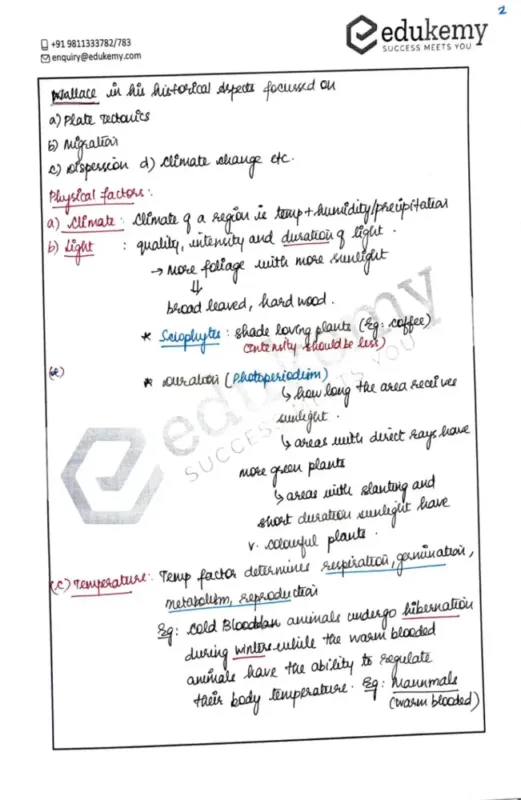
A: The notes are based on Shabbir Sir’s handwritten classroom teaching and have been converted into clean, high-resolution laser-printed booklets for the 2025-26 edition. You receive professionally printed booklets — not photocopied or handwritten pages — with sharp diagrams, legible text, and clear maps. This printed format ensures consistent quality across all 4 Booklets and makes the content significantly easier to read and annotate during UPSC Geography Optional revision compared to raw handwritten classroom notes or low-quality photocopies that circulate from older batches.
A: You can buy this 4-booklet set directly from our online store by clicking “Add to Cart” on this page and completing checkout. We accept all major payment methods including UPI, net banking, credit/debit cards, and pay-on-delivery for eligible pin codes. After your order is confirmed, the set is packed and dispatched from our Mukherjee Nagar, Delhi store within one business day. You will receive a tracking ID for your parcel and the Geography Optional booklets will be delivered to your address across India in 3–5 business days.
A: Yes — because the content covers the UPSC Geography Optional syllabus in full, these booklets are equally useful for BPSC, UPPSC, MPPSC, RAS, and other state PSC geography optional papers, which largely draw from the same national syllabus framework. The India geography section (Booklets 7–10) is especially relevant for state-level examinations that emphasize regional geography, agriculture, resources, and environmental issues of India. Aspirants preparing for multiple examinations simultaneously — UPSC along with a state PSC geography optional — will find this Edukemy set highly efficient for combined preparation.
A: If any of the 10 Geography Optional booklets arrives damaged, has printing defects, or is missing from your parcel, contact us immediately on WhatsApp at +91 70045 49563 with a photograph of the received package. We will verify and dispatch the replacement booklet within 48 hours at no additional cost. Our packaging process — individual shrink-wrap, corrugated box, foam edge protectors, and tamper-evident tape — minimizes transit damage, but in the rare event of an issue, our replacement policy ensures you are never without your complete UPSC Geography Optional study set for more than two days.
A: Yes — this listing is specifically for the 2025-26 edition of Shabbir Sir’s Edukemy Geography Optional printed notes, the latest genuine batch available as of the current academic year. The edition is clearly marked on each booklet’s cover. Updates in the 2025-26 batch include revised data on India’s economic geography, updated climate and environmental geography sections reflecting recent COP outcomes, and refreshed contemporary issues content in Booklet 10. If you wish to confirm stock availability or edition details before placing your order, reach us on WhatsApp at +91 70045 49563.
Summary
| Specification | Value |
|---|---|
| Booklets | 10 Printed Booklets — Paper I (6) + Paper II (4) |
| Language | English Medium |
| Paper | 75 GSM Ultra-White, Anti-Glare, Highlighter Safe |
| Binding | Spiral or Book Binding with 300 GSM Cover |
| Edition | 2025-26 — Latest Genuine Batch |
| Delivery | 3-5 Business Days Pan India — Tracked |
| Also Useful For | BPSC, UPPSC, MPPSC, RAS and all State PSC Geography Optional |
| WhatsApp Support | +91 70045 49563 |
Available exclusively at our UPSC Store, Mukherjee Nagar, Delhi — where aspirants have been buying UPSC study material for years. Buy online today and receive your Shabbir Sir Edukemy Geography Optional 2025-26 complete 4-booklet set with pan India delivery in 3-5 days.
Reference: UPSC official syllabus
Customer Reviews 228
All four booklets are meticulously prepared with in-depth geographical concepts and well-researched content. The material has proven invaluable for my UPSC preparation and I would strongly recommend it to anyone aiming for geography optional.
Printing quality badiya hai aur content bhi exam-focused.
Good quality booklets with structured content. Delivery was fast as well.
Shabbir Sir's booklets are game-changing for geography optional. Highly recommended!
Content is well-organized aur easy to understand. Bilkul sahi choice.
Quality acha hai aur price bhi reasonable, bilkul sahi deal.
Notes are helpful for geography optional. Packaging could be better.
Ye notes liye bina preparation incomplete rahegi.
Aspirants Also Bought
More from the same category
About Shabbir Sir Edukemy Geography Optional Notes 2025-26
Shabbir Sir Edukemy Geography Optional Notes 2025-26 is a highly recommended UPSC study material from Edukemy, specially designed for Geography Optional preparation. Available in English medium, this material is crafted to match the exact requirements of the UPSC Civil Services Examination syllabus — covering both Prelims and Mains comprehensively.
Product Details
- Institute: Edukemy
- Subject: Geography Optional
- Medium: English
- Format: Handwritten Notes
- Delivery: Pan-India delivery in 3–5 working days
- Format: Original printed material, verified authentic
Why Buy from UPSC Store?
- ✅ 100% Genuine Printed Material — Original printed notes, no photocopies or fake copies
- ✅ Fast Delivery — Ships within 24 hours, arrives in 3–5 days pan-India
- ✅ Secure Packaging — Bubble-wrapped and boxed to prevent damage in transit
- ✅ Trusted by 10,000+ Aspirants — India's most reliable UPSC material marketplace
- ✅ WhatsApp Support — Get expert guidance on material selection before ordering
Frequently Asked Questions
Yes, all products at UPSC Store are 100% genuine printed materials. We do not sell photocopies or fake copies.
Orders are dispatched within 24 hours and delivered across India in 3–5 working days via reputed courier partners.
Yes, we accept returns within 7 days if the product is damaged or incorrect. Check our refund policy for details.
We recommend pairing this with current affairs notes and a UPSC test series for comprehensive preparation. Browse more in Geography, Optional, UPSC.